

Natural Remedies Editorial Team
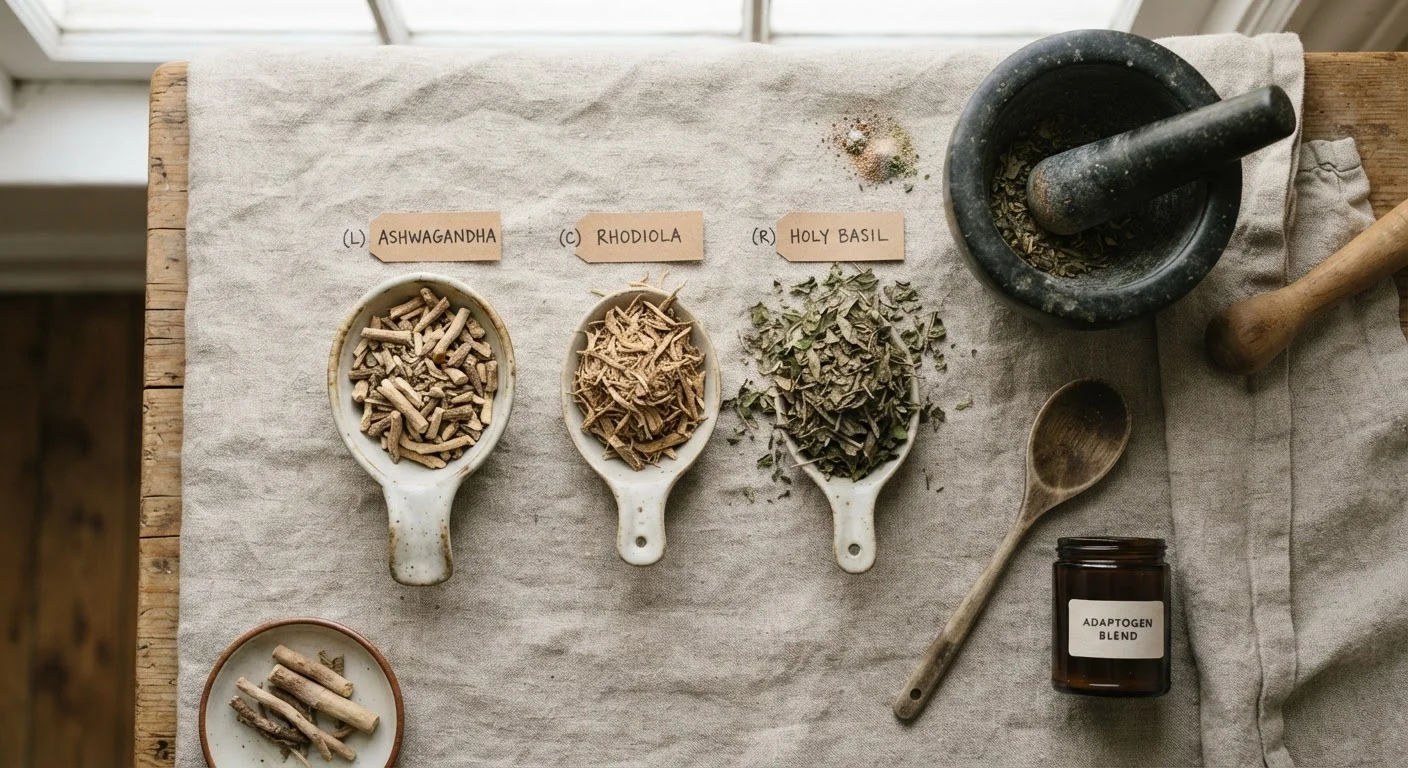
Adaptogens Explained: What They Are and How They Work in the Body
Adaptogens are herbs said to help the body handle stress. Here's what science and traditio…
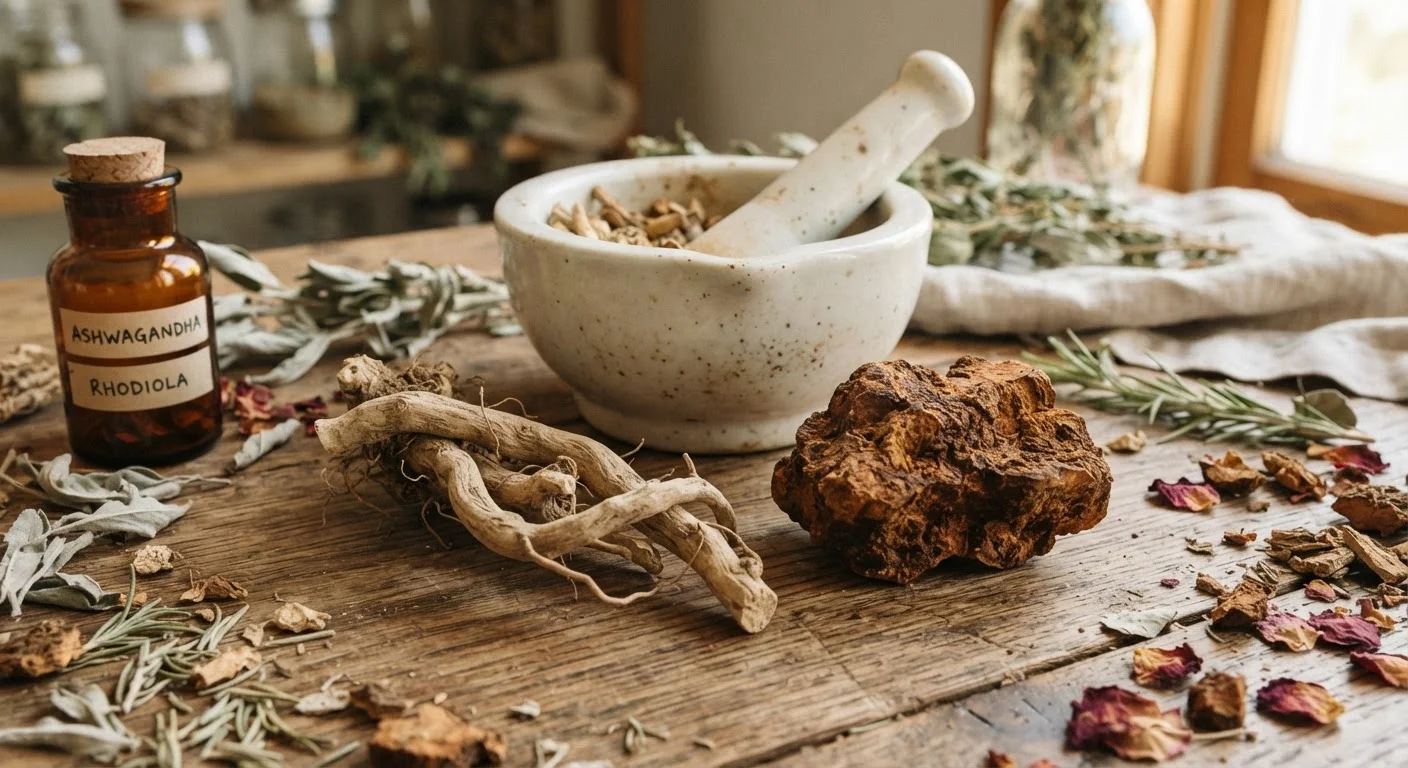
Ashwagandha vs Rhodiola: Two Stress-Support Herbs With Very Different Profiles
Ashwagandha and rhodiola are both used for stress and fatigue, but they work differently. …
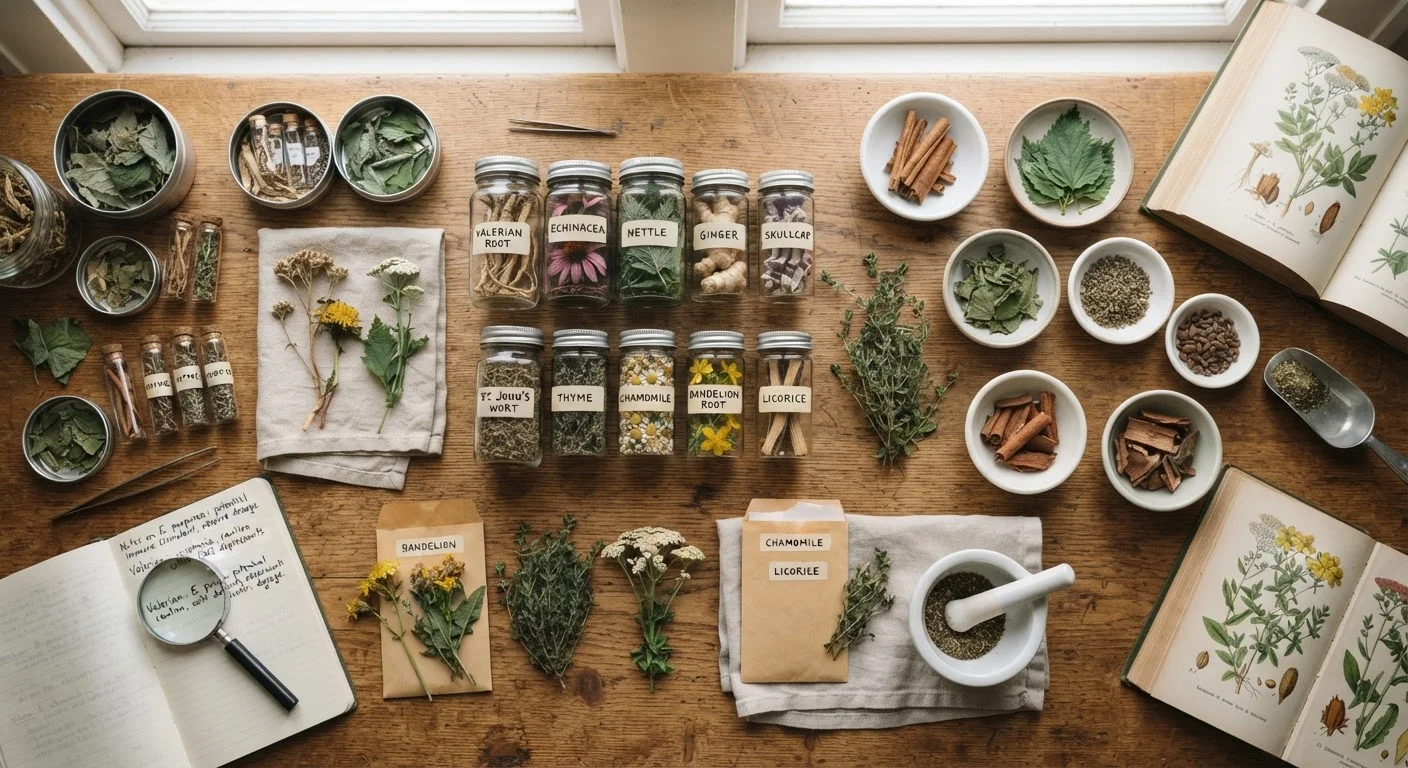
Assuming 'Natural' Means Safe: The Most Common Reasoning Error in Herbal Self-Care
The natural-equals-safe assumption leads to avoidable problems. Here are the specific erro…
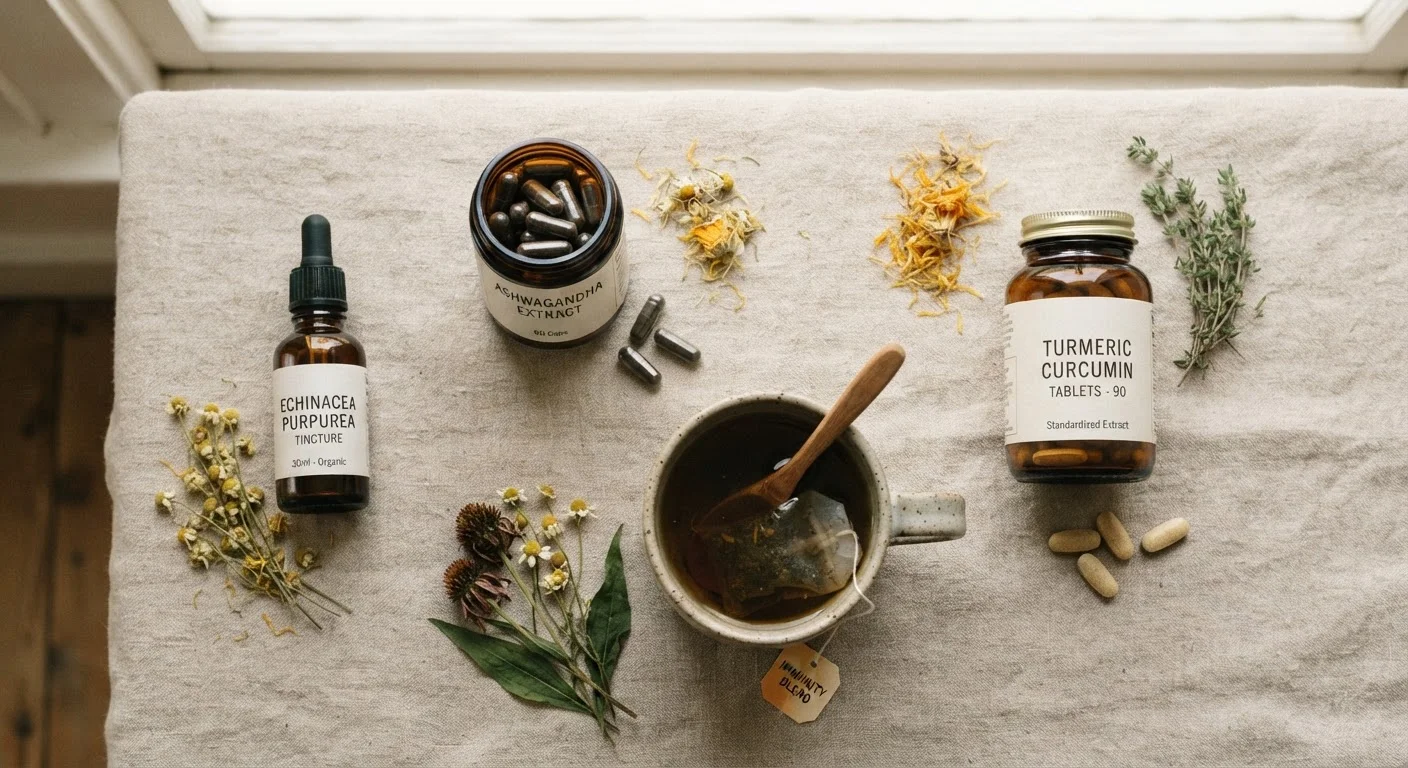
Forms of Herbal Supplements: Tinctures, Capsules, Teas, and Standardised Extracts Compared
The same herb sold as a tea, capsule, or tincture isn't necessarily equivalent. Here's wha…
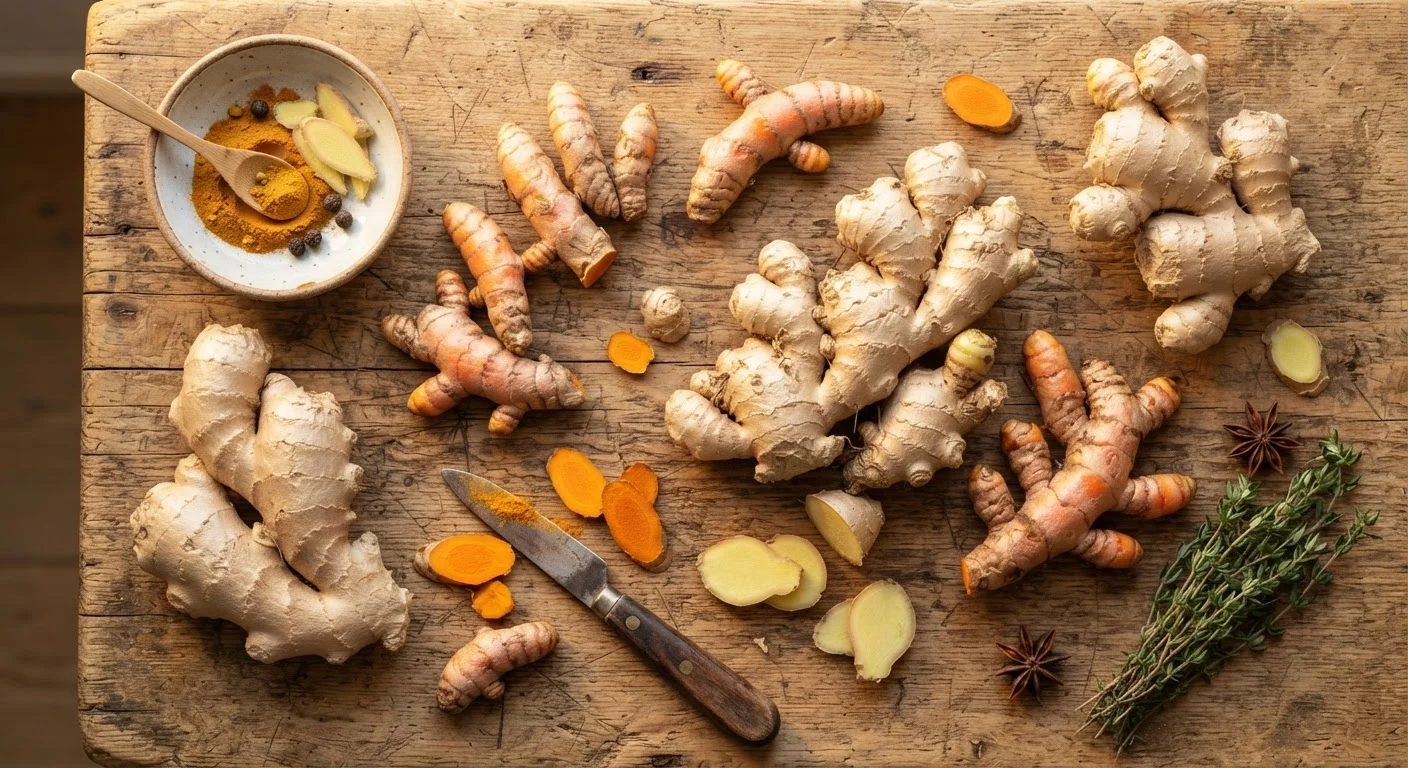
Ginger, Turmeric, and Inflammation: Separating the Evidence from the Hype
Both ginger and turmeric are popular for inflammation. We look at what clinical research s…

Herbal Medicine: A Full-Spectrum Guide from Traditional Roots to Modern Research
From ancient pharmacopeias to clinical trials, this authoritative guide covers the history…
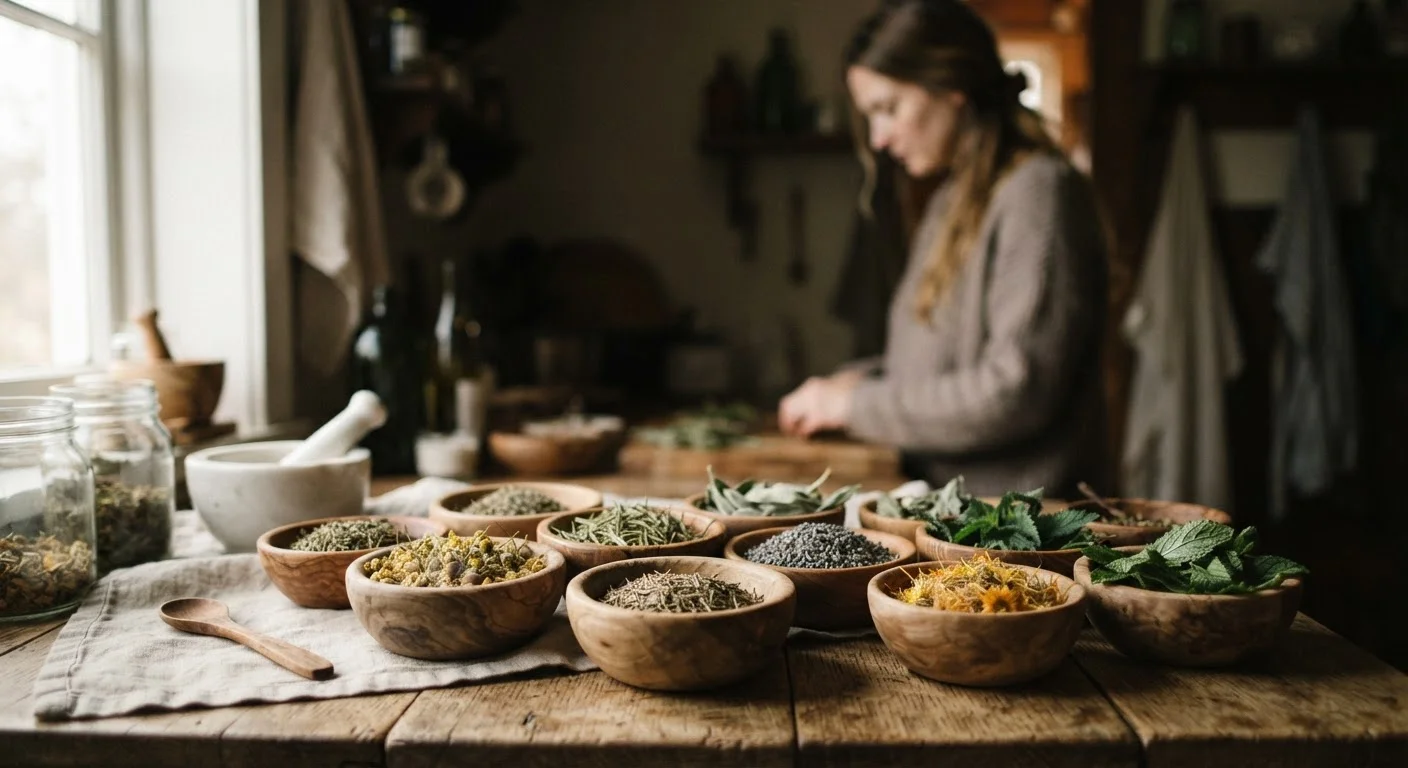
Herbal Remedies During Pregnancy: Why the Rules Are Different
Many herbs considered safe in general use carry specific risks during pregnancy. This arti…

Herbs with Meaningful Evidence Behind Them—and What That Evidence Actually Shows
Not all herbs are equally studied. This curated list examines herbs with credible research…
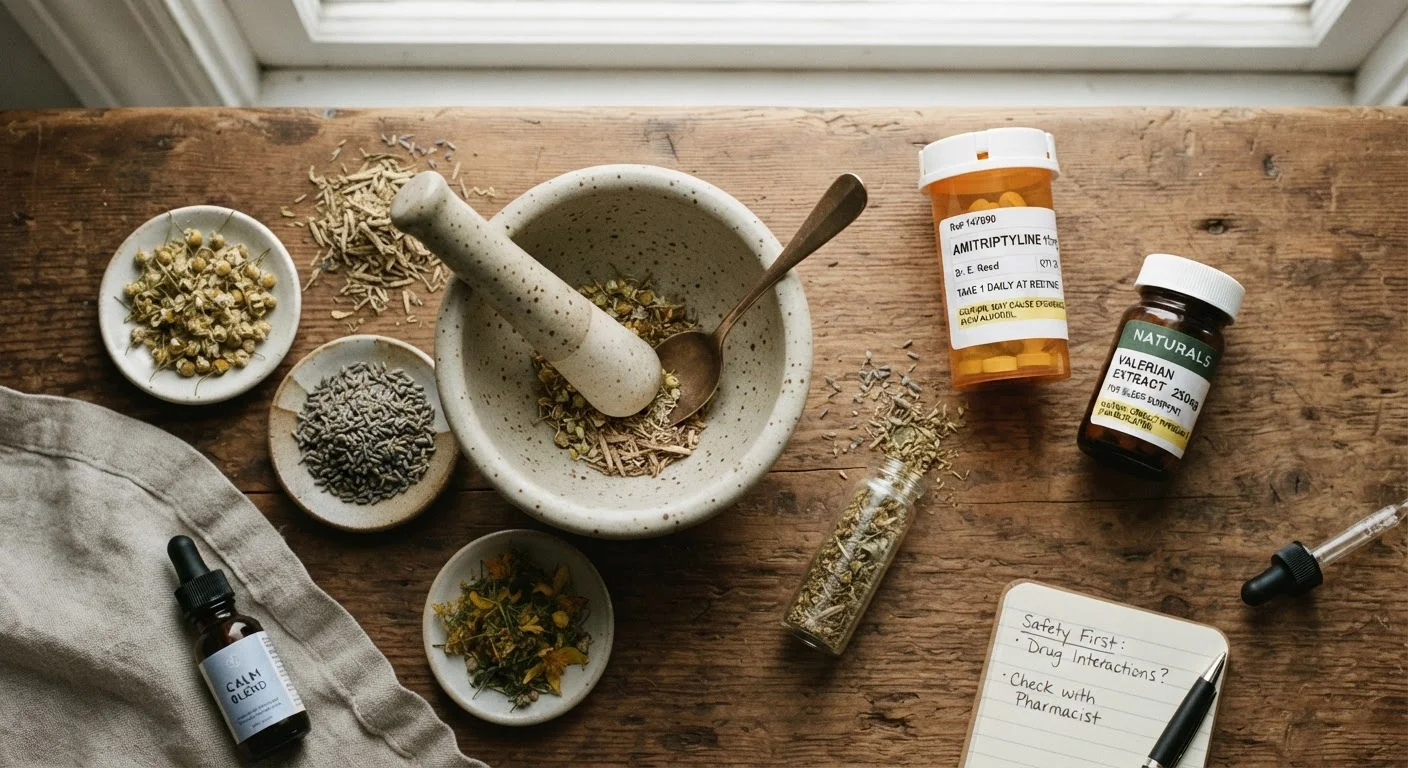
Herb–Drug Interactions: What You Need to Know Before Combining Both
Some herbs interact with prescription medications in ways that matter clinically. Here's a…
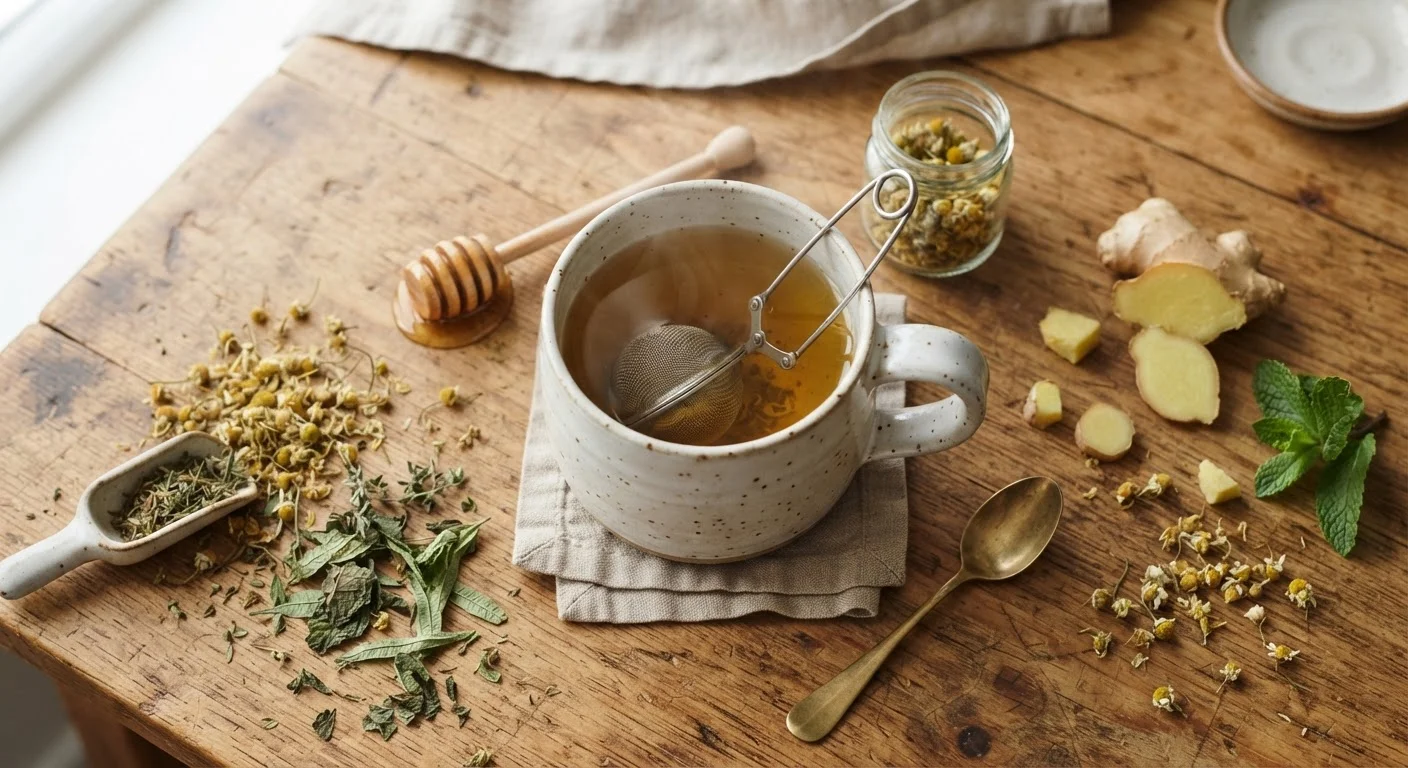
Making Herbal Teas and Infusions That Actually Deliver Their Benefits
The way you prepare an herbal tea affects how much you extract. Learn the correct steeping…
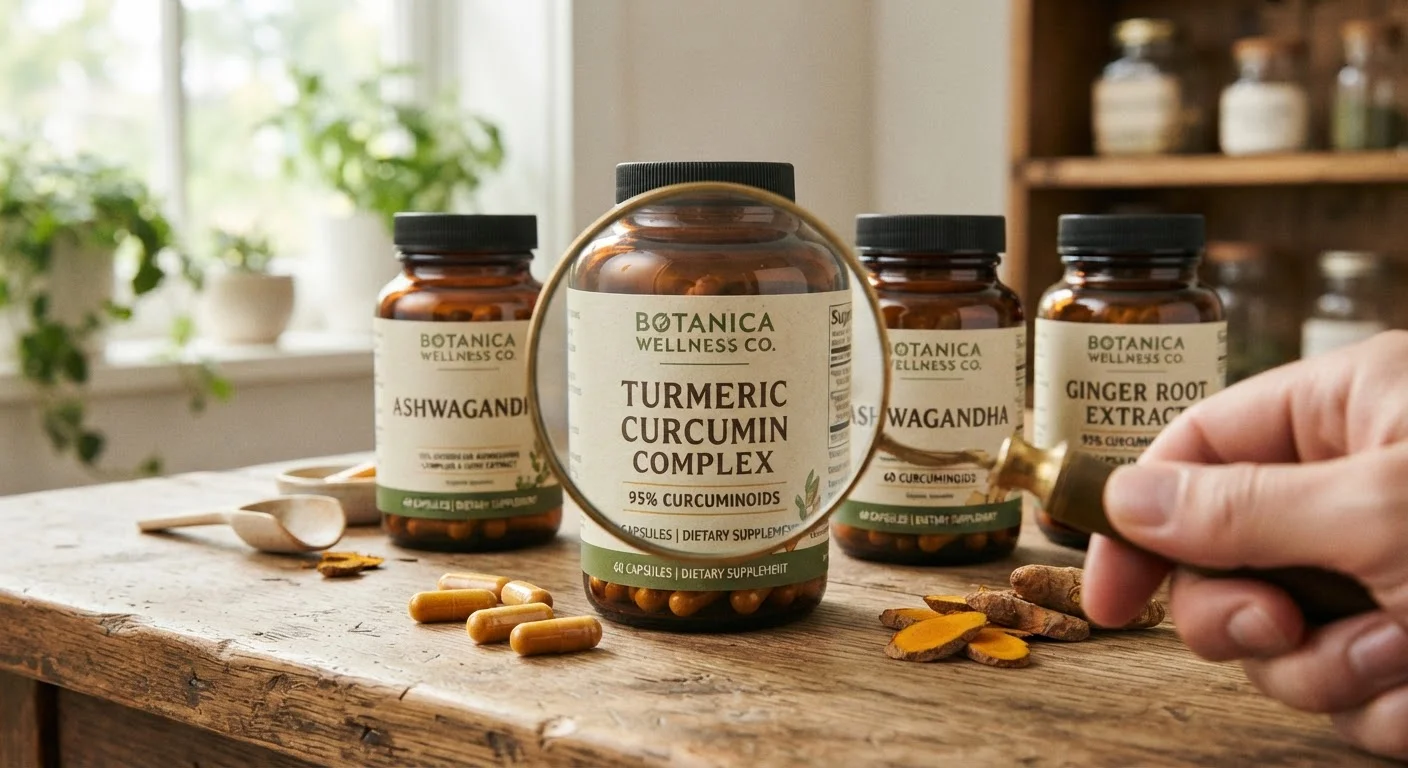
Sourcing and Reading Labels on Herbal Products: A Consumer Checklist
Before using any herbal supplement, these are the label elements and sourcing factors wort…
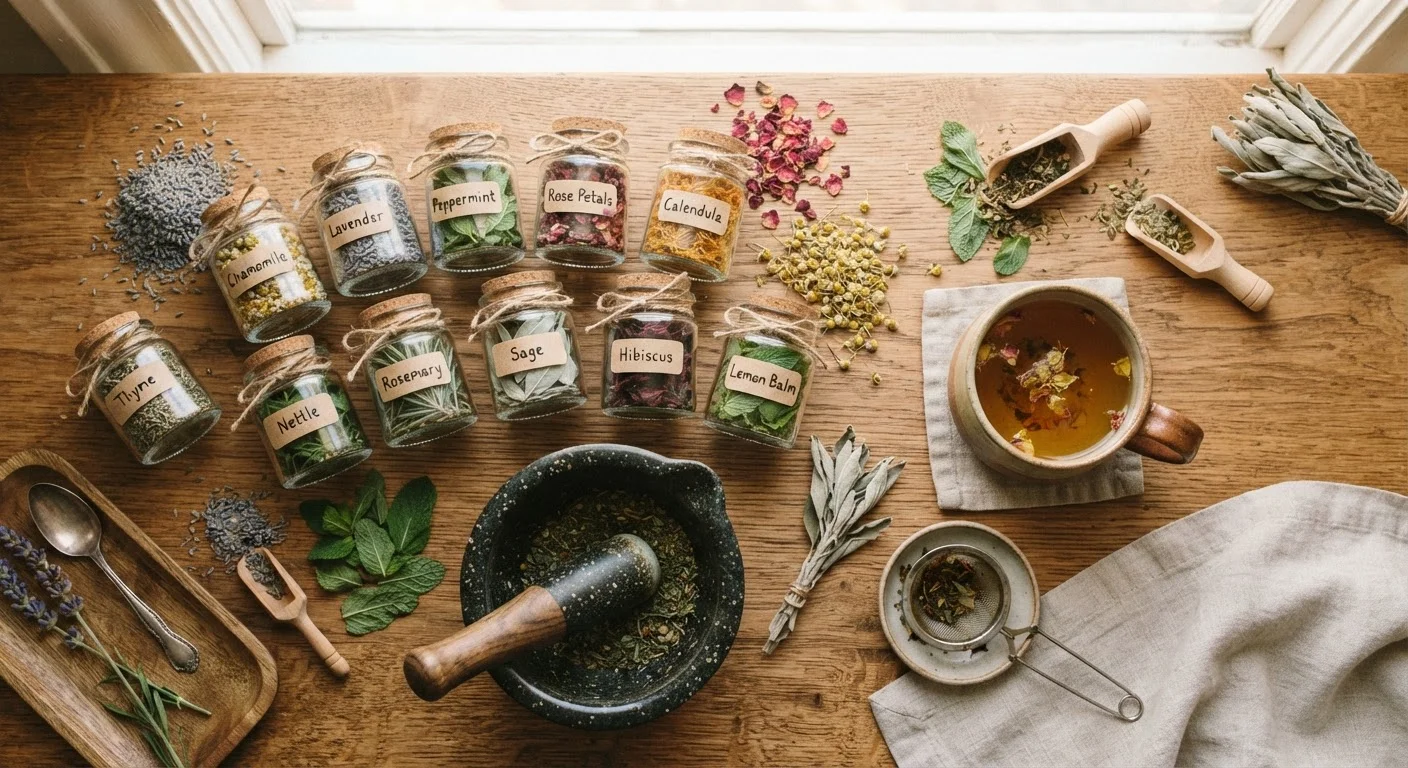
Starting with Herbal Remedies: What a New User Should Understand First
New to herbal remedies? This guide covers the basics: how herbs are categorised, how they'…
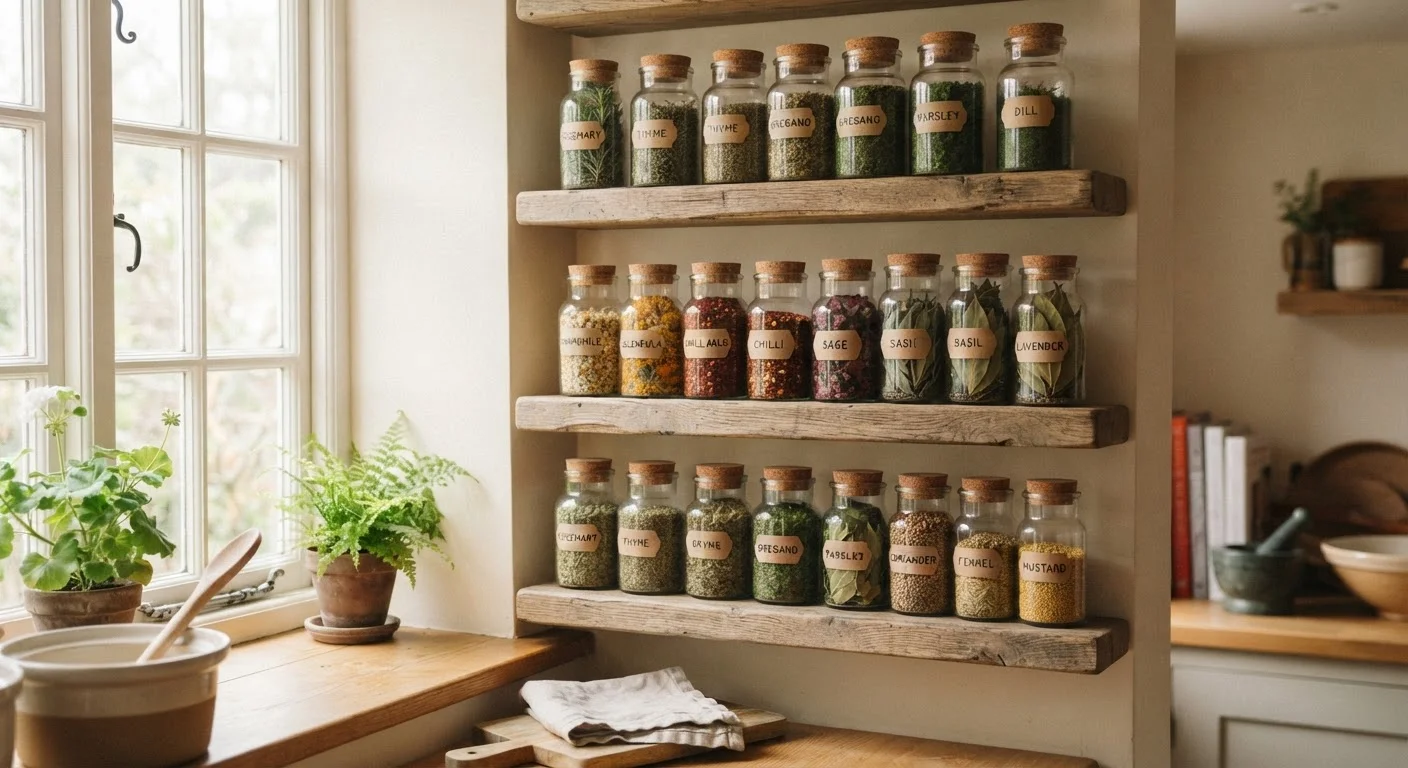
Storing Dried Herbs Without Losing Their Potency
Light, heat, and humidity degrade dried herbs faster than most people realise. Here's how …
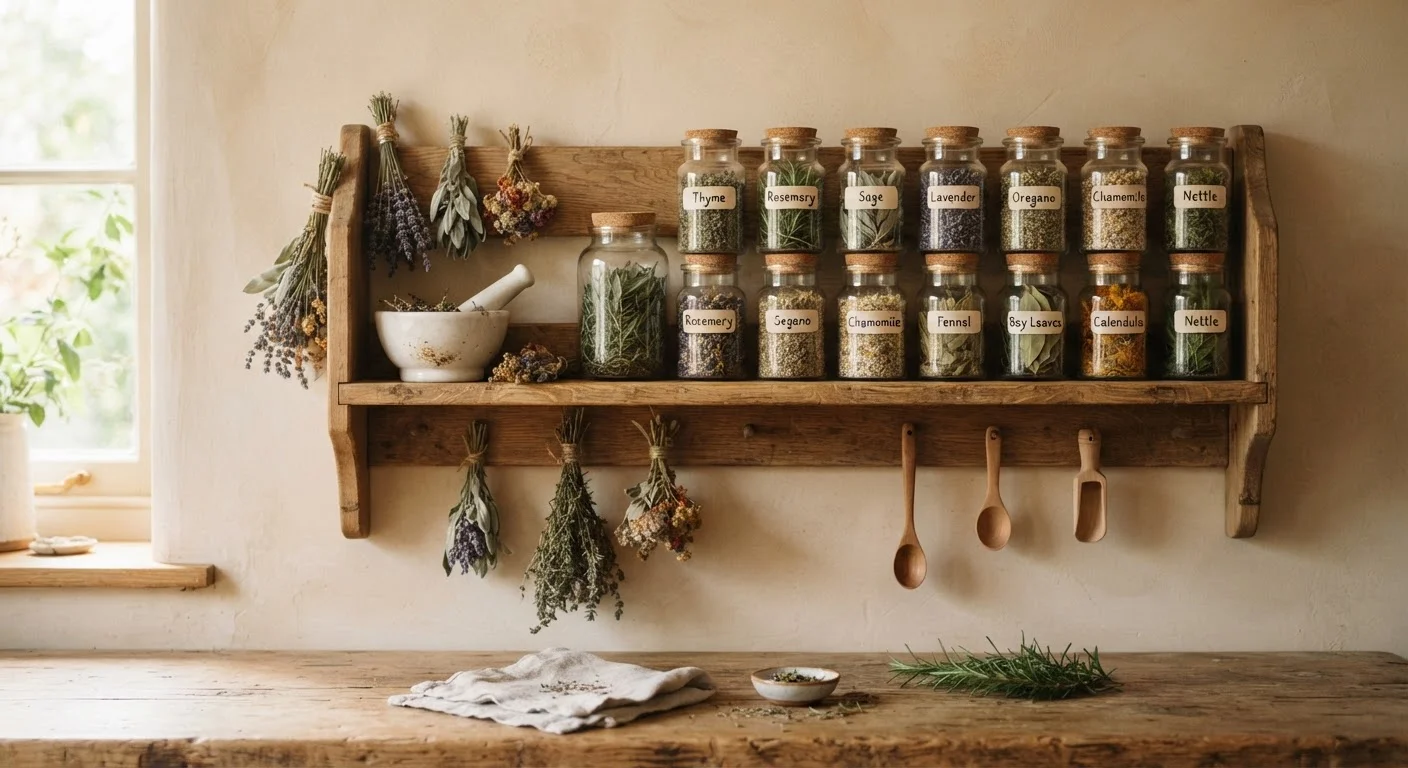
The Everyday Herb Cabinet: A Practical Reference for Common Herbal Remedies
A quick-reference guide to widely used herbs—their traditional uses, key active compounds,…
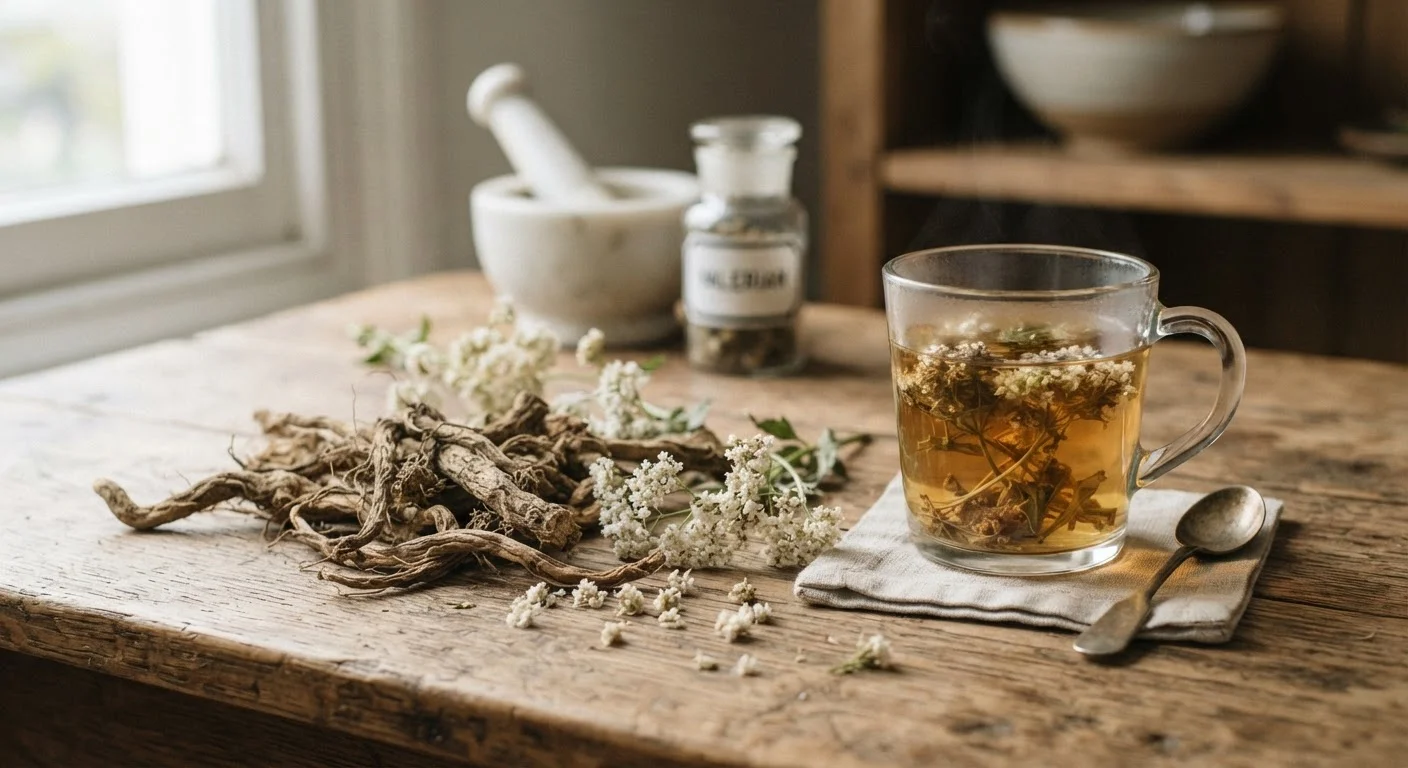
Valerian Root and Sleep: The Evidence, the Gaps, and the Practical Reality
Valerian is widely promoted for sleep. A balanced look at what studies show, what they don…

Why Echinacea Doesn't Work the Way Most People Think
Echinacea is one of the most purchased herbs for colds. The research behind it is more nua…
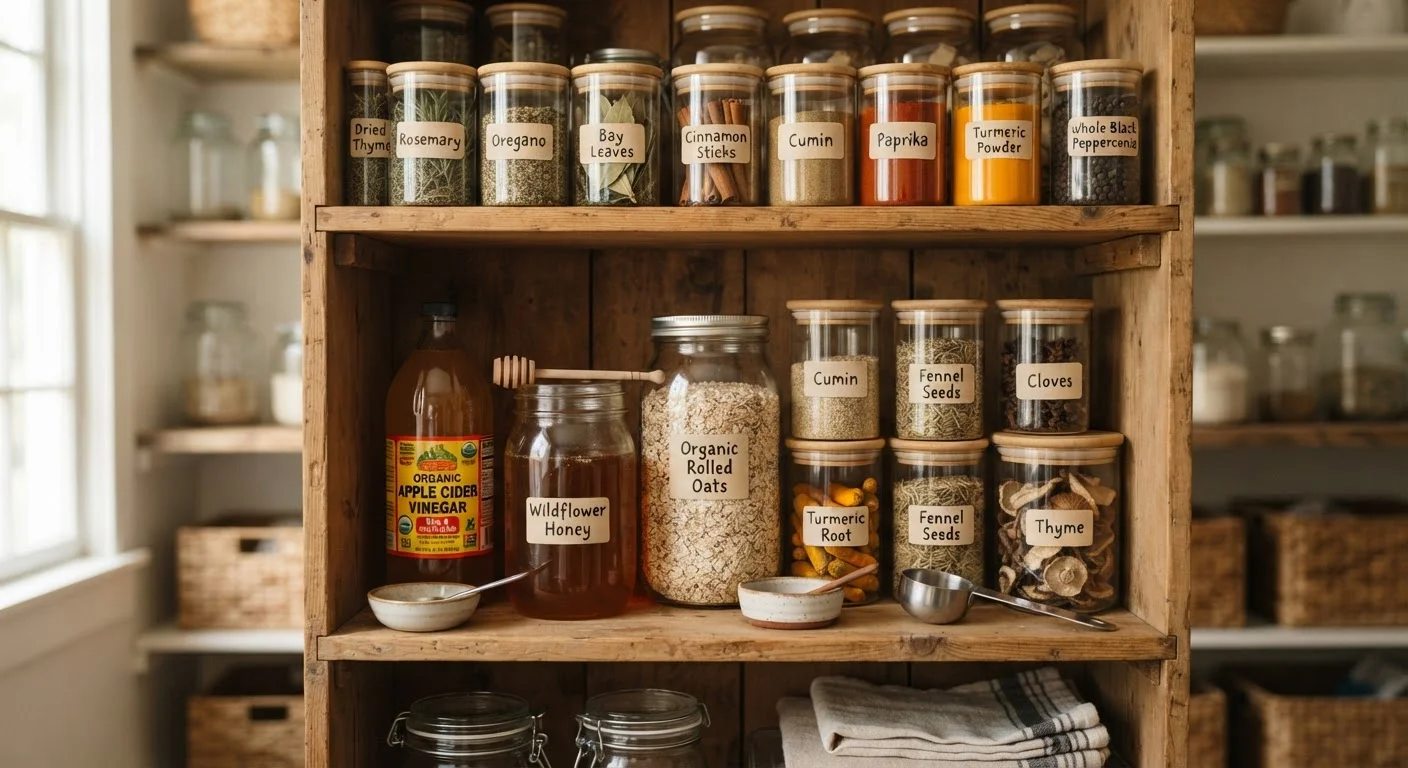
A Room-by-Room Look at Pantry Staples with Documented Wellness Uses
From the spice rack to the baking shelf, a guided tour of common kitchen ingredients and t…
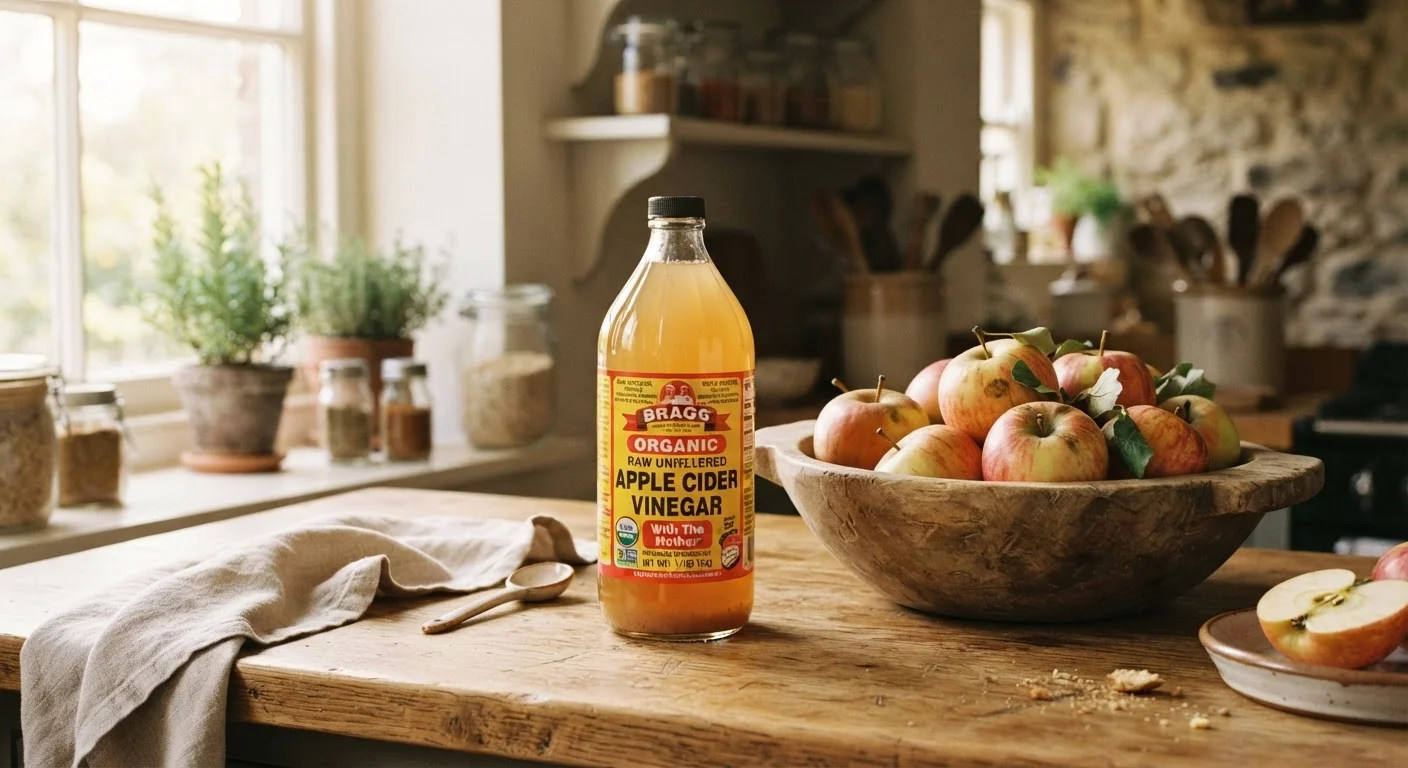
Apple Cider Vinegar: Separating Credible Uses from Overclaimed Ones
ACV has a long list of folk uses, but the evidence varies widely. This breakdown helps you…

Building a Wellness-Oriented Pantry Without Overcomplicating Your Kitchen
You don't need a specialty store to stock useful remedies. A grounded guide to the versati…
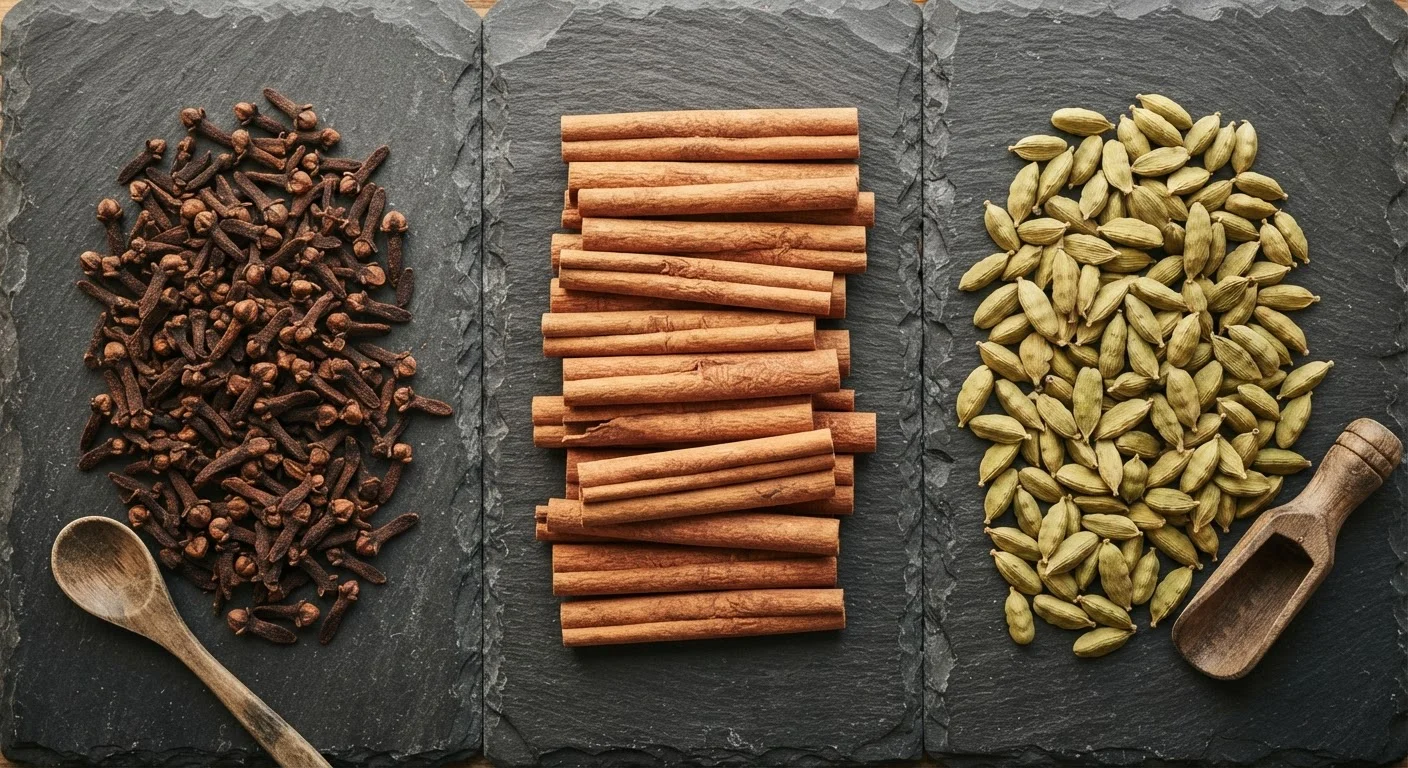
Cloves, Cinnamon, and Cardamom: What Distinguishes Their Health Profiles
Three warming spices often used interchangeably, but each has a distinct set of studied pr…
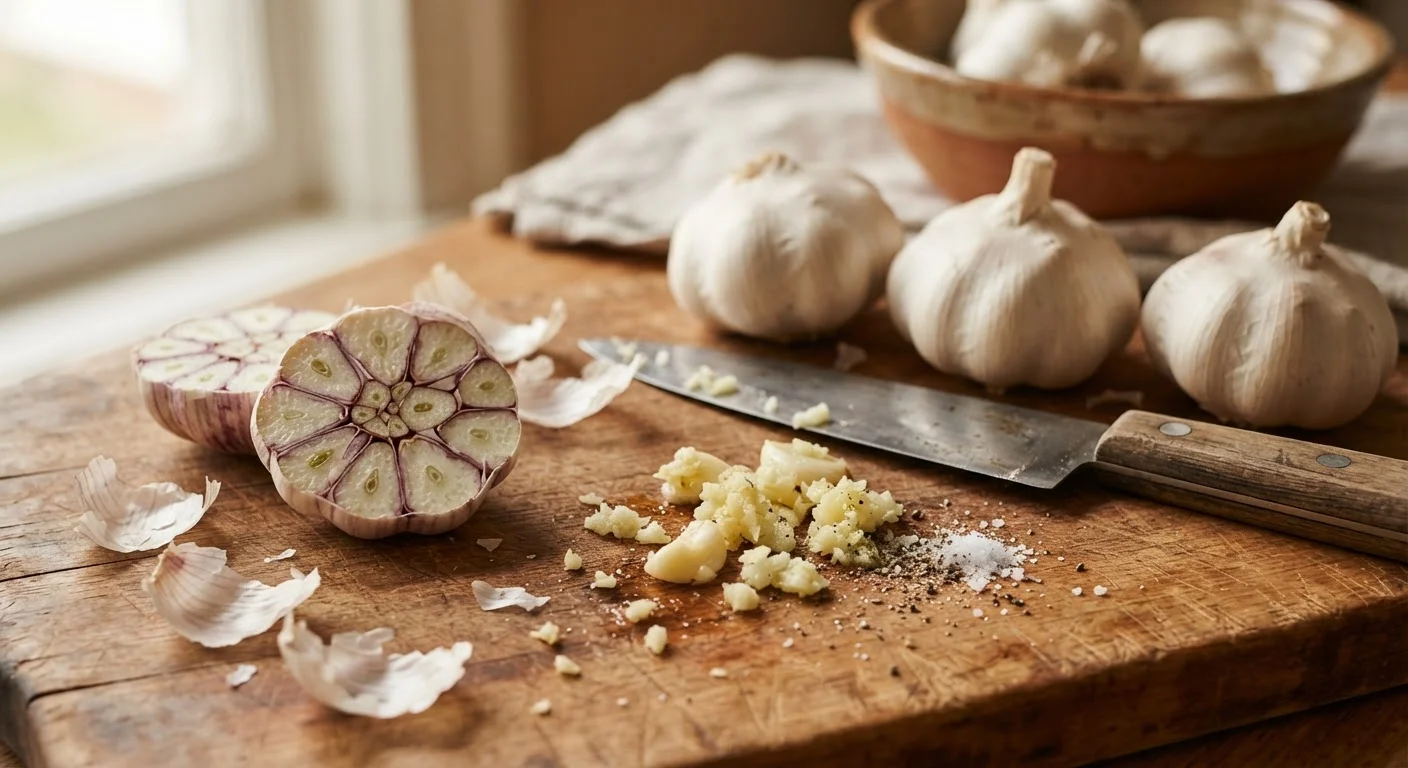
Garlic as an Antimicrobial: How Allicin Works and What That Means in Practice
Allicin, garlic's active compound, has genuine antimicrobial properties—but cooking, dosag…
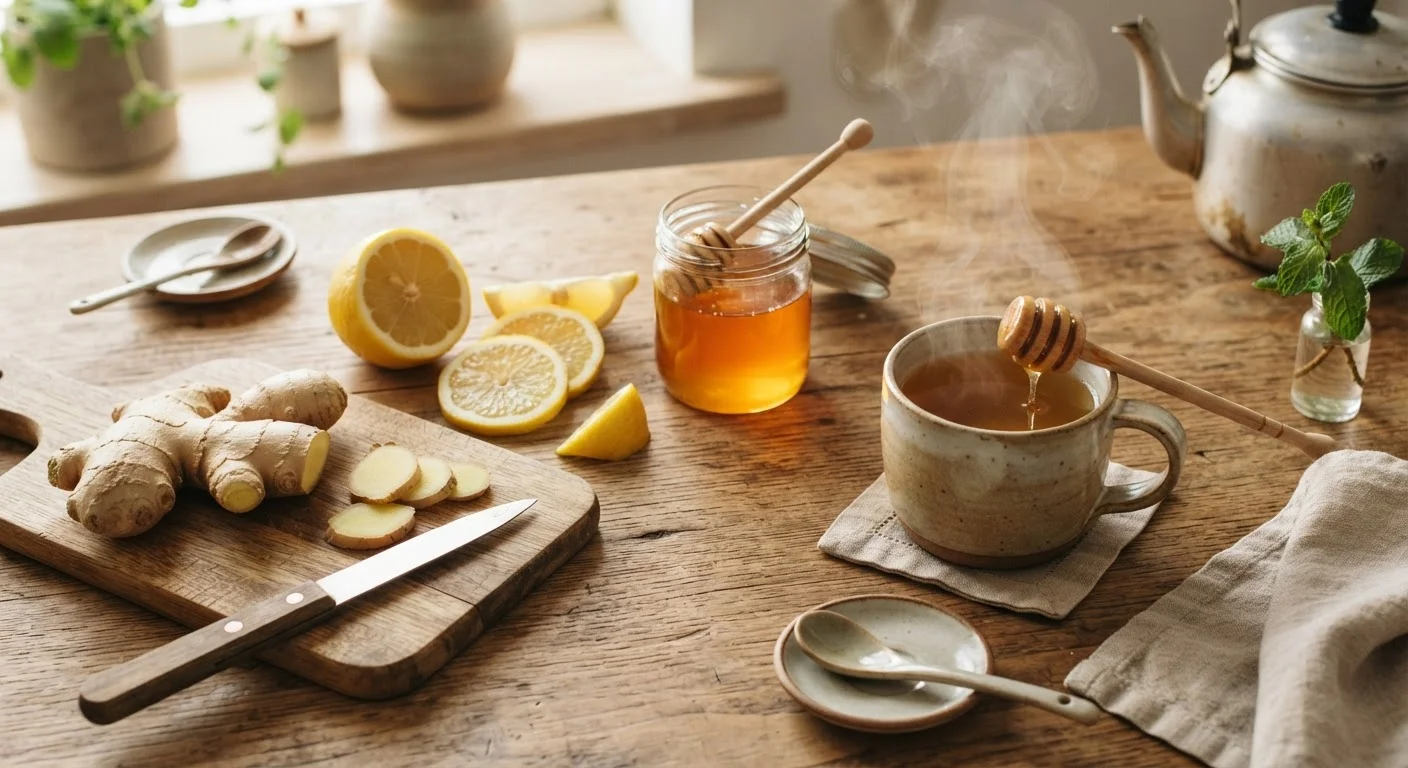
Honey, Lemon, and Ginger: Mapping the Roles Each Plays in a Sore Throat Remedy
This classic trio is a kitchen staple for a reason. Understand what each ingredient contri…
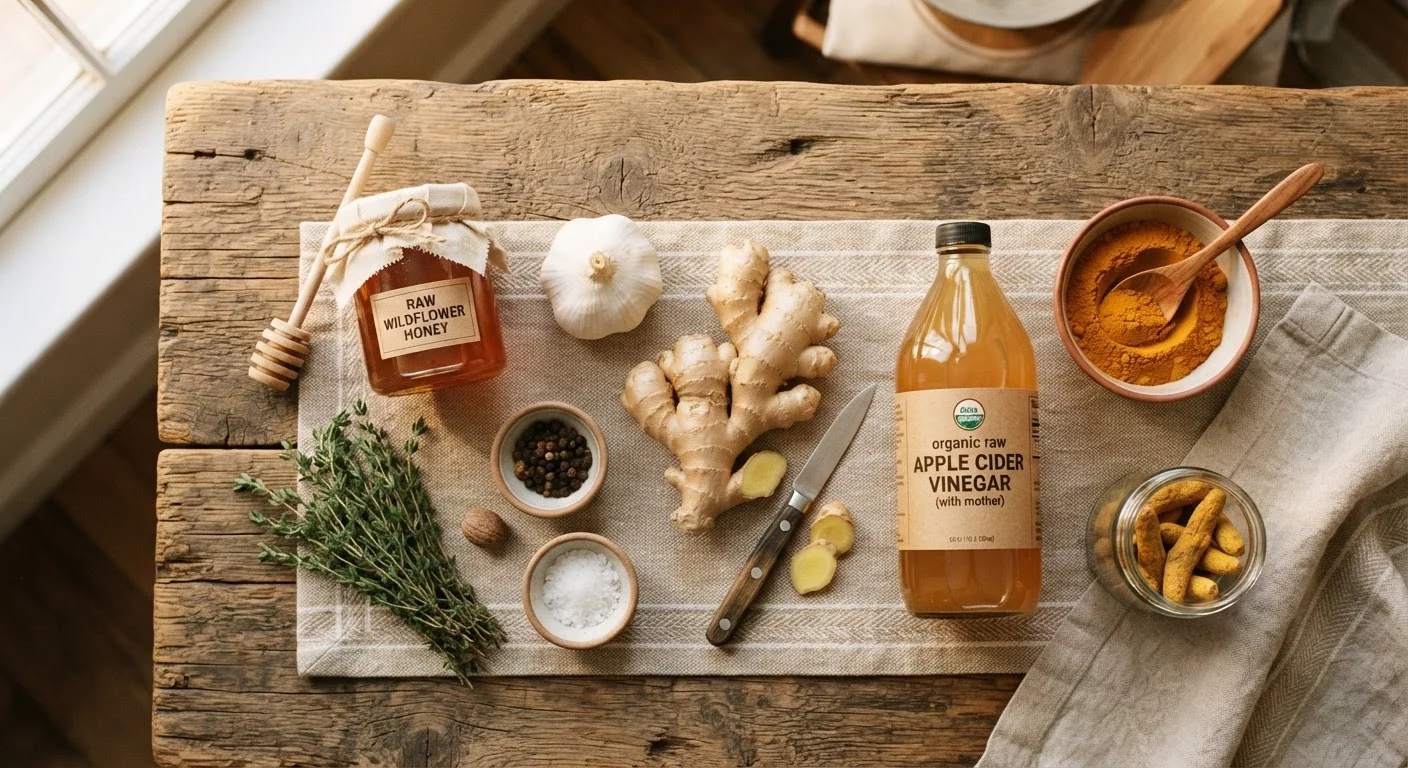
Kitchen Remedies for Minor Ailments: A Complete Reference Glossary
A structured lookup guide pairing common pantry ingredients with the minor complaints they…
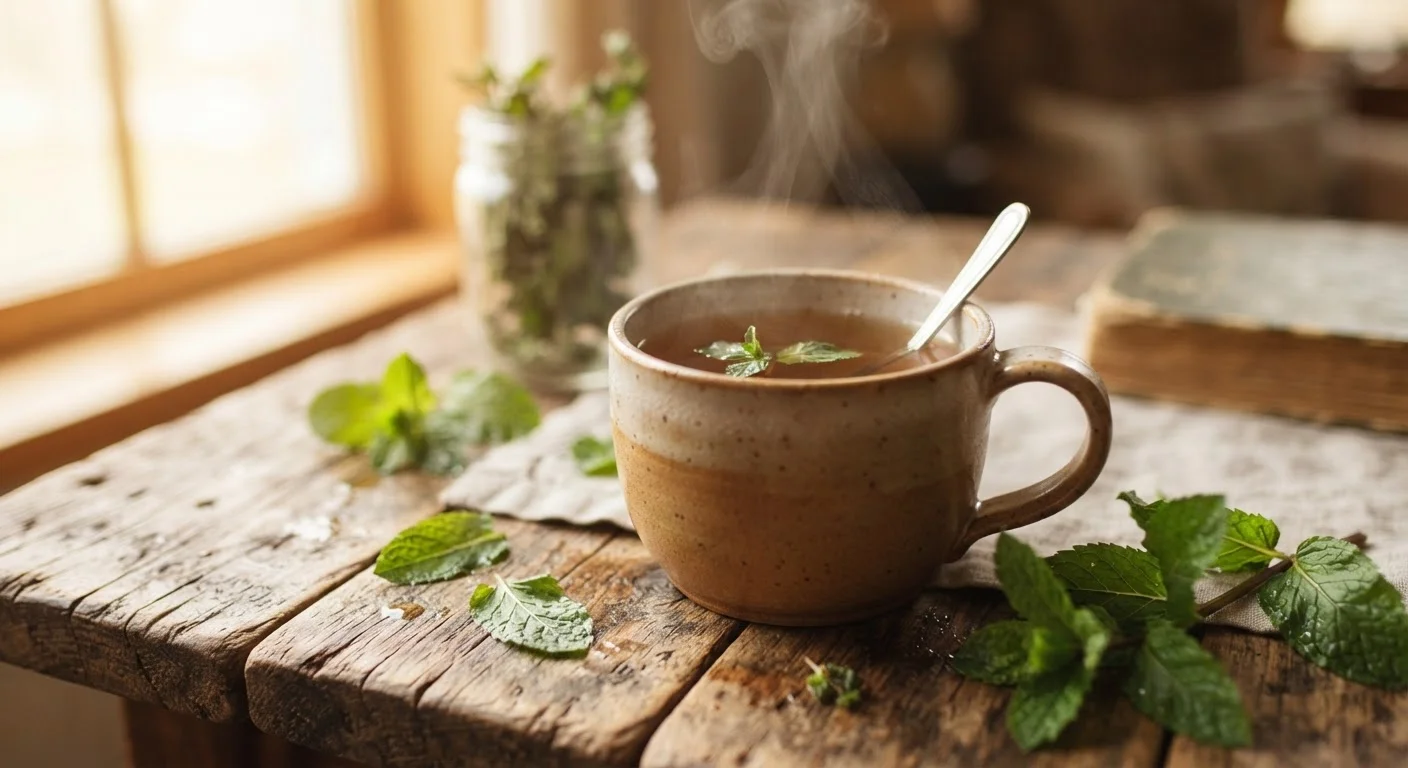
Peppermint's Dual Role: When It Calms Digestion and When It Complicates Things
Peppermint tea soothes some people and worsens symptoms in others. Understanding who benef…
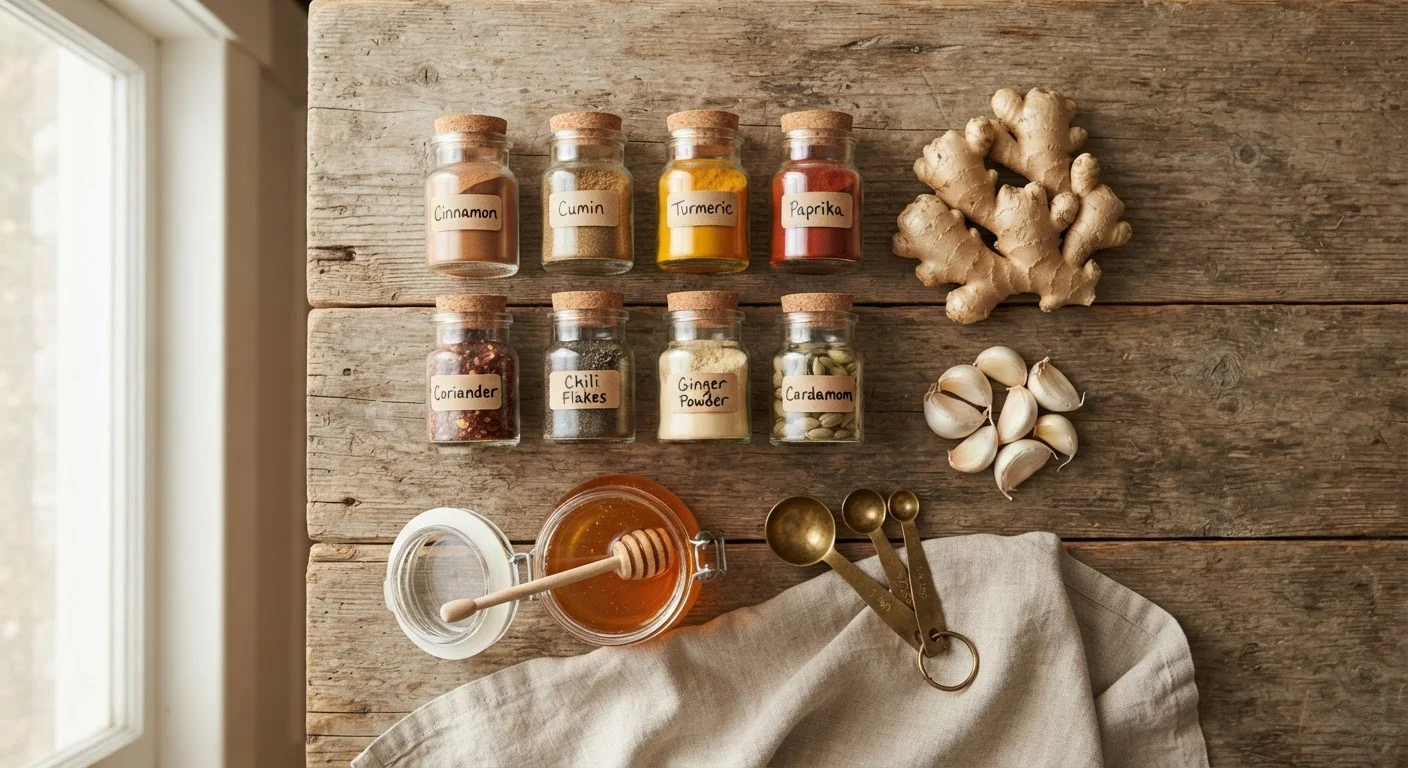
Preparing Kitchen Remedies Safely: Principles Every Home Cook Should Know
Concentrations, interactions, and storage matter more than most recipes suggest. A practic…
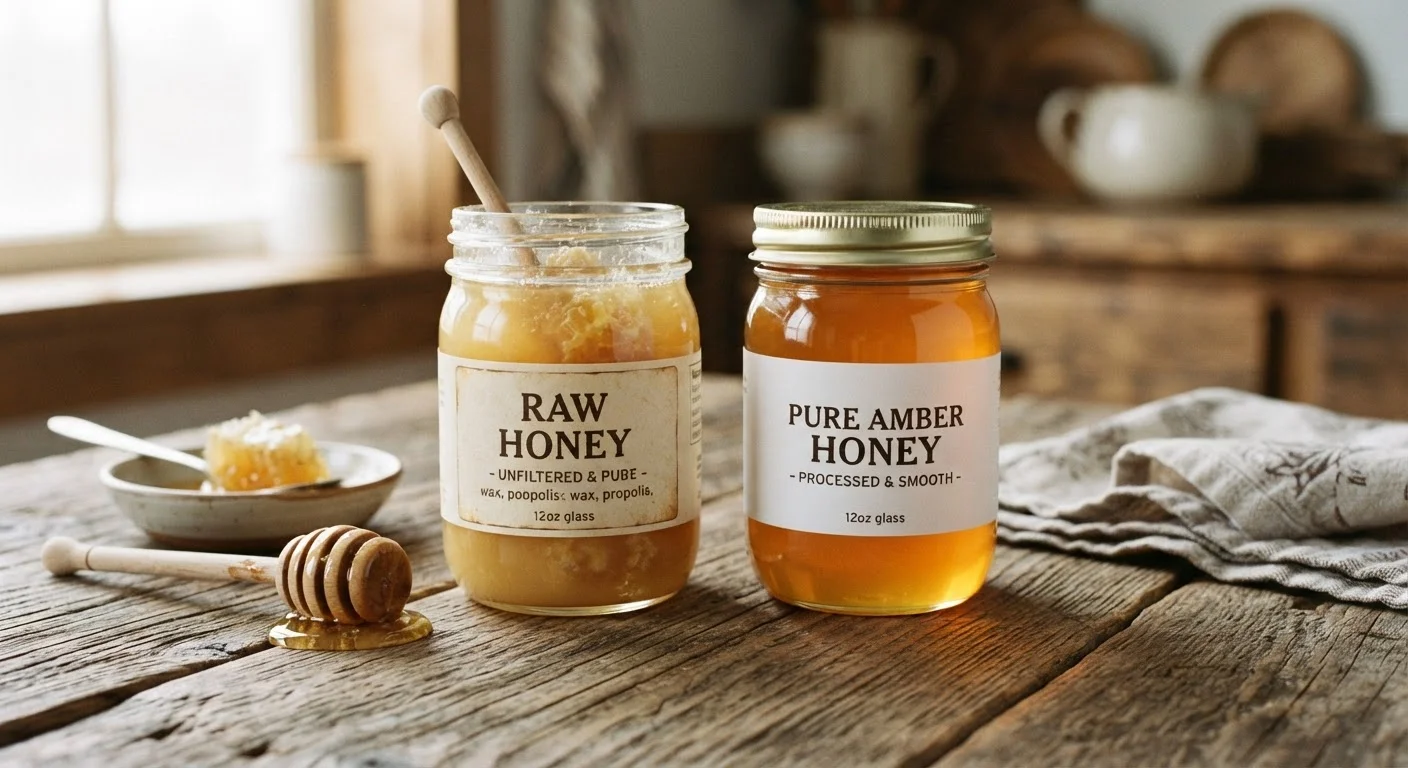
Raw Honey vs. Processed Honey for Wellness Purposes
Does processing change honey's useful properties? A clear comparison of what raw and comme…
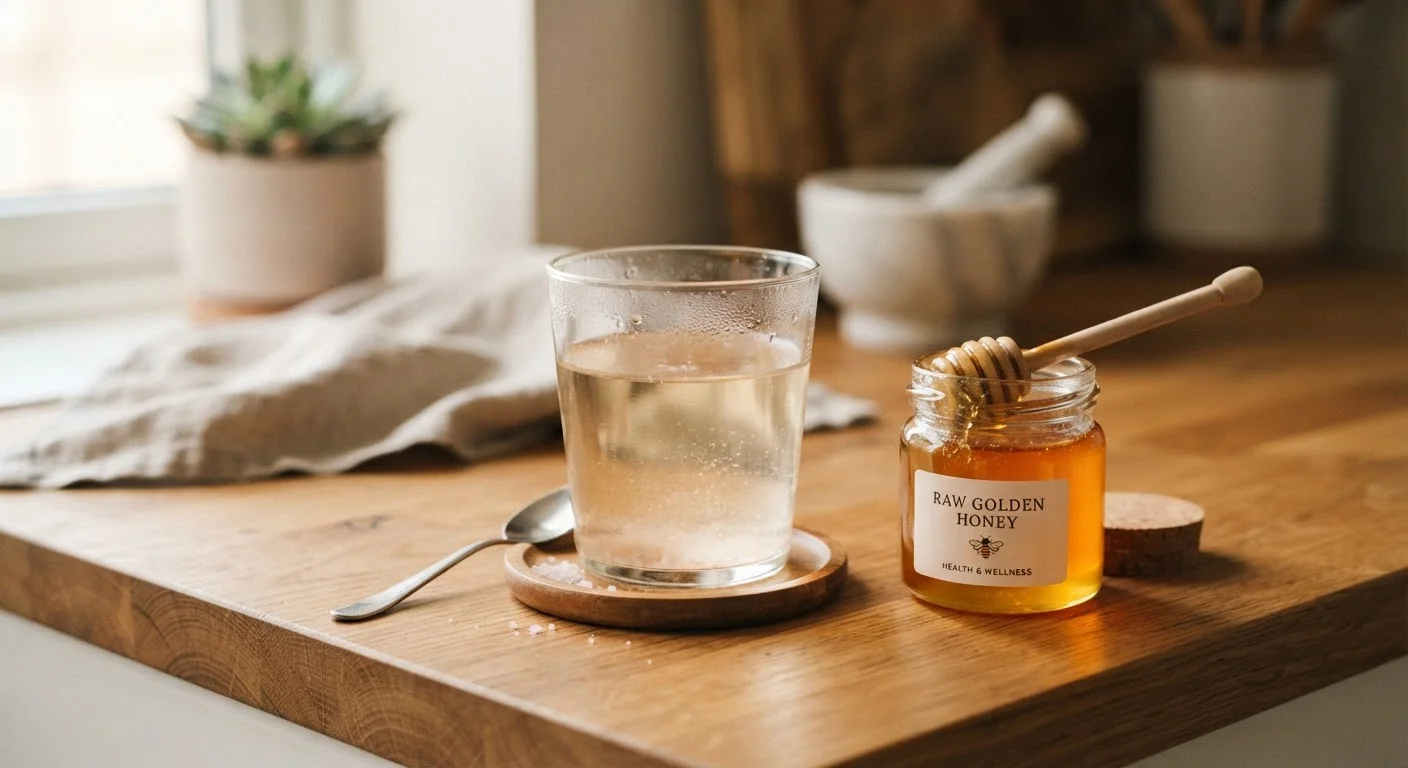
Salt Water Gargle vs. Honey Rinse for Throat Irritation
Two simple remedies, two different mechanisms. See how a salt gargle and a honey rinse com…
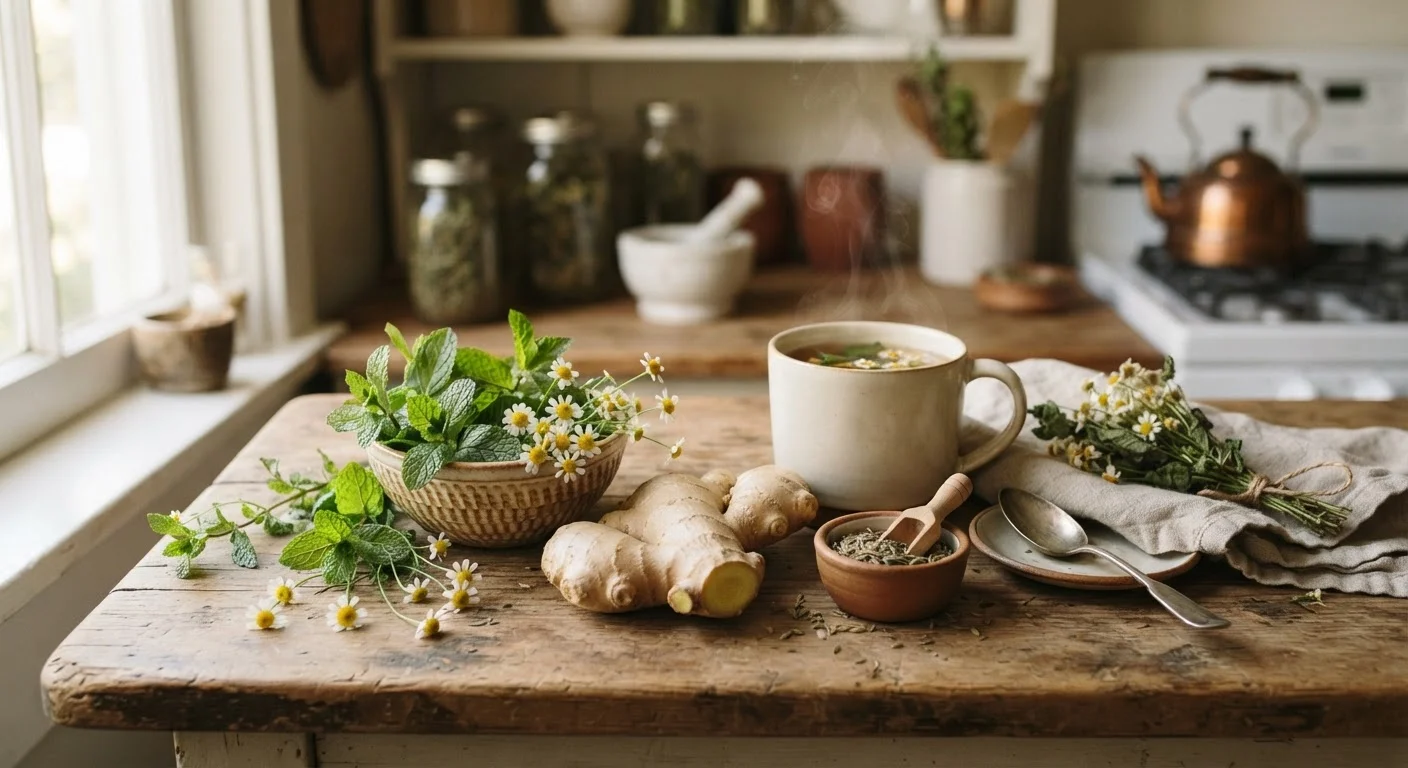
The Basics of Digestive Discomfort and Which Kitchen Ingredients Might Help
Bloating, indigestion, and mild cramping have different causes. Understand the mechanics b…
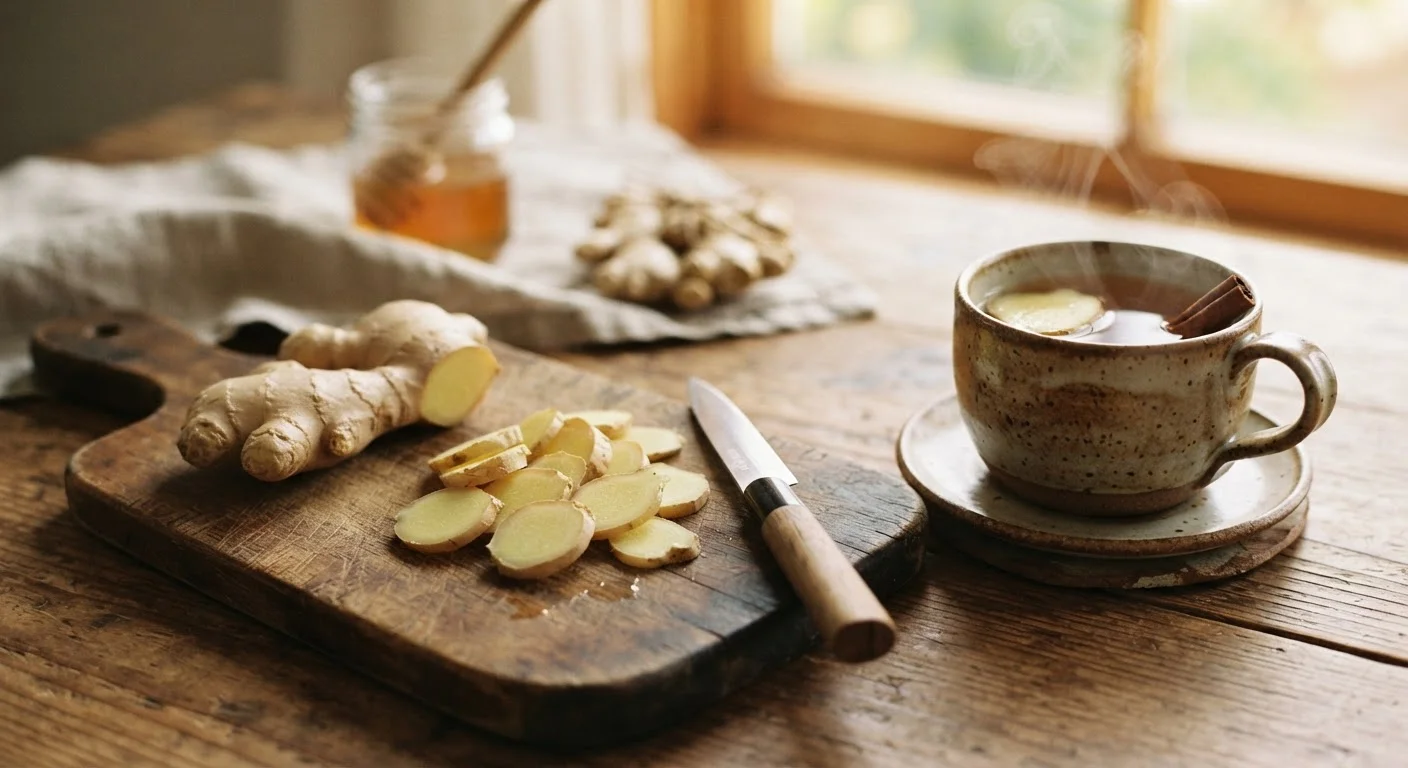
The Science Behind Ginger's Reputation as a Stomach Soother
Why does ginger ease nausea? Explore the compounds, research, and limitations behind one o…
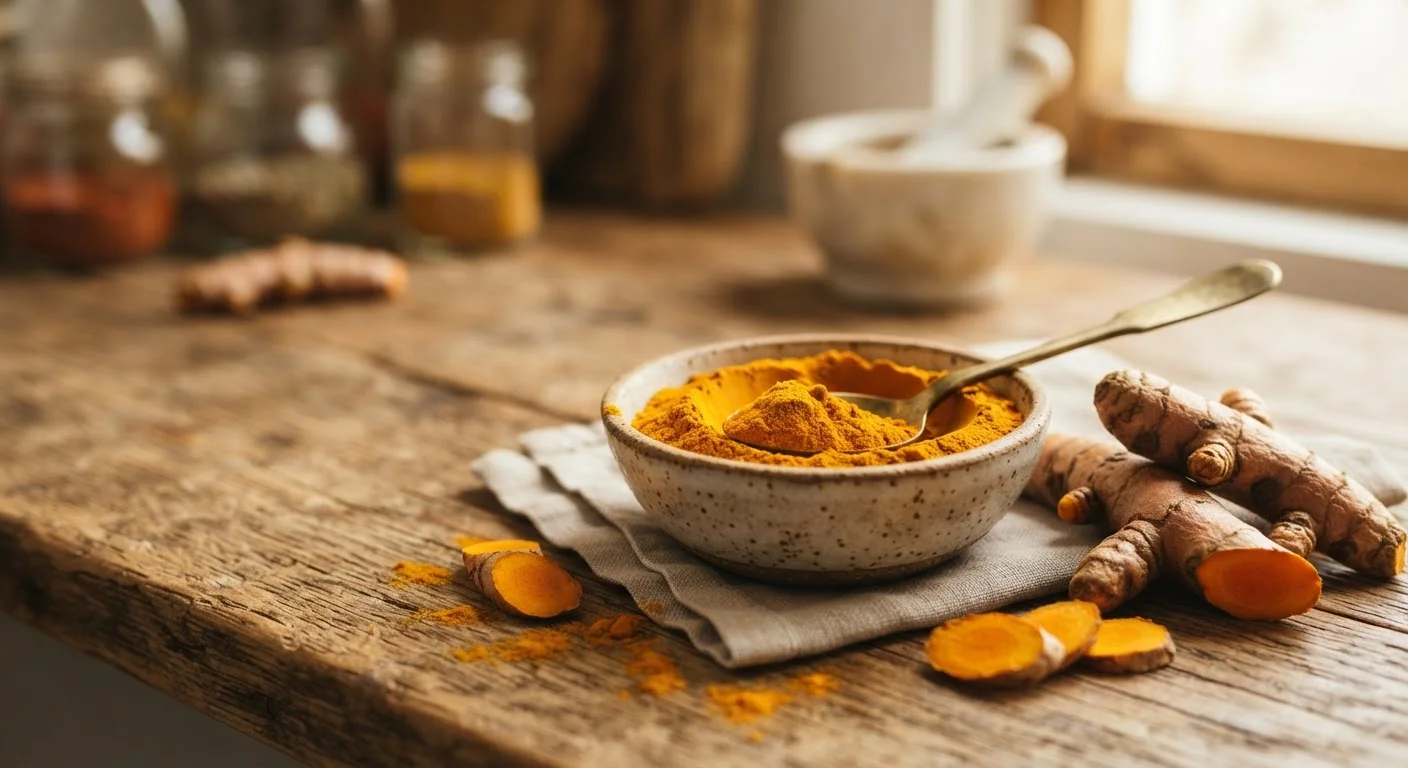
Turmeric in Your Pantry: What the Research Actually Says
Turmeric is praised for everything from joint support to digestion. Here's an honest look …
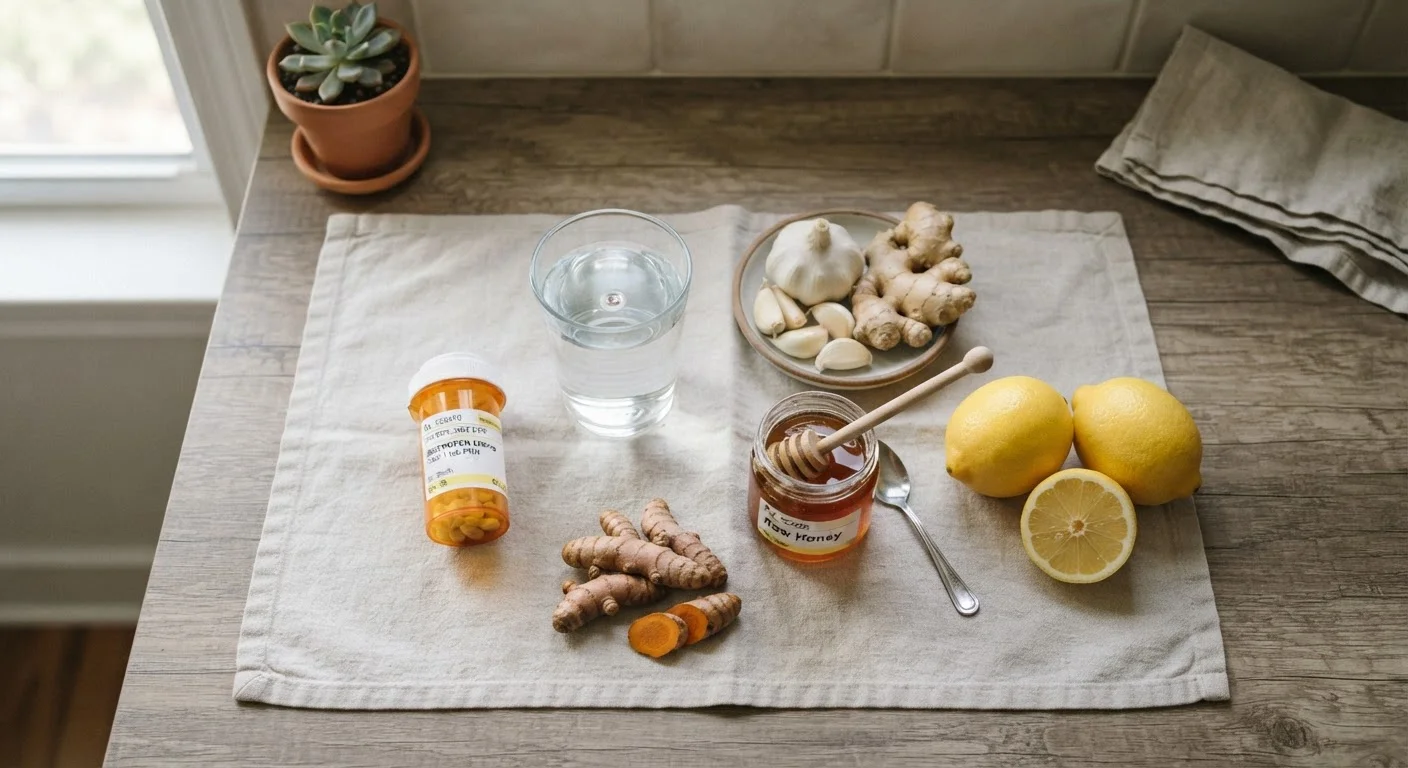
Using Kitchen Remedies Alongside Conventional Care: A Compatibility Guide
Natural doesn't always mean harmless when combined with medication or treatment. Know when…
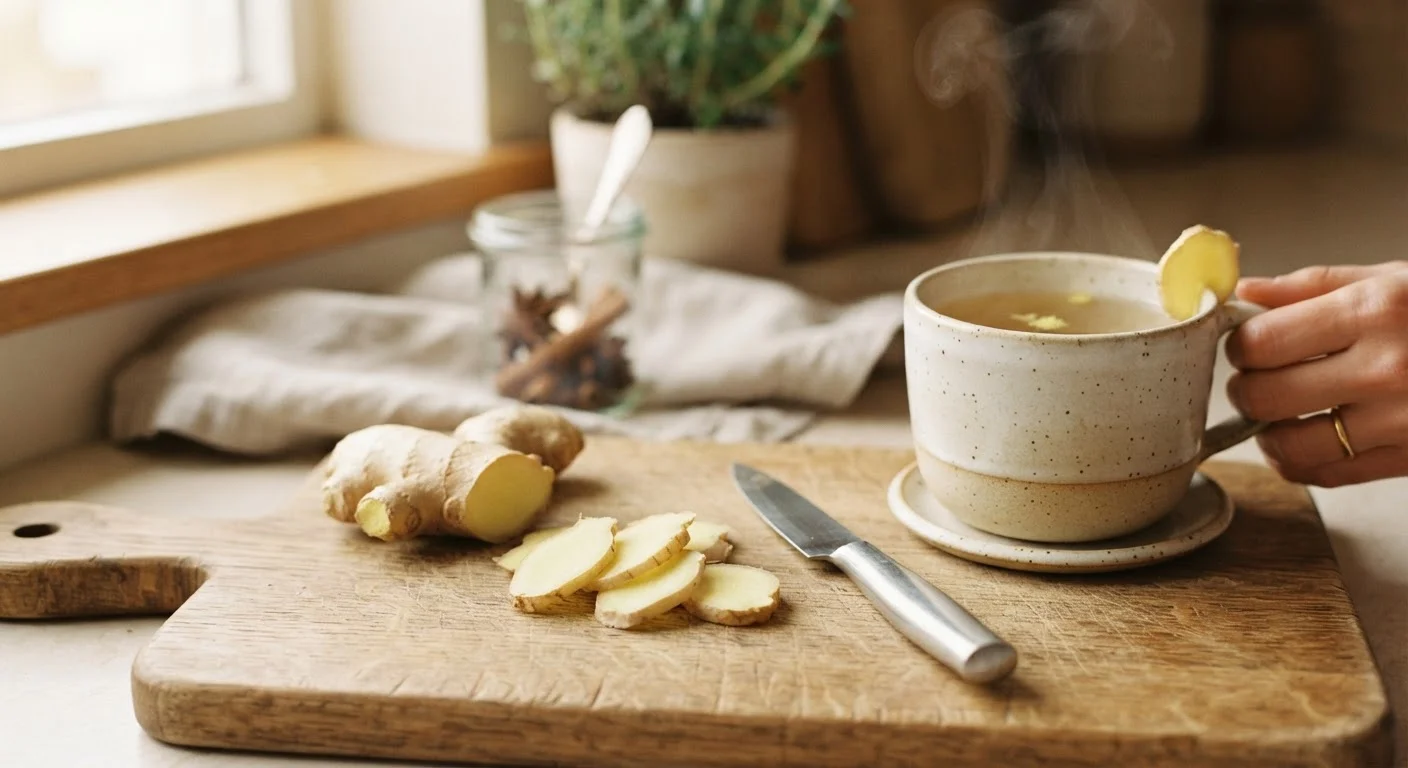
Why Your Ginger Tea Might Not Be as Potent as You Think
Steeping time, water temperature, and ginger quantity all affect what ends up in your cup.…
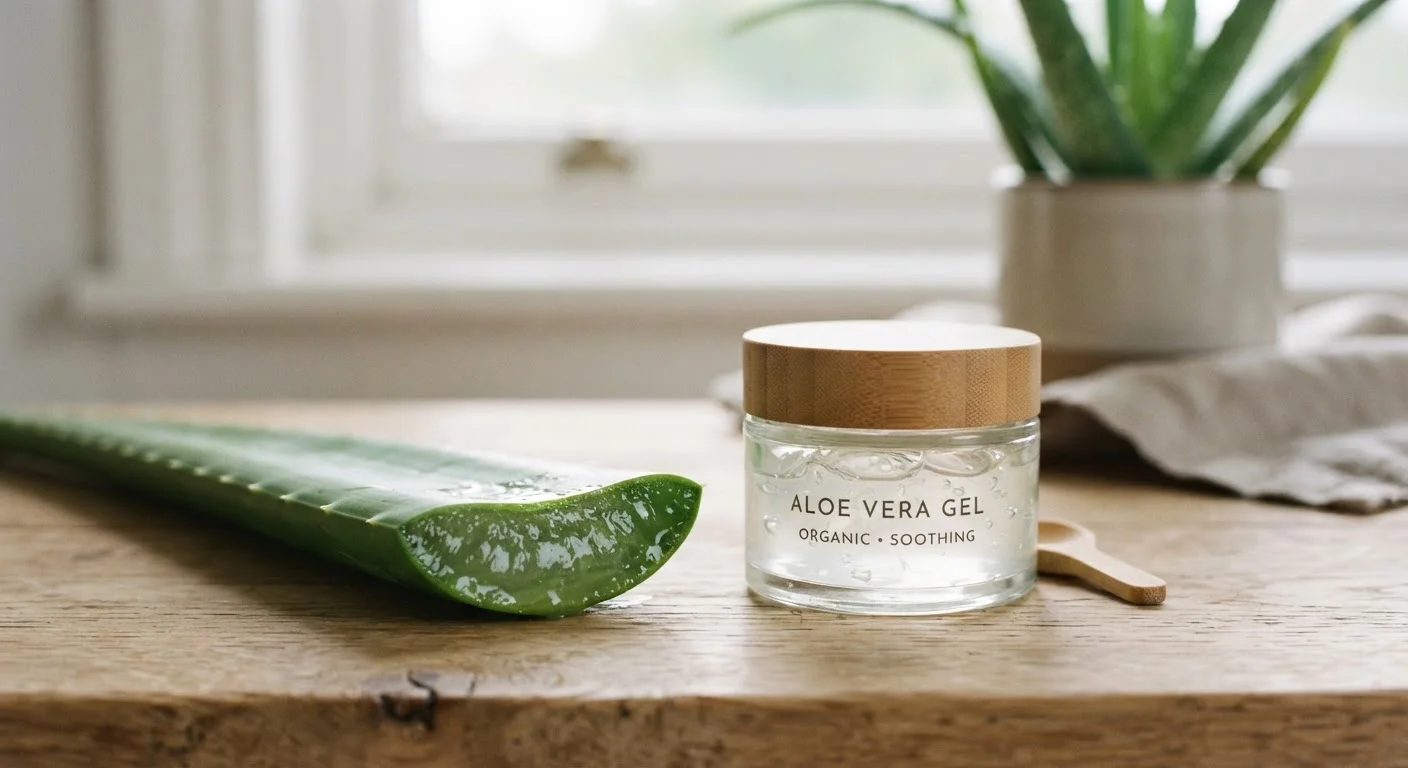
Aloe Vera Gel: Fresh Leaf vs. Packaged Product — What Changes?
Does fresh aloe outperform store-bought gel? A look at what processing does to aloe's acti…
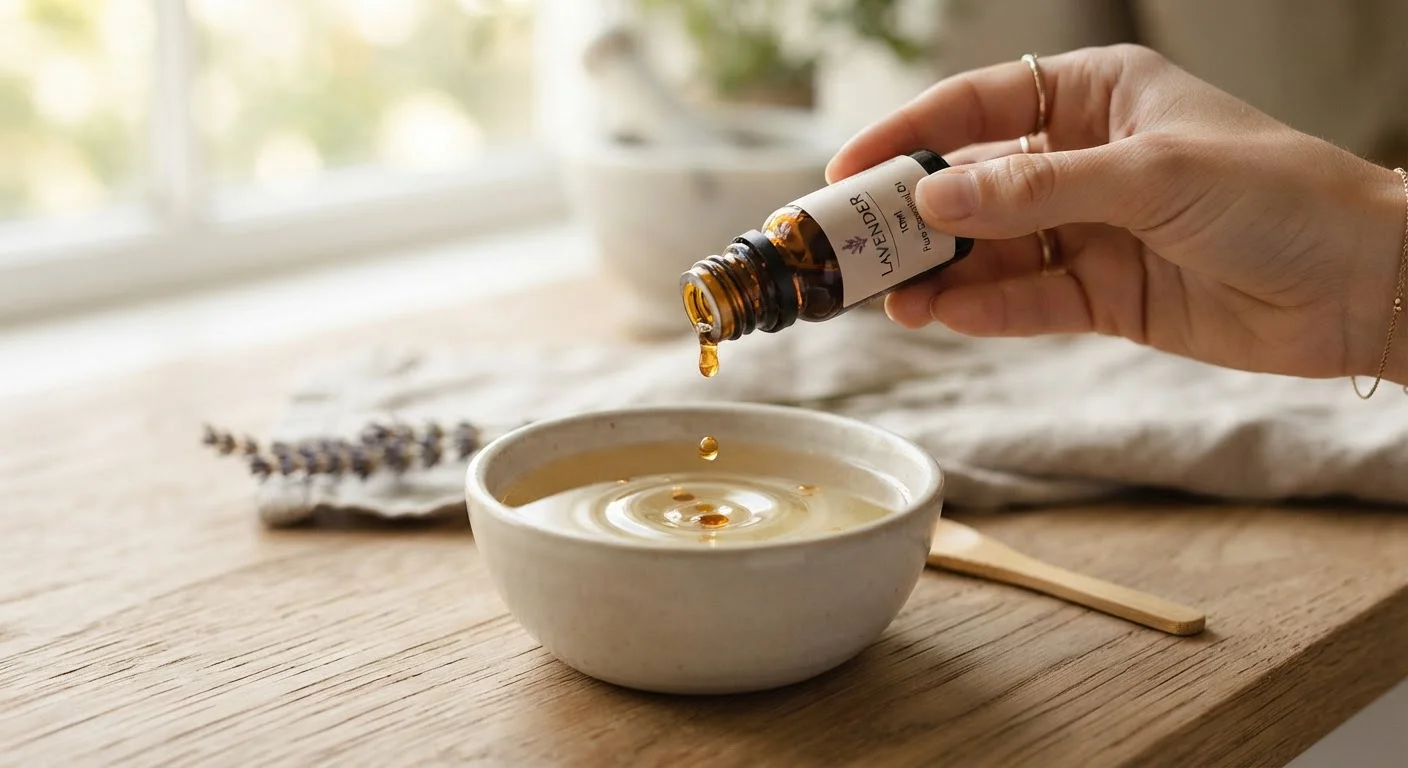
Applying Essential Oils Safely: Dilution, Patch Testing, and Skin Reactions
Essential oils can irritate or sensitise skin if misused. Learn the dilution ratios and sa…
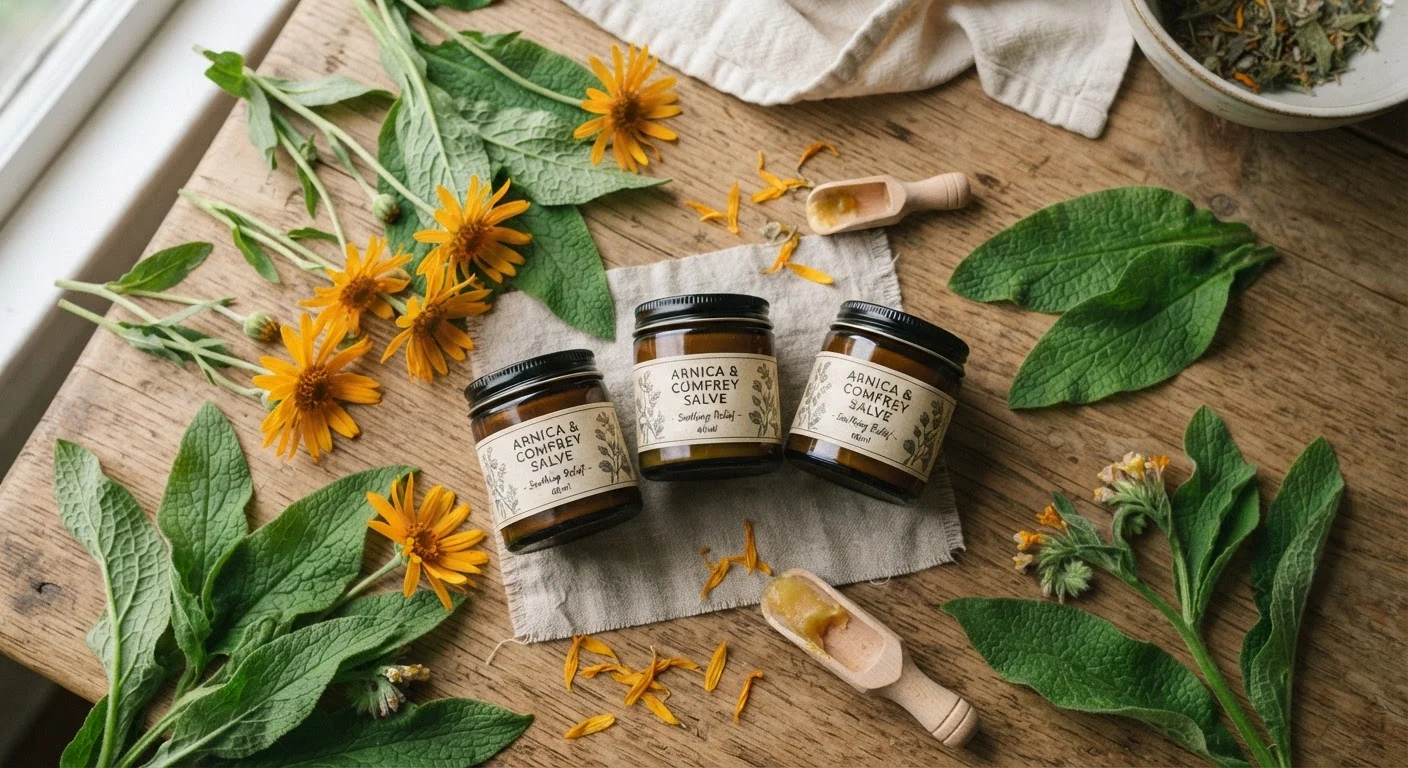
Arnica vs. Comfrey: Two Traditional Topicals for Bruises and Sprains
Both arnica and comfrey are traditional remedies for bruising and sprains. Compare their m…
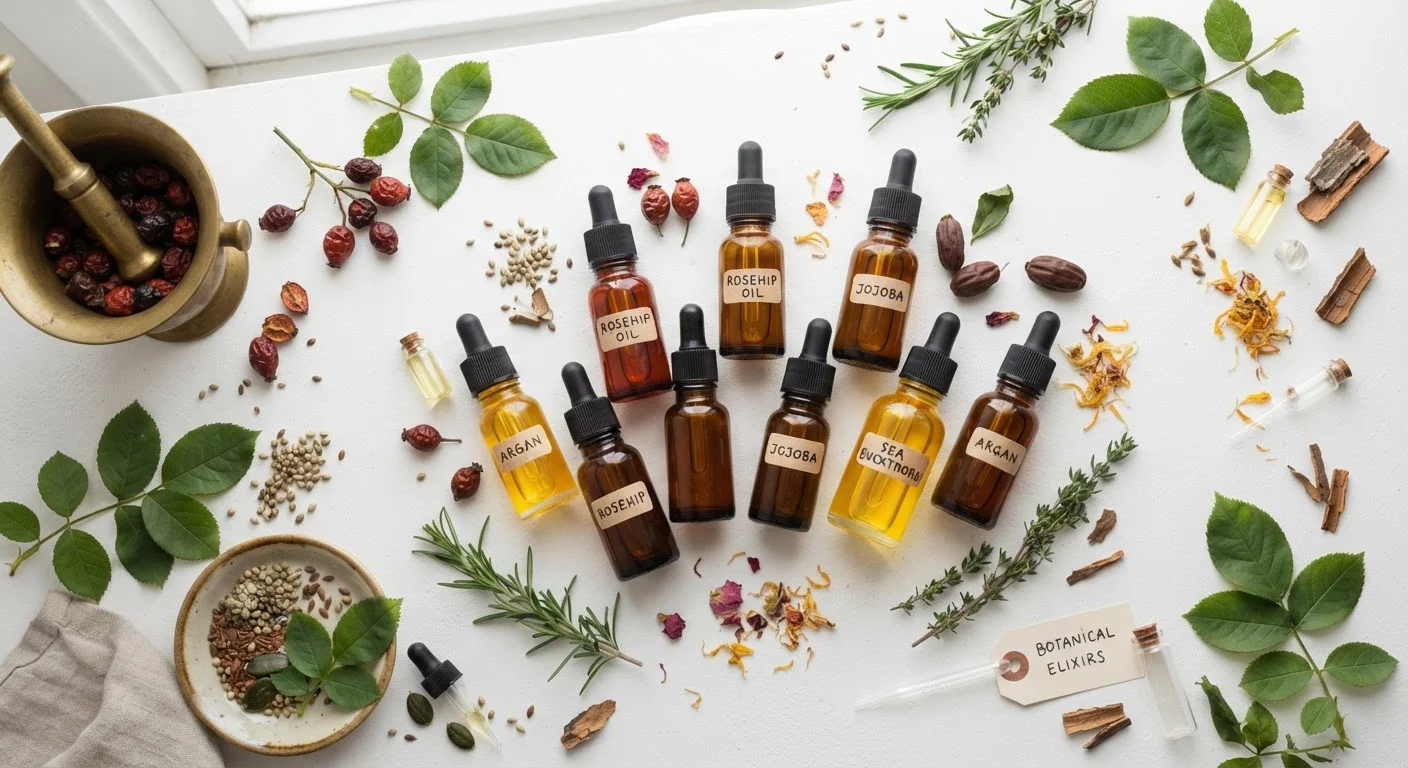
Carrier Oils Decoded: What Each One Does to Your Skin
From jojoba to rosehip, explore how different carrier oils interact with skin and which pr…
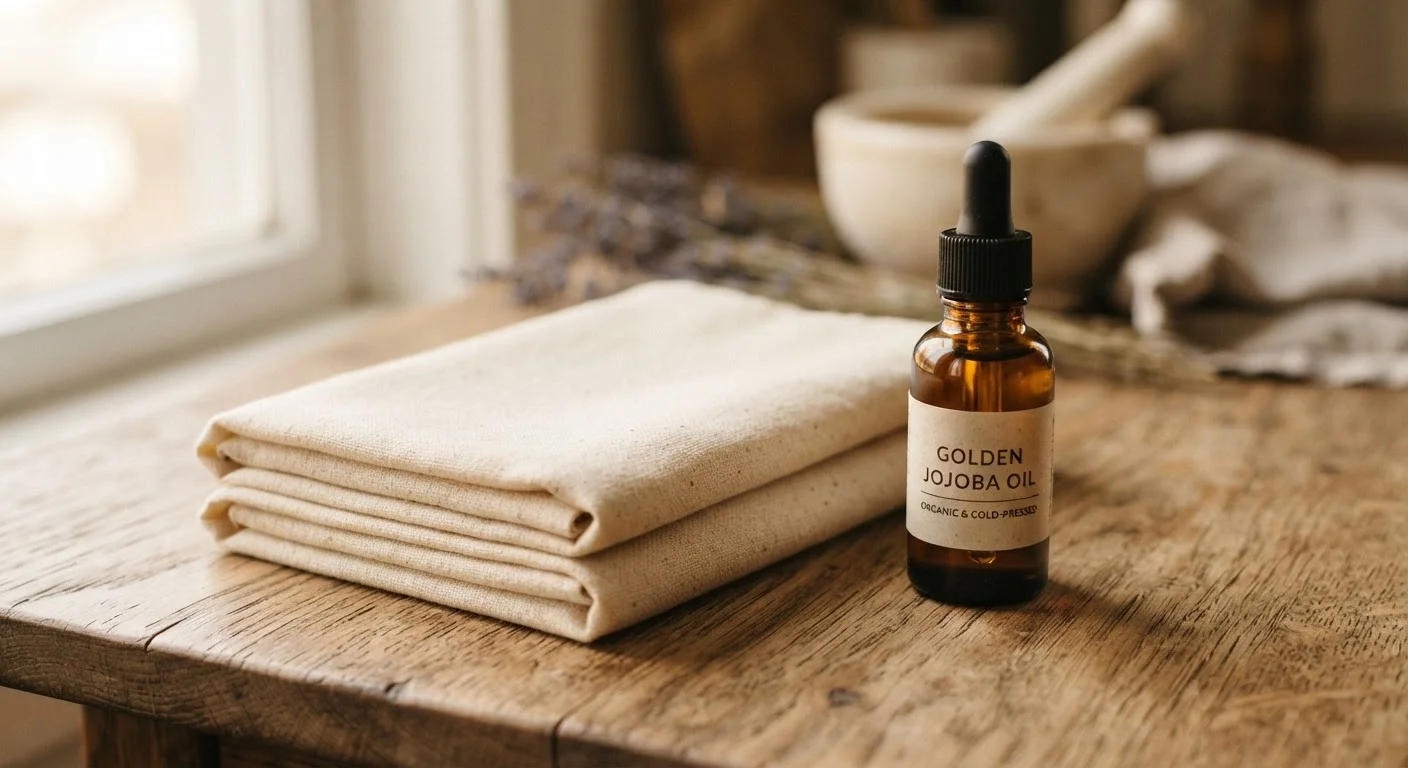
Castor Oil Packs: What They Are, How They're Used, and What Remains Unclear
Castor oil packs have a long folk-medicine history. Learn what they involve, who uses them…
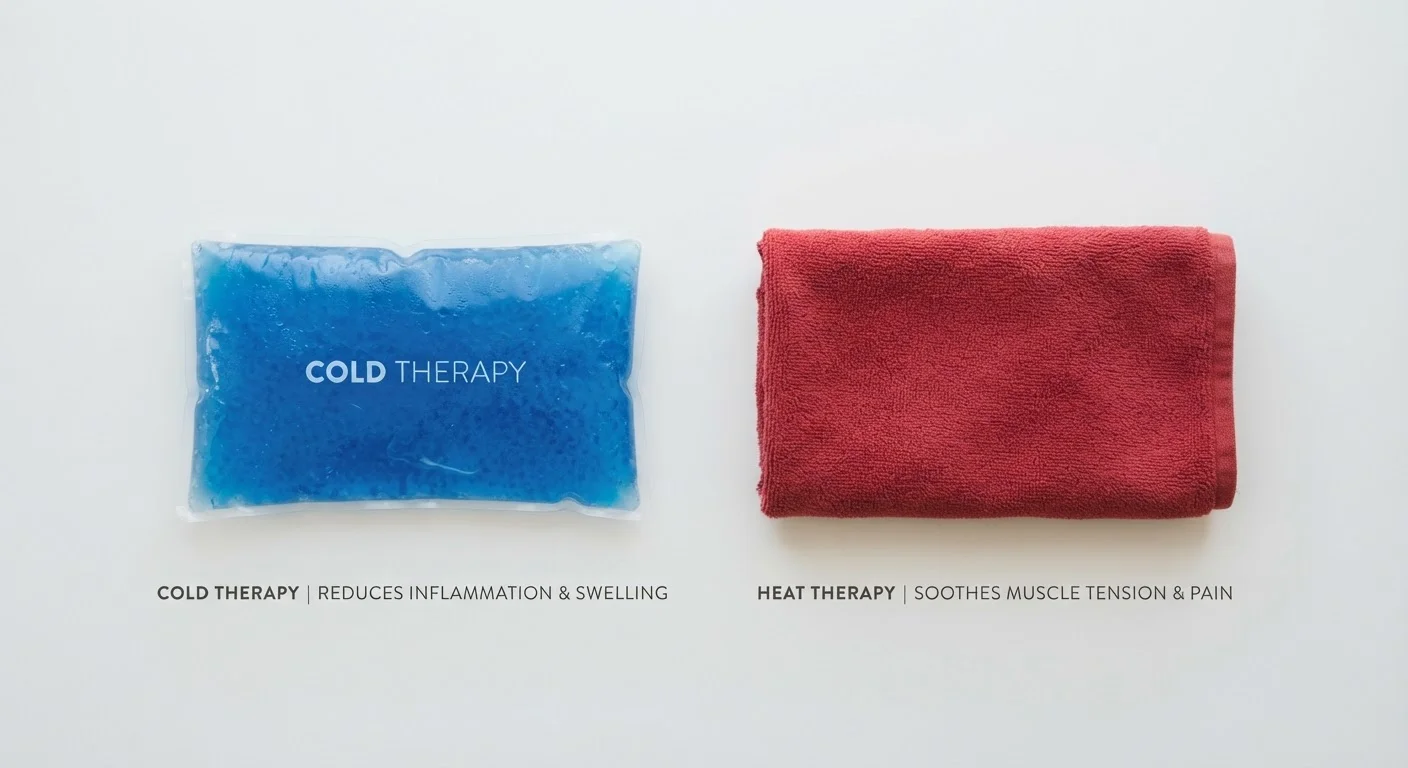
Cold Compress vs. Warm Compress: Choosing the Right One for Your Symptom
Ice or heat? Understand the physiological difference and when each compress type is approp…
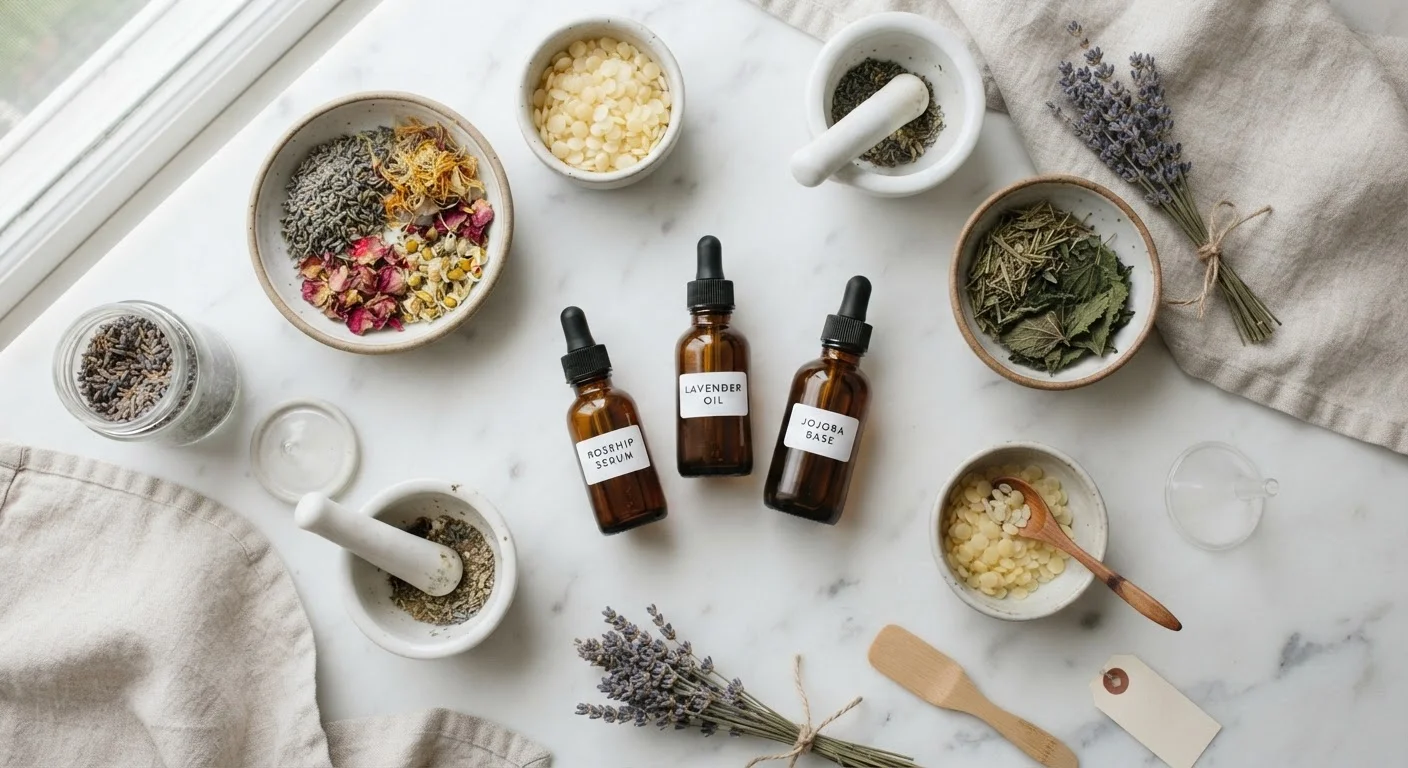
Homemade Topical Remedy Safety Checklist
Before applying any DIY topical remedy, work through this checklist covering ingredient qu…
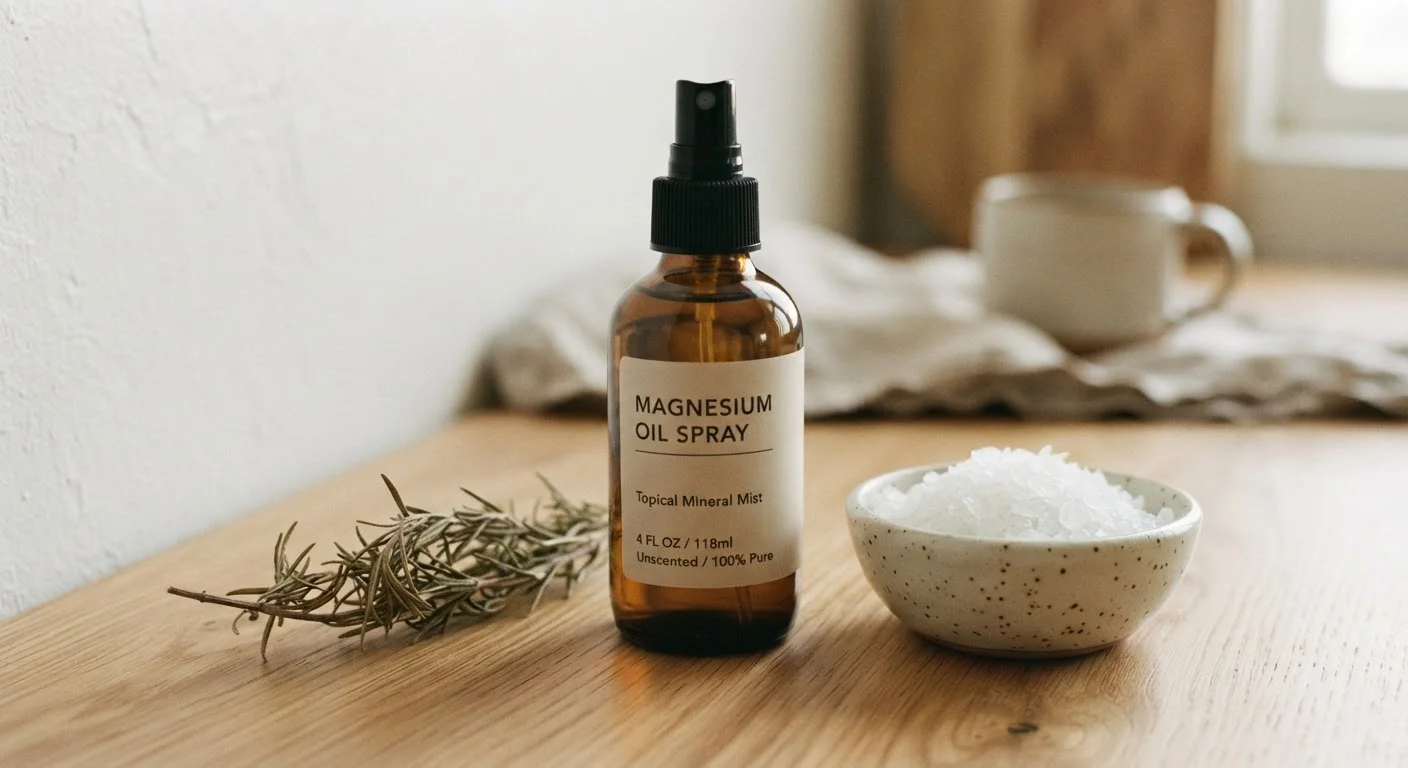
Magnesium Chloride Applied to Skin: Claims, Mechanisms, and Current Research
Transdermal magnesium is widely promoted for muscle cramps and sleep. Here's an honest loo…
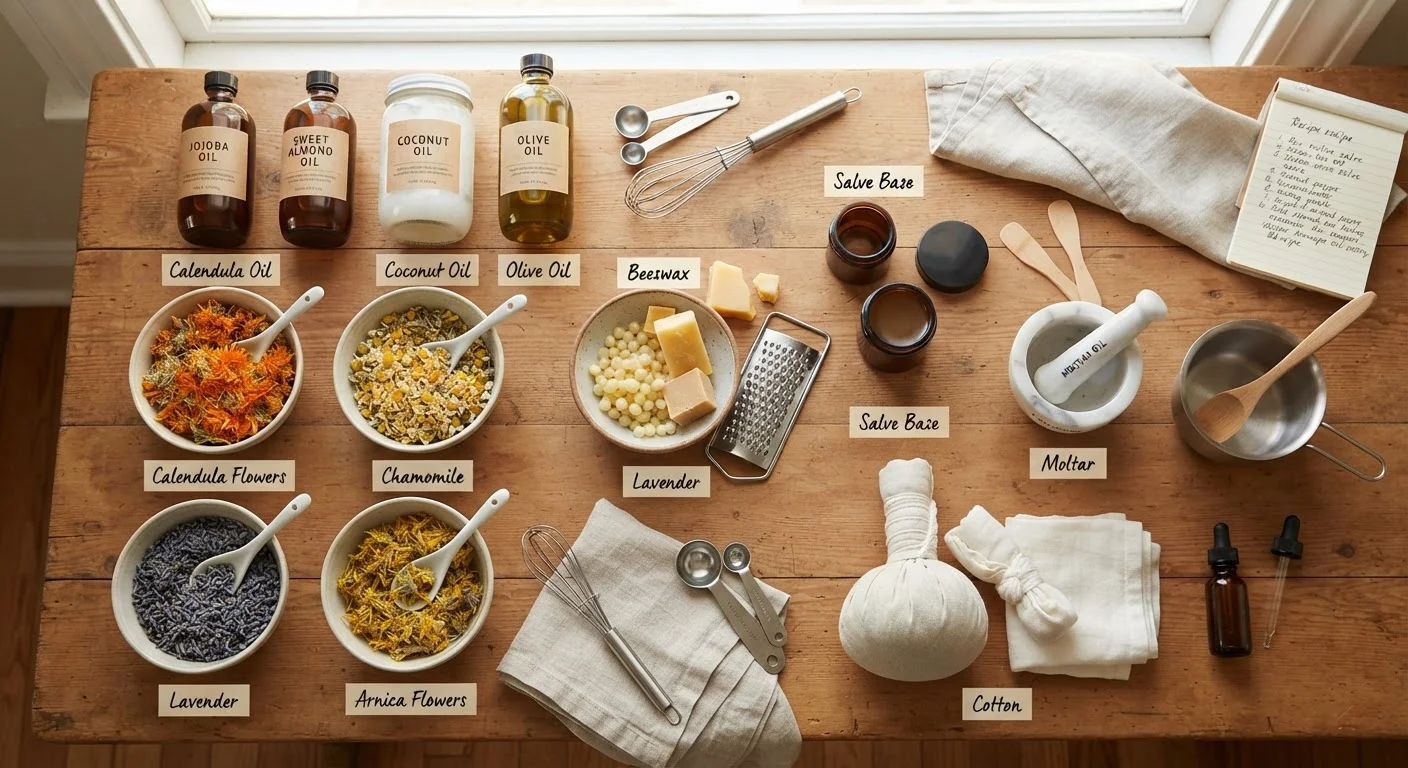
Natural Topical Remedies: A Complete Guide from Ingredients to Application
A thorough resource covering oils, compresses, herbal preparations, and safe application p…
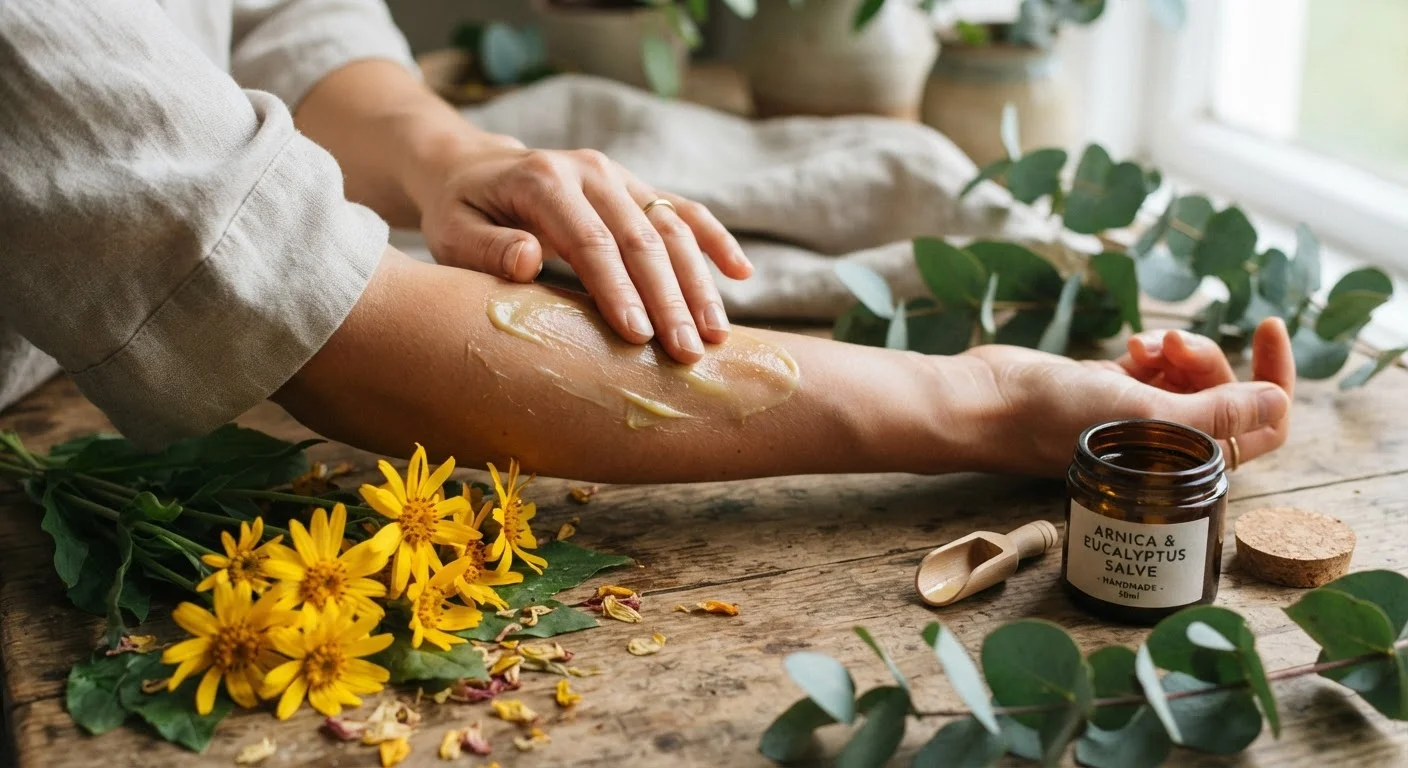
Natural Topical Treatments for Muscle Soreness: What the Science Says
Arnica, menthol, and magnesium are popular for sore muscles. Explore the evidence behind p…
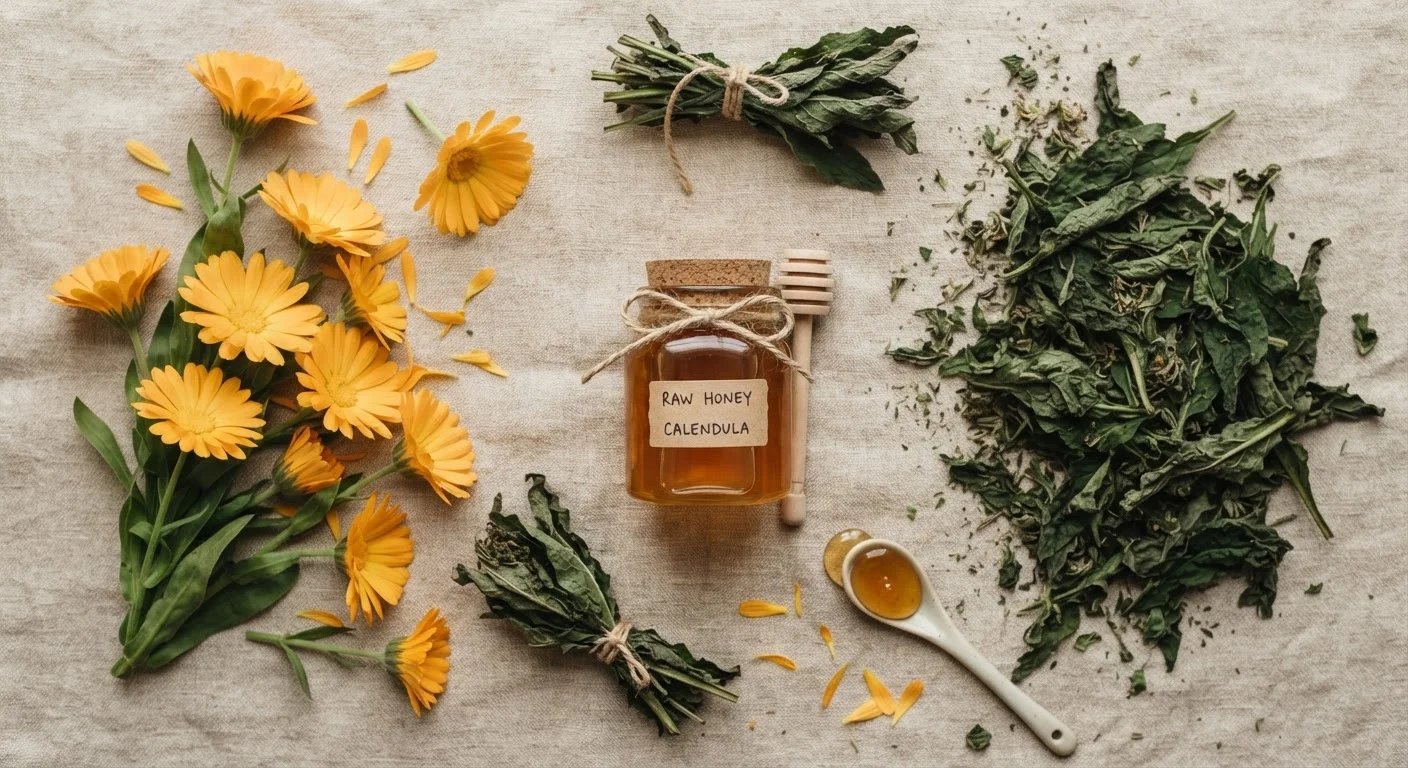
Plant-Based Topicals for Minor Wounds and Skin Irritation: An Evidence Overview
Calendula, honey, and comfrey are often cited for wound care. Here's what clinical evidenc…
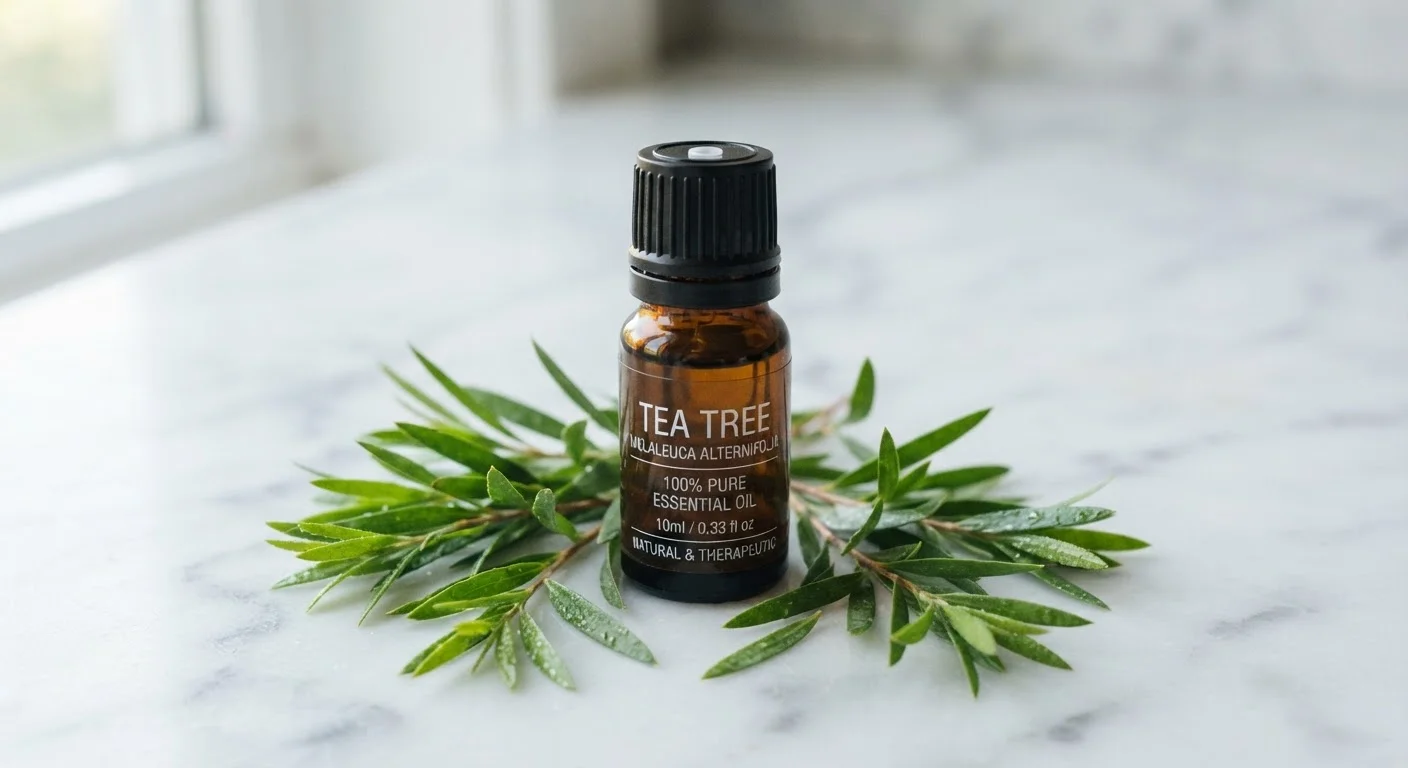
Tea Tree Oil on Skin: Separating the Evidence from the Enthusiasm
Tea tree oil is one of the most popular natural topicals. Here's what research actually su…
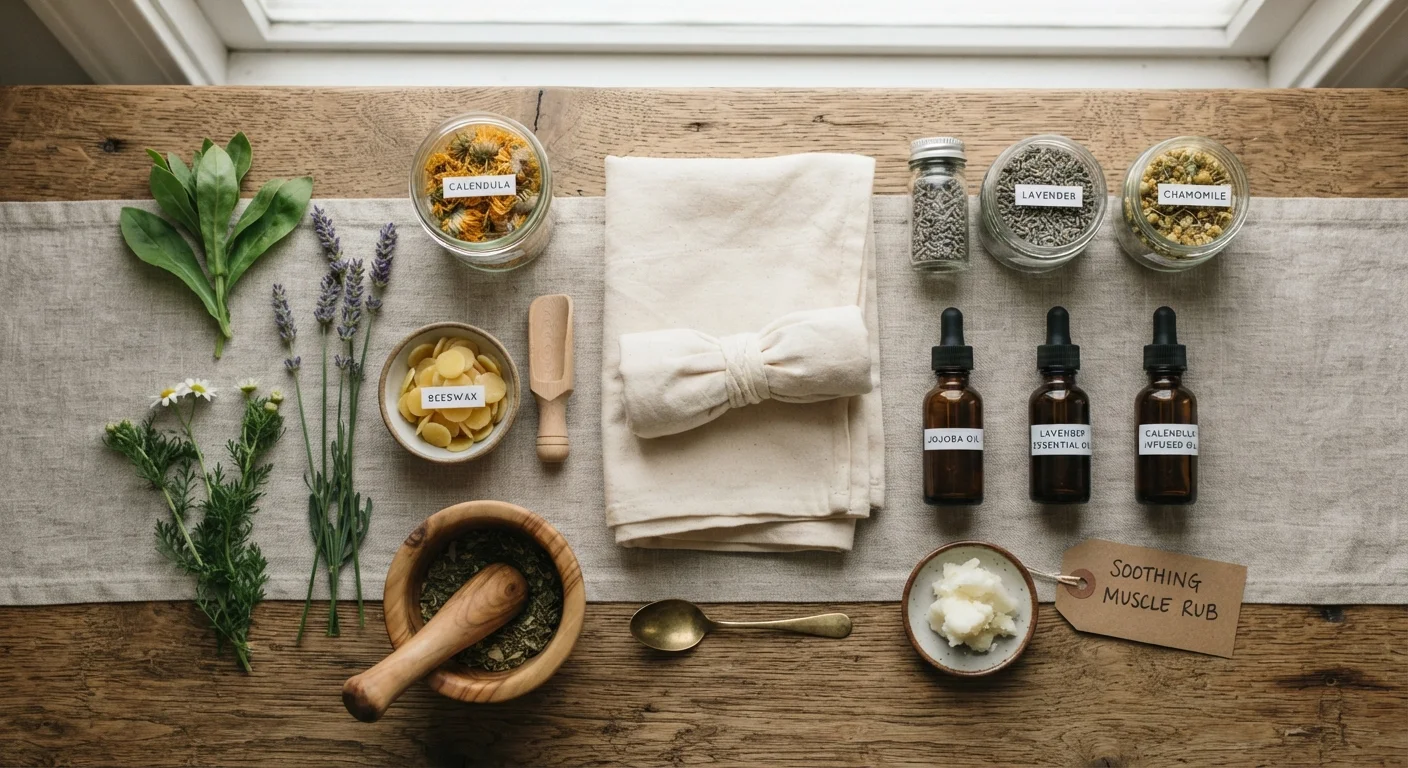
What 'Topical' Actually Means in Natural Remedies
Confused by the term 'topical'? Learn what it means in natural health contexts and how it …
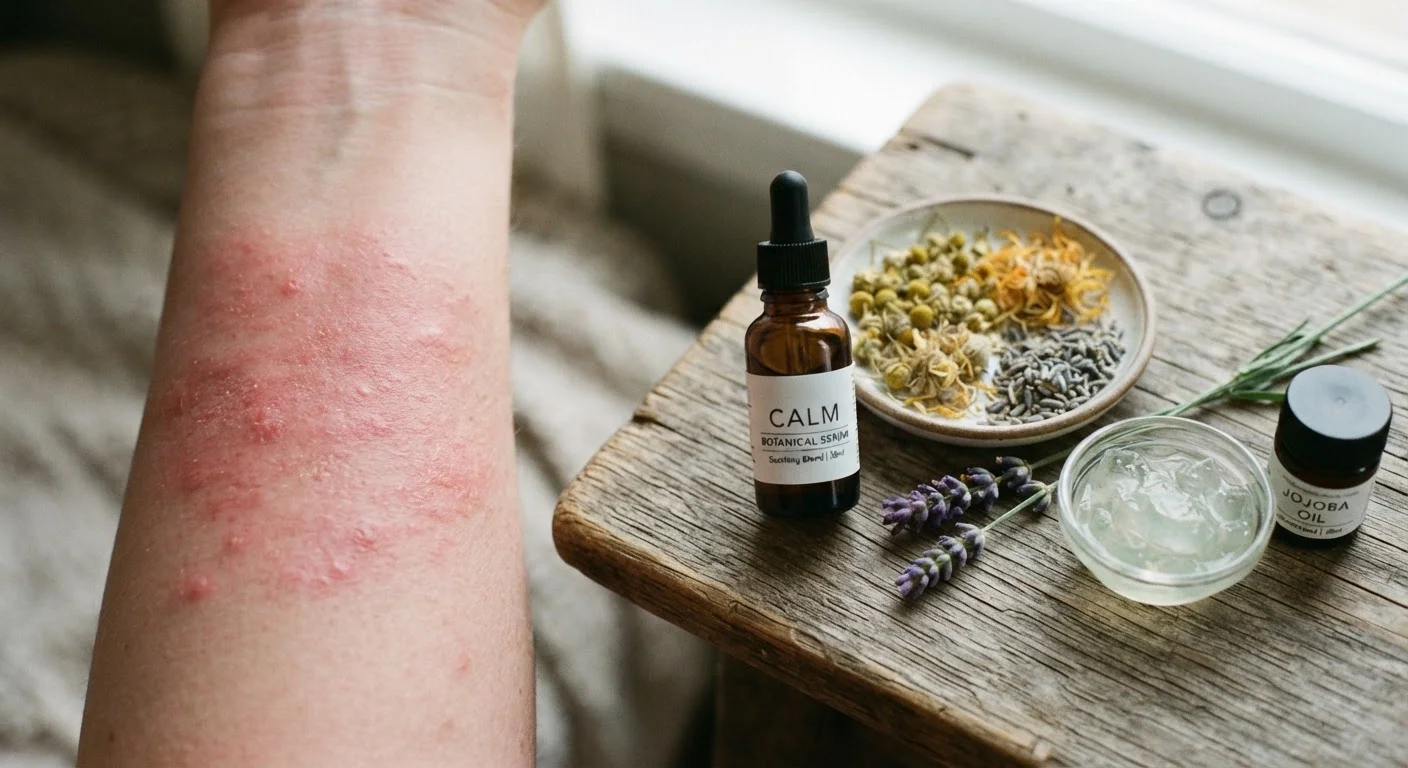
When a Natural Topical Remedy Can Make a Skin Condition Worse
Well-intentioned topical remedies can trigger reactions or delay recovery. Learn the patte…
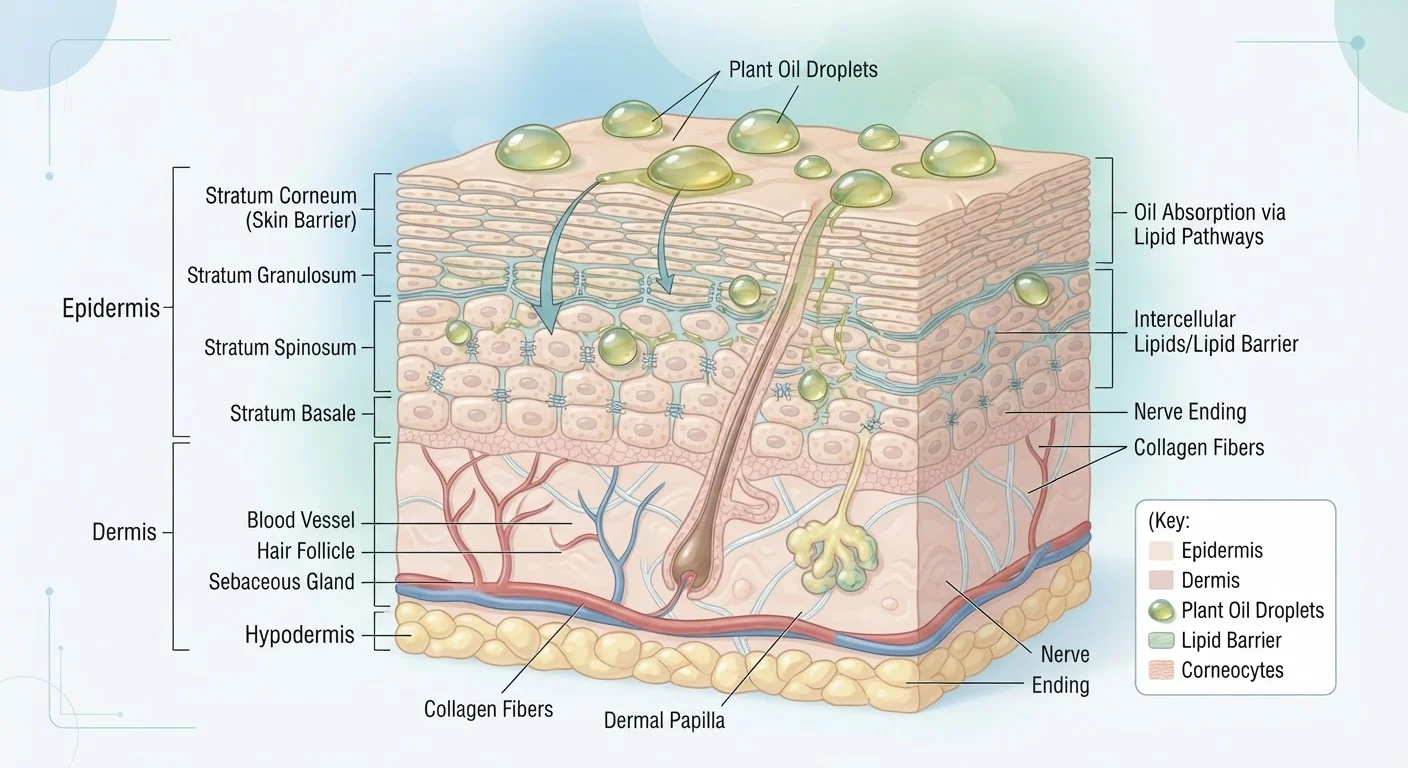
Why Skin Absorption Is More Complicated Than It Looks
Not everything that touches your skin gets absorbed. Understand the skin barrier and what …
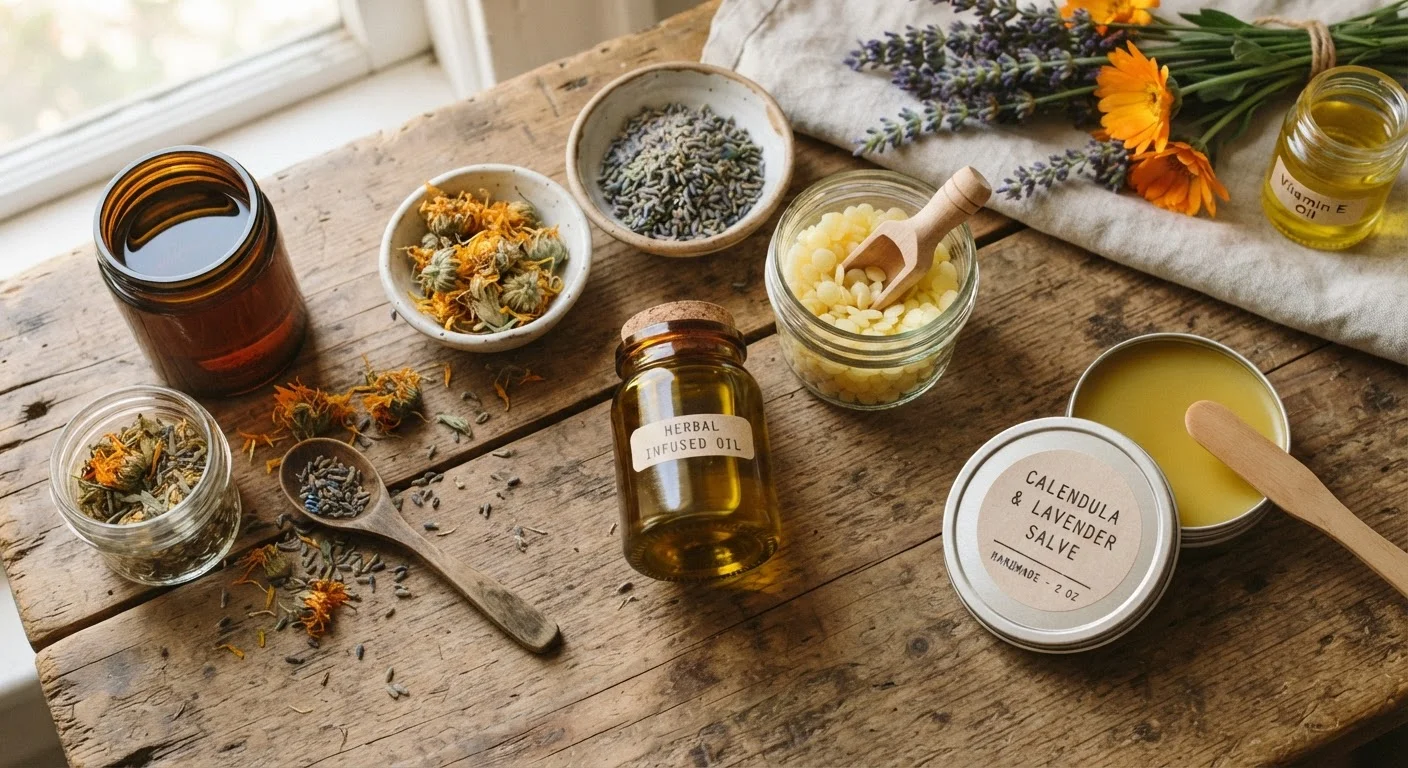
Your First Herbal Salve: Understanding Infused Oils, Beeswax, and Botanicals
New to making topical remedies at home? This guide covers the core ingredients, proportion…