

Key Takeaways
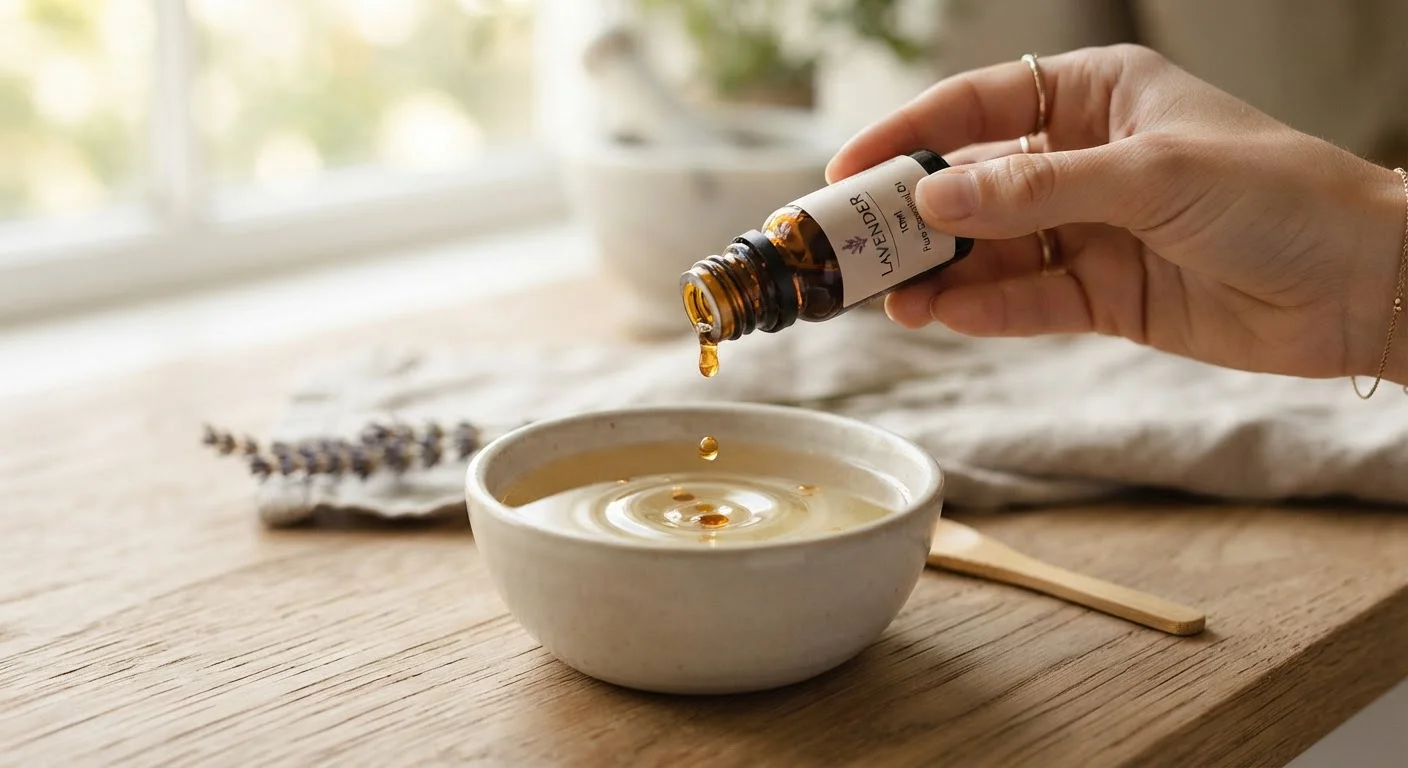
- Undiluted essential oils should almost never be applied directly to skin — dilution is essential.
- A 1–2% dilution in a carrier oil is the standard safe range for most adults using essential oils topically.
- Patch testing before full application can identify sensitivity before a widespread reaction occurs.
- Some oils, including citrus varieties, cause photosensitivity and require extra caution in sunlight.
- Skin sensitisation from repeated overuse can become permanent — more is not better with essential oils.
- Always consult a healthcare professional before using essential oils on children, during pregnancy, or with chronic skin conditions.
Why Dilution Is Non-Negotiable
Essential oils are highly concentrated plant extracts — a single drop can represent the chemical constituents of dozens of leaves, flowers, or rinds. Applied undiluted, many oils carry a genuine risk of chemical burns, contact dermatitis, or long-term sensitisation. Diluting an essential oil in a carrier oil doesn't reduce its benefit; it distributes the active compounds across a larger skin surface area and slows their absorption to a rate the skin can tolerate.
The industry-standard dilution for general adult use is 1–2%, meaning 1–2 drops of essential oil per teaspoon (approximately 5 ml) of carrier oil. For facial use or sensitive skin, 0.5–1% is more appropriate. Higher concentrations — sometimes seen in commercial products — are only considered appropriate for very small, localised areas and short-term use. To understand how different carrier oils interact with skin before you blend, see our guide to carrier oils.
How to Patch Test Correctly
A patch test is a simple, low-effort step that can prevent a significant skin reaction. Many people skip it, assuming familiarity with an oil means safety — but sensitisation can develop at any time, even after years of uneventful use.
To perform a patch test: prepare your diluted blend at the intended concentration, apply a small amount (roughly the size of a coin) to the inner forearm or the skin behind the ear, and leave it uncovered for 24 hours. Avoid washing the area. If you notice redness, itching, swelling, or any change in texture within that window, do not use the blend. A negative result doesn't guarantee universal safety, but it substantially reduces your risk for that specific preparation.
This step is especially important when using a new oil, a new batch of the same oil, or a new carrier. Formulation chemistry varies between suppliers, harvests, and storage conditions. For a broader safety framework before applying any homemade preparation, the Homemade Topical Remedy Safety Checklist provides a structured walkthrough.
Recognising and Responding to Skin Reactions
Two distinct types of skin reactions can result from essential oil use, and understanding the difference matters for how you respond.
Irritant contact dermatitis occurs when a concentrated substance directly damages skin cells. It typically appears quickly — within minutes to hours — as redness, stinging, or a burning sensation at the application site. This is largely a dose-dependent response: reduce concentration or discontinue use, and the skin usually recovers.
Allergic contact dermatitis (sensitisation) is a more serious immunological response. The skin's immune system becomes sensitised to a specific chemical compound — common culprits include linalool (found in lavender), limonene (citrus oils), and eugenol (clove). Once sensitised, even trace exposures can trigger a reaction, and this sensitivity can be permanent. Repeated use of high concentrations is the primary driver of sensitisation.
If a reaction occurs, remove the oil immediately by washing with mild soap and water. Do not attempt to neutralise with another oil or household product. Seek medical attention if swelling, blistering, or symptoms spread beyond the contact area. Severe or systemic reactions require emergency care. For a broader look at how natural topical remedies can sometimes worsen skin conditions, see when natural topical remedies can backfire.
Photosensitive Oils and Other Specific Hazards
Certain essential oils contain compounds called furanocoumarins, which react with ultraviolet light to cause accelerated burning or lasting skin discolouration. Cold-pressed citrus oils — bergamot, lemon, lime, grapefruit, and bitter orange — are the primary examples. If you apply these oils to exposed skin and go outdoors within 12–18 hours, the risk of phototoxicity is real even at properly diluted concentrations.
Steam-distilled versions of some of these oils are available and carry reduced photosensitivity risk, but it's worth verifying with the supplier. As a practical rule, apply photosensitive oils only to skin that will remain covered, or use them in evening routines.
Additional hazards worth noting: peppermint and eucalyptus oils contain menthol and 1,8-cineole respectively, and are considered unsafe for use near the faces of infants and young children. Cinnamon bark and clove oils are among the most potent dermal irritants in common use and require very low dilutions even for adults. Regardless of the oil, mucous membranes, broken skin, and the eye area should always be avoided.
This article is for informational purposes only and does not constitute medical advice. If you experience a skin reaction or have an underlying skin condition, consult a qualified healthcare professional before using essential oils topically.