
Assuming 'Natural' Means Safe: The Most Common Reasoning Error in Herbal Self-Care

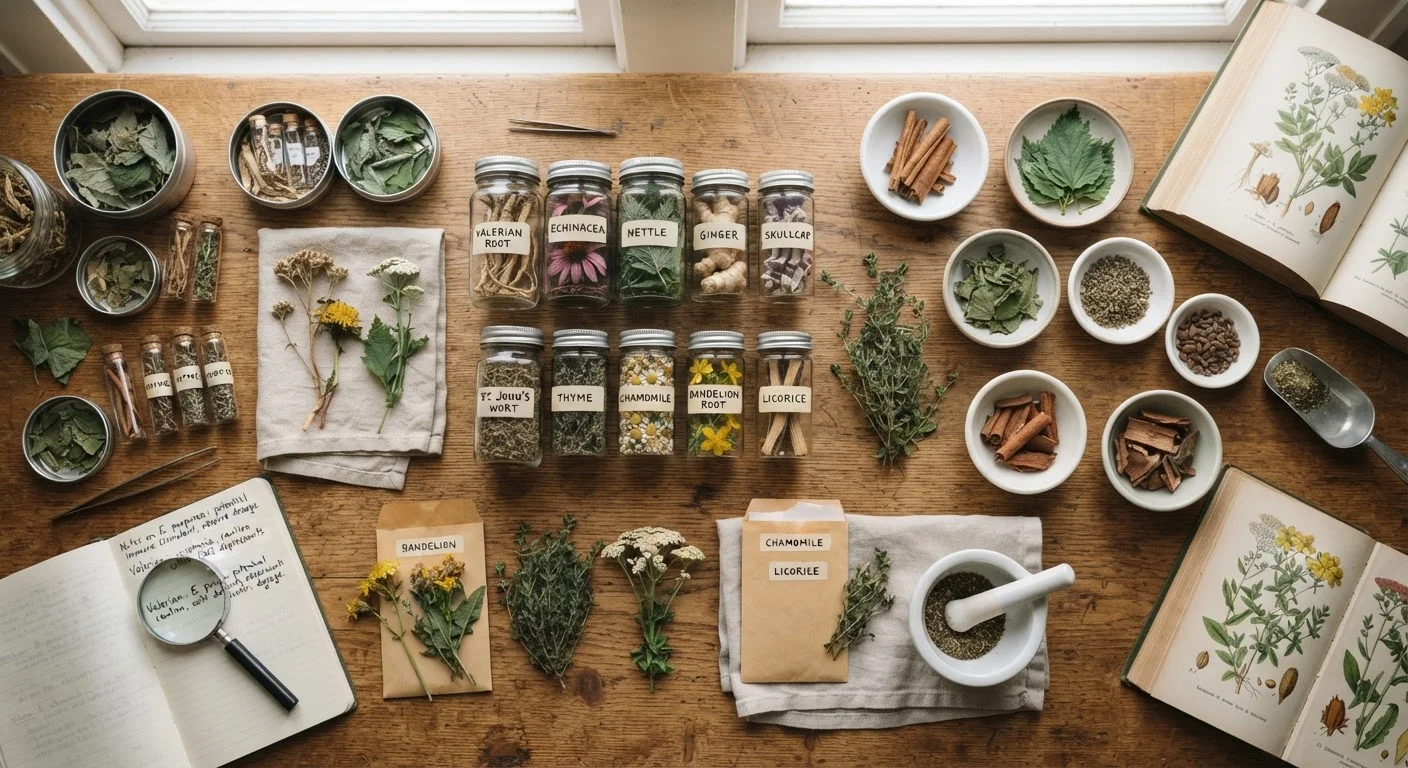
Key Takeaways
- Natural origin does not guarantee safety — many toxic substances are plant-derived.
- Dose, preparation method, and individual health status all affect whether an herb is safe.
- Herbs can interact with prescription medications in clinically significant ways.
- Special populations — pregnant individuals, children, and those with chronic conditions — face elevated risks.
- Consulting a qualified healthcare professional before using herbs therapeutically is always advisable.
Why the 'Natural Equals Safe' Assumption Is a Reasoning Error
The belief that natural substances are inherently safe is one of the most widespread — and most consequential — cognitive shortcuts in self-care. It feels intuitive: if something comes from a plant or the earth, surely it must be gentler than a manufactured drug. But this reasoning confuses origin with effect.
Pharmacologically active herbs contain compounds that interact with enzymes, receptors, and metabolic pathways in the body. That is precisely why they can be useful. It is also why they can cause harm. Dose, preparation, individual health status, and concurrent medications all determine whether an herb supports health or undermines it.
If you are just beginning to explore herbal remedies, this foundational guide explains how herbs are categorised, prepared, and used responsibly. Understanding that framework first helps prevent the errors described below.
~70%
Adults who don't tell their doctor about herbal use
Research published in peer-reviewed journals has consistently found that a substantial majority of herbal supplement users do not disclose use to their physicians, creating potential for undetected interactions.
Over 8,000
Herb-drug interactions documented in clinical literature
A 2020 systematic review identified thousands of documented herb-drug interactions, with cardiovascular drugs, anticoagulants, and immunosuppressants among the most frequently affected drug classes.
~1 in 5
Adults using herbal supplements in the US
National survey data from the NIH National Center for Complementary and Integrative Health indicates roughly one in five American adults uses herbal or botanical supplements.
The Most Common Mistakes — and How to Think Differently
The errors below share a common root: they all flow from underestimating the biological potency of plant-based compounds. Each one is avoidable once you shift from origin-based thinking to effect-based thinking.
Treating 'natural' as a synonym for 'safe' or 'harmless.'
Why it happens: The word 'natural' carries strong positive associations in consumer culture, leading many people to unconsciously equate it with low risk. Marketing language reinforces this by contrasting 'natural' products with pharmaceutical ones as though the categories are inherently opposed.
Ignoring dose and assuming more is better or that any amount is safe.
Why it happens: Without formal dosing guidance on herbal products, users often assume variability doesn't matter much — or that increasing the amount will increase the benefit without increasing the risk.
Failing to disclose herbal use to conventional healthcare providers.
Why it happens: People often assume their doctor isn't interested in or knowledgeable about herbs, or worry about being judged. Some simply don't think of herbs as 'real' medicine worth mentioning.
Assuming an herb safe for one person or purpose is universally safe.
Why it happens: Positive personal experience — or enthusiastic recommendations from friends — can create the impression that a remedy is risk-free across all users and contexts.
Using topical herbal remedies without recognizing they can worsen skin conditions.
Why it happens: Topical application feels more innocuous than ingestion, so users apply plant-based preparations liberally without patch testing or considering their skin barrier status.
Substituting herbal remedies for diagnosed conditions requiring medical treatment.
Why it happens: Distrust of conventional medicine, cost concerns, or a desire for autonomy can lead people to delay or replace necessary care with self-directed herbal protocols.
Herbs Can Interact With Medications
St. John's Wort is among the most well-documented examples: it can reduce the effectiveness of anticoagulants, oral contraceptives, and antiretroviral drugs by accelerating their breakdown in the liver. This is not a rare edge case — herb-drug interactions are an established clinical concern. Always inform your doctor or pharmacist about any herbal products you are using alongside prescription or over-the-counter medications.
Special Populations Need Extra Caution
Herbs that are broadly considered low-risk for healthy adults may carry meaningful risks during pregnancy, for young children, or for people managing chronic conditions. Many herbs have not been studied in these groups at all, which means absence of evidence is not the same as evidence of safety. If you are pregnant, nursing, or managing a health condition, consult a qualified healthcare professional before using any herbal remedy.
Labeling Does Not Guarantee Purity or Accuracy
Herbal supplements in the US are regulated as dietary supplements, not drugs, meaning manufacturers are not required to prove safety or efficacy before selling. Independent testing has found products that contain contaminants, undeclared ingredients, or doses that differ from the label. Look for products that have undergone third-party verification and consult a pharmacist or integrative medicine professional if you are unsure.
This article is for general informational purposes only and does not constitute medical advice. Always consult a qualified healthcare professional before starting, stopping, or changing any health regimen, including the use of herbal remedies.