

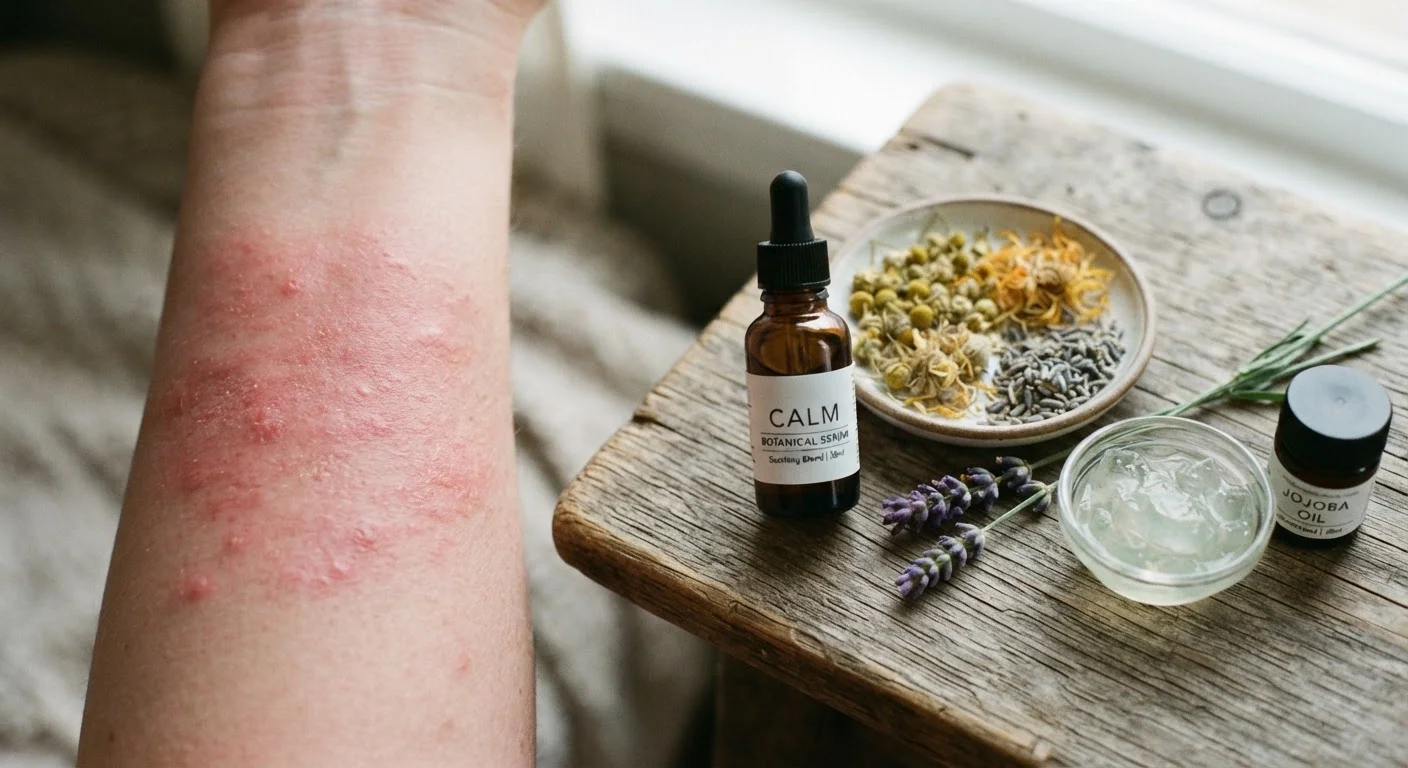
Key Takeaways
- Plant-based topical remedies can trigger allergic contact dermatitis even in people with no known allergies.
- Applying oil-based remedies to acne-prone or infected skin can trap bacteria and worsen breakouts.
- Occlusive applications like coconut oil on weeping eczema may promote bacterial or fungal overgrowth.
- Patch testing before widespread application is a critical step most people skip.
- Some natural ingredients, including citrus oils and St. John's Wort, increase photosensitivity when applied topically.
- Delaying professional care while self-treating can allow a manageable condition to progress significantly.
Why Natural Topical Remedies Aren't Automatically Skin-Safe
The appeal of natural topical remedies — aloe vera, tea tree oil, colloidal oatmeal, raw honey — is understandable. They're accessible, inexpensive, and carry centuries of traditional use. But the skin is a dynamic immune organ, not a passive surface. What soothes one person can inflame another, and even well-researched ingredients come with conditions and caveats.
The mistakes that lead to worsened skin conditions aren't usually the result of recklessness. They stem from incomplete information: not knowing that a remedy suited to one skin type or condition can actively aggravate another, or that application method matters as much as ingredient choice. The natural-equals-safe assumption is at the root of many of these errors — and recognizing it is the first step toward safer self-care.
Applying undiluted essential oils directly to irritated or broken skin.
Why it happens: Essential oils like tea tree, lavender, and eucalyptus are widely promoted as skin treatments, and many people assume that 'pure' means stronger or better.
Skipping the patch test and applying a new remedy across a large skin area immediately.
Why it happens: When a remedy comes recommended or feels intuitive, the patch test step can feel overly cautious or unnecessary. Most people skip it because nothing has gone wrong before.
Using occlusive oil-based remedies on wet, weeping, or infected eczema flares.
Why it happens: Oils like coconut oil are widely recommended for dry skin and eczema, and some research does support their use in certain contexts. This gets generalized to all eczema presentations.
Applying citrus-derived oils or St. John's Wort preparations before sun exposure.
Why it happens: Photosensitizing reactions are rarely discussed in general wellness content, so users of lemon oil, bergamot, or topical hypericum preparations are often unaware of the risk.
Continuing a natural remedy application when the condition is clearly worsening.
Why it happens: Self-treaters often interpret initial worsening as a 'purging' or adjustment phase and push through rather than stopping. Some remedies are expected to sting briefly — this expectation gets overapplied.
When to Step Back and Seek Professional Input
Even when a natural topical approach seems reasonable, certain signals indicate it's time to consult a dermatologist or healthcare provider. If a skin condition is spreading, weeping, crusting, or showing signs of infection — warmth, swelling, increasing pain, pus — self-treatment of any kind should pause. These are not situations where home remedies provide an adequate margin of safety.
Do Not Self-Treat Signs of Skin Infection
Warmth, increasing swelling, pus, red streaking, or fever alongside a skin condition are potential signs of infection requiring prompt medical attention. Applying any topical remedy — natural or otherwise — to an infected area without professional guidance can delay necessary treatment. Contact a healthcare provider or urgent care facility promptly if these signs appear.
It's also worth understanding that many common skin conditions — eczema, psoriasis, rosacea, seborrheic dermatitis — have overlapping presentations. Treating one as though it's another is a frequent source of harm. Tea tree oil, for instance, may help mild fungal issues but can significantly irritate rosacea-prone skin. Without a confirmed diagnosis, even a well-informed remedy choice is essentially a guess.
For a broader look at how natural topical ingredients can be applied more safely, the complete guide to natural topical remedies covers preparation and application practices in detail. And if you're using pantry-based treatments alongside prescription care, this compatibility guide can help you identify where conflicts may arise.
~10%
Prevalence of allergic contact dermatitis in the general population
Research published in dermatology literature consistently estimates allergic contact dermatitis affects roughly 10% of the population, with botanical ingredients among the recognized triggers.
Up to 3 weeks
Delay in care caused by self-treatment before seeking diagnosis
Studies on dermatology care-seeking behavior suggest patients who self-treat with topical remedies often wait weeks before consulting a professional, potentially allowing conditions to progress.
This article is for general informational purposes only and does not constitute medical advice. Always consult a qualified healthcare professional before beginning any treatment for a skin condition, particularly if symptoms are severe, spreading, or unresponsive to care.