

Key Takeaways
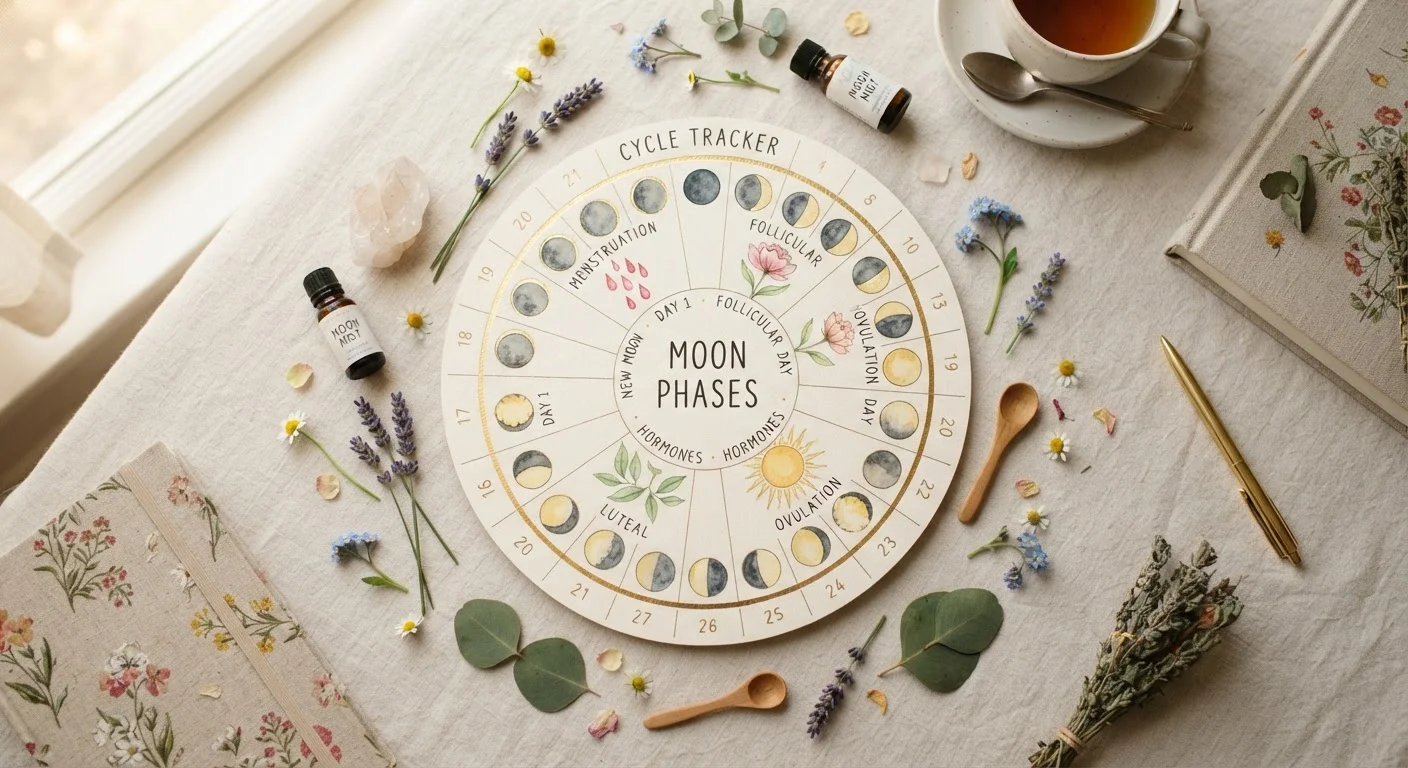
- The menstrual cycle has four phases: menstrual, follicular, ovulatory, and luteal.
- Estrogen and progesterone are the primary hormones, but FSH, LH, and testosterone also play key roles.
- Each phase shapes energy, mood, focus, and physical symptoms in predictable ways.
- Cycle length varies naturally between individuals; only a consistent pattern is meaningful.
- Tracking your cycle can help you recognize personal hormonal patterns and support your wellbeing.
- Persistent or severe symptoms across any phase deserve a conversation with a healthcare professional.
The Female Hormonal Cycle
The female hormonal cycle — commonly called the menstrual cycle — is a monthly sequence of hormonal shifts that prepares the body for a potential pregnancy. It typically spans around 21 to 35 days and is divided into four distinct phases, each governed by different hormones that influence not just reproductive function but also mood, energy, sleep, and metabolism. Understanding these phases helps explain why you might feel energized and social one week and introspective and fatigued the next.
The cycle is orchestrated by interplay between the hypothalamus, pituitary gland, and ovaries — a feedback system known as the hypothalamic-pituitary-ovarian (HPO) axis, which regulates the timing and magnitude of each hormone's release.
Phase 1: Menstrual — The Reset
The cycle begins on the first day of your period. During the menstrual phase (roughly days 1–5 for most people), the uterine lining that built up during the previous cycle sheds because no fertilized egg implanted. Estrogen and progesterone are at their lowest, which is why many women notice fatigue, cramping, and a quieter, more inward-looking mood during this time.
This is also when prostaglandins — hormone-like compounds — trigger uterine contractions to help expel the lining. Higher prostaglandin levels are linked to more intense cramping. Energetically, this phase often calls for rest, and honoring that need rather than pushing through it can be genuinely supportive of your body's process.
For a detailed look at what's typical versus worth monitoring in terms of flow and symptoms, see The Menstrual Cycle Explained.
Phase 2: Follicular — Rising Energy
Overlapping with menstruation and extending beyond it (roughly days 1–13), the follicular phase is when the pituitary gland releases follicle-stimulating hormone (FSH). FSH signals several follicles in the ovaries to develop, though typically only one matures fully. As these follicles grow, they produce increasing amounts of estrogen.
Rising estrogen is responsible for the lift in mood, focus, and physical energy many women notice in the days following their period. The uterine lining begins rebuilding, and cognitive sharpness often peaks. Social motivation and creativity tend to increase alongside estrogen — many women find this a productive window for ambitious tasks or social plans.
21–35 days
Typical range for a menstrual cycle
According to the American College of Obstetricians and Gynecologists, cycle length varies considerably between individuals and across a lifetime.
~90%
Women who experience at least one PMS symptom
Research published in the American Journal of Obstetrics and Gynecology suggests the vast majority of menstruating women experience some form of premenstrual symptom.
12–24 hours
Window of egg viability after ovulation
This narrow timeframe is well established in reproductive medicine and underpins the science of fertility awareness methods.
Phase 3: Ovulatory — The Peak
Around the midpoint of the cycle (often days 12–16, though this varies), a surge in luteinizing hormone (LH) triggers the release of a mature egg from the dominant follicle. This is ovulation. Estrogen peaks just before the LH surge, and testosterone also rises briefly, contributing to heightened libido, confidence, and communication ease that many women notice around this time.
The ovulatory window is short — the egg is viable for roughly 12 to 24 hours — but physical and emotional signs like increased cervical fluid, a slight rise in basal body temperature, and heightened energy can signal this phase is occurring. These cues are central to fertility awareness methods and also useful for general cycle literacy.
“The menstrual cycle is sometimes called a woman's fifth vital sign — it reflects the overall state of her health in ways that go well beyond reproduction.”
— Dr. Jerilynn Prior, Professor of Endocrinology, University of British Columbia, and founder of the Centre for Menstrual Cycle and Ovulation Research
Phase 4: Luteal — Progesterone Takes Over
After ovulation, the ruptured follicle transforms into the corpus luteum, which produces progesterone. This hormone dominates the luteal phase (roughly days 15–28) and has a calming, sometimes sedating effect — progesterone raises body temperature slightly and can increase appetite and the need for more sleep. Estrogen also rises initially before both hormones decline sharply if pregnancy doesn't occur.
That drop in estrogen and progesterone in the latter part of the luteal phase is what drives premenstrual symptoms (PMS) in many women: irritability, bloating, breast tenderness, and low mood. These are real, hormonally driven experiences — not imagined or exaggerated. For strategies around sleep during this phase specifically, building a sustainable sleep routine around your cycle offers practical guidance.
If symptoms feel overwhelming or significantly disrupt daily life, that's worth exploring with a healthcare professional. You can also learn more about potential hormonal shifts through Hormonal Imbalance in Women: Symptoms, Causes, and When to Seek Help.
Putting It All Together: Cycle Awareness as Self-Knowledge
Understanding your hormonal cycle is less about predicting exactly what you'll feel and more about recognizing patterns unique to you. Cycle lengths vary, symptom intensity varies, and life factors like stress, sleep quality, and nutrition all interact with hormonal rhythms in meaningful ways.
One of the most practical things you can do is start noticing. Recording mood, energy, sleep quality, and physical symptoms across a few cycles reveals patterns that often feel surprising in their consistency. Tracking your cycle for hormonal awareness is a natural next step, and a monthly hormonal health self-check can help you know what to look for at each phase.
Your cycle is a source of information, not inconvenience. The more fluently you can read it, the more effectively you can care for yourself — and the better equipped you'll be to recognize when something genuinely warrants professional attention.
This article is for informational purposes only and is not a substitute for professional medical advice, diagnosis, or treatment. Always consult a qualified healthcare provider with questions about your health or menstrual cycle.