
Body Fat, Muscle Mass, and Male Hormones: How Body Composition Shapes the Endocrine System

Key Takeaways
- Fat tissue converts testosterone into estrogen through an enzyme called aromatase.
- Higher body fat is associated with lower circulating testosterone in men.
- Muscle mass supports insulin sensitivity, which indirectly protects hormonal balance.
- Changes in body composition — not just weight — drive the most meaningful hormonal shifts.
- Lifestyle modifications targeting fat loss and muscle gain can measurably influence hormone levels.
- Always consult a healthcare provider before drawing clinical conclusions from symptoms alone.
Body Composition and the Endocrine System
Body composition refers to the ratio of fat mass to lean mass (primarily muscle) in the body. These tissues are not passive — they actively communicate with the endocrine system, the network of glands and organs that produce and regulate hormones. In men, shifts in the balance between fat and muscle can meaningfully alter testosterone, estrogen, and several other hormones that govern energy, mood, and metabolism.
Adipose (fat) tissue expresses the enzyme aromatase, which converts androgens — including testosterone — into estrogens. Higher fat mass generally means higher aromatase activity, which can reduce circulating testosterone while elevating estradiol levels.
Fat Tissue Is an Endocrine Organ
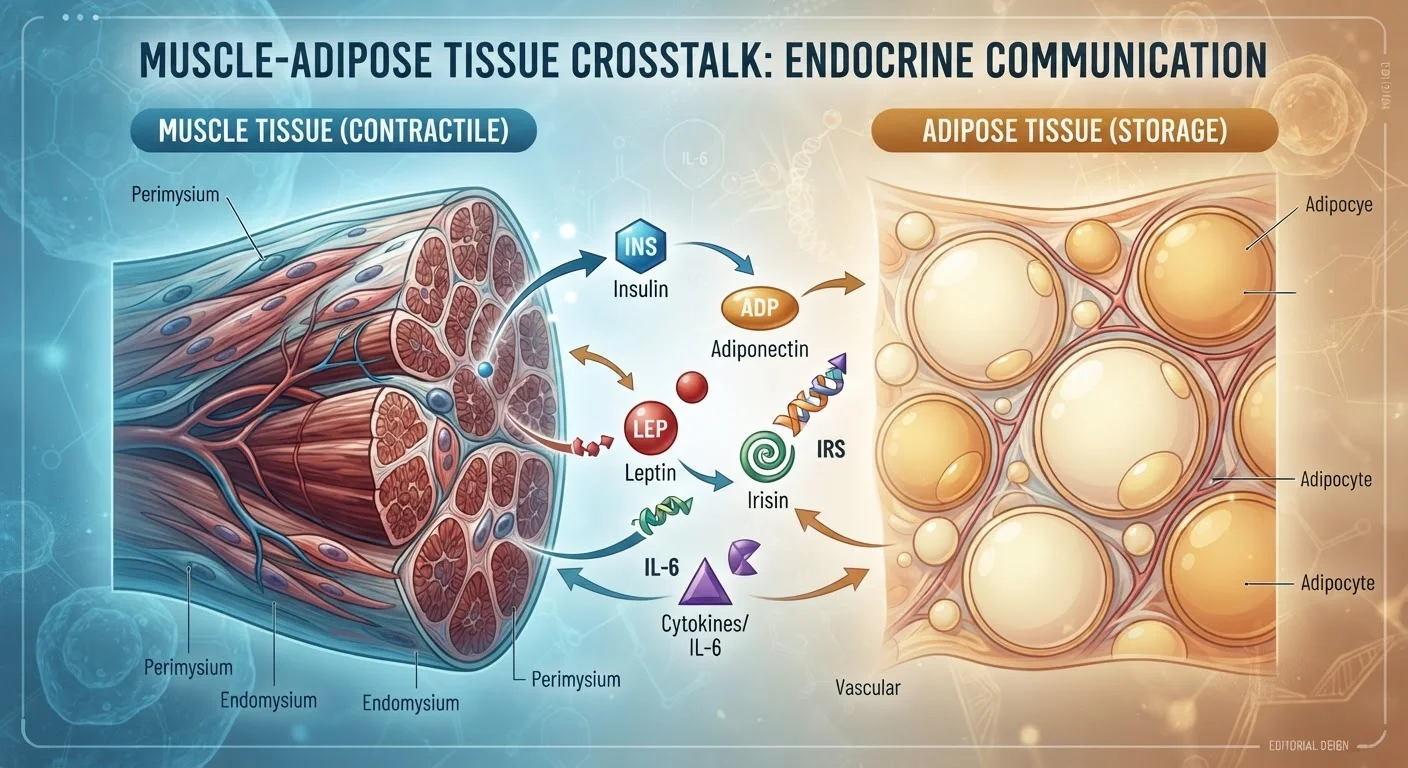
Most men think of body fat as inert storage — extra fuel parked under the skin. In reality, adipose tissue is metabolically active and functions as a genuine endocrine organ. It produces hormones, inflammatory signals, and critically, the enzyme aromatase.
Aromatase converts androgens — including testosterone — into estrogens. This process is normal and necessary; men require some estrogen for bone density, cardiovascular health, and brain function. The problem arises when excess fat tissue amplifies aromatase activity beyond a healthy threshold, accelerating the conversion of testosterone into estradiol and shifting the hormonal balance.
For a broader grounding in how the male endocrine system works, this plain-language introduction covers the key players and what they do.
~1–2%
Annual testosterone decline after age 30
Research published in clinical endocrinology journals estimates testosterone declines roughly 1–2% per year in men after age 30, a rate that body composition changes can accelerate.
~40%
Higher aromatase activity in obese vs. lean men
Studies on adipose tissue aromatase expression indicate significantly elevated enzyme activity in men with obesity compared to lean men, contributing to lower testosterone-to-estrogen ratios.
3–4 cm
Waist circumference reduction linked to hormonal improvement
Research suggests even modest reductions in abdominal girth are associated with measurable improvements in testosterone levels in men with excess visceral fat.
How Higher Fat Mass Affects Testosterone
Clinical research consistently links higher body fat — particularly visceral fat (the fat surrounding internal organs) — with lower circulating testosterone. Several mechanisms are at work simultaneously:
- Increased aromatase activity reduces available testosterone while elevating estrogen.
- Insulin resistance, which tends to accompany excess visceral fat, suppresses the hypothalamic-pituitary axis — the signaling chain that tells the testes to produce testosterone.
- Elevated inflammatory cytokines released by fat tissue can further dampen testosterone synthesis.
The result is a self-reinforcing cycle: excess fat reduces testosterone, and lower testosterone makes it harder to maintain lean muscle and easier to accumulate more fat. Understanding this cycle is addressed in depth in our article on the broader impact of low testosterone.
What Muscle Mass Contributes to Hormonal Health
If fat tissue can work against hormonal balance, muscle tissue works largely in its favor. Skeletal muscle is the body's primary site for glucose disposal — meaning more muscle generally means better insulin sensitivity. This matters hormonally because insulin resistance is one of the key disruptors of testosterone production.
Resistance training also triggers acute spikes in testosterone and growth hormone during and after exercise. While these short-term surges don't dramatically raise baseline levels in most healthy men, consistent training that builds and preserves lean mass is associated with a more favorable long-term hormonal profile.
For a detailed comparison of how different exercise types affect male hormones, see resistance training vs. cardio and hormone levels.
Focus on Waist Circumference, Not Just the Scale
When monitoring body composition for hormonal health, waist circumference is a more actionable metric than overall weight. Visceral fat — concentrated around the abdomen — has the greatest impact on aromatase activity and insulin resistance. A waist measurement taken at the navel level, consistently and at the same time of day, gives you a practical way to track meaningful change over time.
Body Composition, Not Just Weight, Is the Key Metric
Two men can weigh exactly the same and have vastly different hormonal profiles if their body composition differs. A man carrying 30% body fat and minimal muscle sits in a very different endocrine environment than one carrying 15% fat with significant lean mass — even at the same number on the scale.
This is why body mass index (BMI) alone is a blunt instrument for assessing hormonal risk. Measures like waist circumference, DEXA scans, or bioelectrical impedance offer more nuanced pictures of fat distribution and lean mass.
Hormonal changes also evolve across a man's lifespan. A decade-by-decade look at testosterone changes explains how natural shifts in body composition with age interact with declining hormone production.
For a full account of what testosterone actually does beyond the stereotypes, Testosterone 101 is a useful companion read.
This article is for general informational purposes only and does not constitute medical advice. If you have concerns about your hormonal health or body composition, consult a qualified healthcare provider for personalized guidance.