

Key Takeaways
- Muscle loss and hormonal shifts after 40 are normal but largely manageable with lifestyle changes.
- Resistance training is the most evidence-supported tool for preserving strength and metabolic health.
- Protein intake, sleep quality, and stress management all directly influence energy and hormonal balance.
- No supplement or remedy replaces the foundational habits of movement, nutrition, and rest.
- Persistent fatigue or rapid physical decline warrants evaluation by a qualified healthcare professional.
How the Male Body Changes After 40
After 40, several overlapping physiological shifts begin to affect how men feel, perform, and recover. Understanding them is the first step toward addressing them effectively.
Sarcopenia — the age-related loss of muscle mass — accelerates from roughly the fourth decade onward, with research suggesting men can lose 3–8% of muscle mass per decade without countermeasures. Simultaneously, testosterone levels decline gradually, typically at around 1–2% per year after the mid-30s. For a detailed look at this hormonal trajectory, see how testosterone changes from your 20s to your 60s.
Metabolic rate slows, recovery from exertion takes longer, and sleep architecture shifts — all of which can compound into a noticeable energy decline if left unaddressed. None of these changes are inevitable catastrophes; they are predictable biological patterns that respond meaningfully to deliberate lifestyle intervention.
3–8%
Muscle mass lost per decade after 40
Estimates from published research on sarcopenia suggest this range for untreated muscle decline in aging men.
1–2%
Annual testosterone decline after mid-30s
A commonly cited figure across endocrinology literature; individual variation is significant.
~15%
Lower testosterone in men sleeping under 6 hours
A University of Chicago study found significant testosterone suppression in young men with restricted sleep over one week.
Resistance Training: The Non-Negotiable Foundation
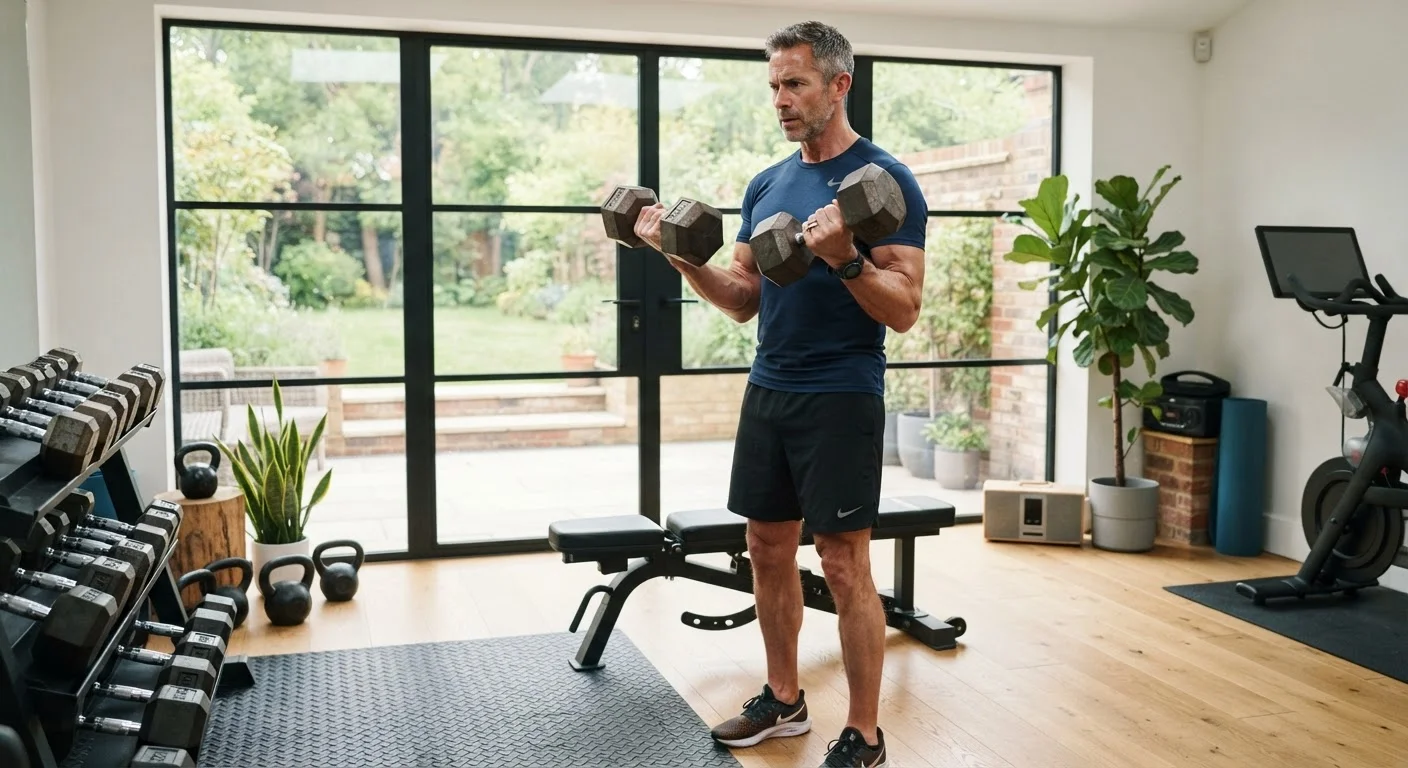
The most consistently supported intervention for men's physical vitality after 40 is structured resistance training. Multiple large-scale studies confirm that progressive overload — gradually increasing the challenge placed on muscles — stimulates muscle protein synthesis, preserves bone density, and improves insulin sensitivity.
For men in this age group, two to four sessions per week emphasizing compound movements (squats, deadlifts, rows, presses) appear to provide the strongest return. Adequate recovery between sessions matters more than it did at 25; programming rest accordingly is part of good training, not a weakness.
Don't judge a training session by how sore you are afterward. After 40, excessive soreness often signals inadequate recovery, not superior effort — and chronic under-recovery is one of the fastest routes to injury and burnout.
Post-exercise muscle damage accumulates more slowly and resolves more slowly in older muscle tissue, making strategic rest an active performance variable rather than a passive one.
Track your protein per meal, not just per day. Spreading 30–40g of high-quality protein across three to four meals appears to stimulate muscle protein synthesis more effectively than the same total consumed predominantly at dinner.
Research on anabolic sensitivity in older adults shows that muscle tissue responds more robustly to per-meal protein signals when intake is distributed throughout the day.
Cardiovascular fitness remains important for heart health and stamina, but research suggests it should complement — not replace — resistance work for men focused on maintaining physical capacity. Zone 2 cardio (moderate-intensity, sustained effort) is particularly well-studied for metabolic health and mitochondrial function.
Nutrition Strategies That Support Strength and Energy
Dietary patterns have an outsized influence on how men feel and function after 40. The evidence points to a few durable principles rather than any single superfood or protocol.
- Prioritize protein: Older muscle tissue is somewhat less responsive to protein signaling, meaning adequate daily protein intake becomes more — not less — important with age. Distributing protein across meals (rather than concentrating it in one) appears to optimize muscle protein synthesis.
- Emphasize whole foods: Anti-inflammatory dietary patterns — rich in vegetables, legumes, whole grains, oily fish, and healthy fats — are consistently linked to better energy, cardiovascular markers, and metabolic health in middle-aged men.
- Limit ultra-processed foods: High consumption of refined carbohydrates and processed foods is associated with energy crashes, insulin resistance, and systemic inflammation.
For a deeper dive into specific foods and nutritional patterns, explore the evidence on foods that support male energy.
Sleep, Stress, and the Hormonal Connection
Sleep and stress management are frequently underestimated contributors to physical vitality. The connection is physiological, not motivational: the majority of daily testosterone is released during sleep, and chronic sleep deprivation measurably suppresses anabolic hormone levels while elevating cortisol.
Research consistently shows that men sleeping fewer than six hours per night have significantly lower testosterone levels than those sleeping seven to nine hours. Improving sleep hygiene — consistent sleep-wake times, a cool and dark bedroom, limiting screens before bed — is among the highest-leverage interventions available without a prescription.
Chronic psychological stress operates through similar pathways. Elevated cortisol competes with testosterone production and drives visceral fat accumulation, which further disrupts hormonal balance. Evidence-based stress management tools including mindfulness, moderate aerobic activity, and social connection all show measurable benefit in clinical literature.
For a foundational overview of how sleep, nutrition, movement, and stress interact, our primer on natural energy for men is a useful starting point. If you are also exploring lifestyle-based hormonal support, what the evidence says about natural testosterone support covers the research honestly.
When to Talk to a Doctor
Lifestyle strategies are powerful, but they are not a substitute for medical evaluation when symptoms are significant or persistent. Fatigue, mood changes, loss of strength, or sexual health concerns that do not respond to improved habits deserve professional assessment.
A qualified clinician can evaluate whether symptoms reflect lifestyle factors, treatable hormonal conditions, thyroid dysfunction, sleep apnea, or other underlying causes — none of which should be self-diagnosed or self-treated. Blood work and a thorough history provide context that no article can replicate.
This content is general health information intended for educational purposes. It is not a substitute for personalized medical advice, diagnosis, or treatment. Always consult a licensed healthcare professional before making significant changes to your health regimen, particularly if you have existing medical conditions or take medications.
This article is for informational purposes only and does not constitute medical advice. Consult a qualified healthcare provider regarding any personal health concerns or before starting a new health program.