

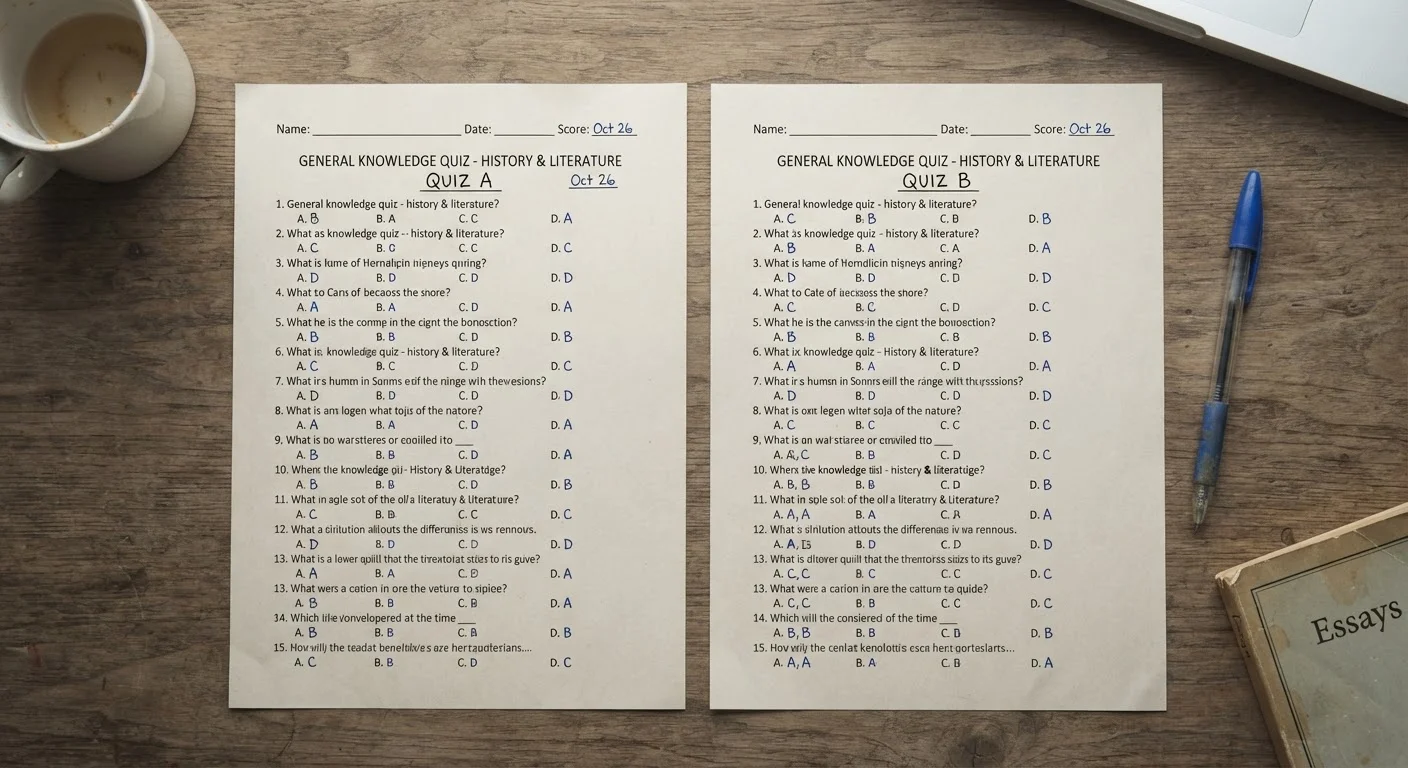
Key Takeaways
- Wellness is genuinely dynamic — mood, sleep, stress, and diet all shift your quiz answers legitimately.
- Some score changes reflect real health improvements or declines; others are noise from day-to-day variation.
- The framing effect means how you feel when you sit down to take a quiz influences every answer you give.
- Tracking scores over multiple sessions is far more informative than relying on a single result.
- Dramatic score swings in short periods often signal acute stressors rather than lasting health changes.
- Consistent gradual improvement across repeated assessments is the most reliable signal of genuine progress.
Quiz Score Variability
Quiz score variability refers to the natural fluctuation in results when a person completes the same wellness assessment at different points in time. These shifts happen because the questions ask how you feel, sleep, eat, or cope — all of which change with life circumstances. Variability is not a flaw in the tool; it reflects the reality that human health is dynamic, not fixed.
In psychometric research, this phenomenon is partially explained by 'state vs. trait' distinctions — some quiz items capture stable personality traits, while others capture transient emotional or physical states that shift with context.
Your Health Is a Moving Target — And That's Normal
Retaking a wellness quiz two weeks later and noticing a notably different score can feel disorienting. Did something go wrong? Did you miraculously improve? The more likely explanation is simpler: you are not the same person — physiologically or emotionally — that you were two weeks ago.
Wellness quizzes ask questions anchored in the present tense. How often do you feel energized? How well have you been sleeping? How much stress have you been carrying? Each answer is a snapshot of a system that is constantly in motion. Sleep quality fluctuates with schedules and seasons. Stress levels spike around deadlines and ease during quieter periods. Mood responds to social connection, sunlight, nutrition, and dozens of other inputs that no quiz can fully account for.
Understanding this variability is the first step toward using quiz results productively rather than reacting to them in isolation. For a broader look at what these tools are actually designed to measure, see what wellness quizzes actually measure.
30–40%
Day-to-day variability in self-rated wellbeing
Research in ecological momentary assessment studies suggests that subjective wellbeing can fluctuate by roughly 30–40% within individuals across short time periods, even without major life events.
3+
Assessment sessions needed to identify a trend
Behavioral health researchers generally recommend at least three repeated measurements before drawing conclusions about directional change in self-reported health outcomes.
Four Factors That Shift Your Answers Between Sessions
Several well-documented forces can move your responses from one sitting to the next — independently of any genuine change in your overall health.
1. Acute Stress or Relief
A high-stakes work period, a family conflict, or even a minor illness in the days before you take the quiz can compress your scores in the negative direction. Two weeks later, with that stressor resolved, the same questions feel answered differently. This is a legitimate state change, but it tells you more about a specific period than your baseline wellness.
2. Sleep Quality in the Days Prior
Research consistently links poor sleep to lower self-rated energy, mood, and cognitive function. If you completed the first quiz after several rough nights and the second after a restful week, the score difference may largely reflect sleep rather than anything else.
3. The Framing Effect
The emotional mindset you bring to a quiz shapes interpretation of every question. When you feel generally optimistic, you tend to rate ambiguous symptoms as minor. When you feel depleted, the same symptom reads as more significant. This cognitive bias — well documented in self-report research — is not dishonesty; it's a known limitation of self-assessment tools.
4. Increased Self-Awareness
Taking a quiz once often makes you more attentive to the behaviors it measures. Two weeks later, you may answer more accurately simply because you've been paying closer attention to your sleep, hydration, or stress management. This can register as either improvement or decline, depending on what you noticed.
Signal vs. Noise: Spotting Genuine Change
Not all score movement is meaningful, but some of it genuinely is. The challenge is distinguishing the signal from the noise.
A single data point — one quiz score — has limited diagnostic value. Two points give you a comparison but not a trend. Three or more scores taken at consistent intervals begin to reveal a pattern. If scores are gradually moving in one direction over several months and you can connect that movement to specific, sustained changes in behavior, that's a meaningful signal.
By contrast, a dramatic 20-point swing between two sessions taken two weeks apart is more likely to reflect acute circumstances — a stressful event, an illness, a vacation — than a fundamental shift in your health trajectory. Reading quiz results without overreacting offers practical guidance on keeping that perspective when a surprising score appears.
The most useful habit is to log not just your score but brief context notes: quality of sleep that week, any notable stressors, recent changes in exercise or diet. Over time, these annotations transform a series of numbers into a genuinely informative personal health record. Using periodic self-assessments to track lifestyle change explains how to build exactly that kind of system.
Keep a Brief Context Log with Each Quiz
When you complete a wellness quiz, jot down two or three sentences about your week — sleep quality, stress level, any notable events. Even a simple note in your phone turns a raw score into contextualized data. Over several sessions, these annotations make patterns far easier to interpret accurately.
Turning Variability Into Useful Self-Knowledge
Quiz variability stops being frustrating once you reframe what a quiz result actually is: not a verdict, but a data point. A single reading of your blood pressure doesn't define your cardiovascular health — context, timing, and trends matter. Wellness quiz scores work the same way.
When you notice a score has shifted, ask yourself three questions before drawing conclusions. What has changed in my life in the last two weeks? Was I in an unusually good or bad state when I answered? Does this score align with how I've generally been feeling, or does it feel like an outlier?
If you want to move beyond observation into action, turning a quiz score into a weekly habit plan provides a step-by-step framework for translating any score — consistent or variable — into small, sustainable behavior changes.
The goal of repeated self-assessment is not to achieve a stable score. Wellness is inherently dynamic, and a good tool reflects that. The goal is to understand your own patterns well enough that you can make informed decisions — and to recognize when a pattern warrants a conversation with a healthcare professional rather than just a quiz retake.
This article is for informational purposes only and is not a substitute for professional medical advice, diagnosis, or treatment. Always consult a qualified healthcare provider with questions about your health.