

Key Takeaways
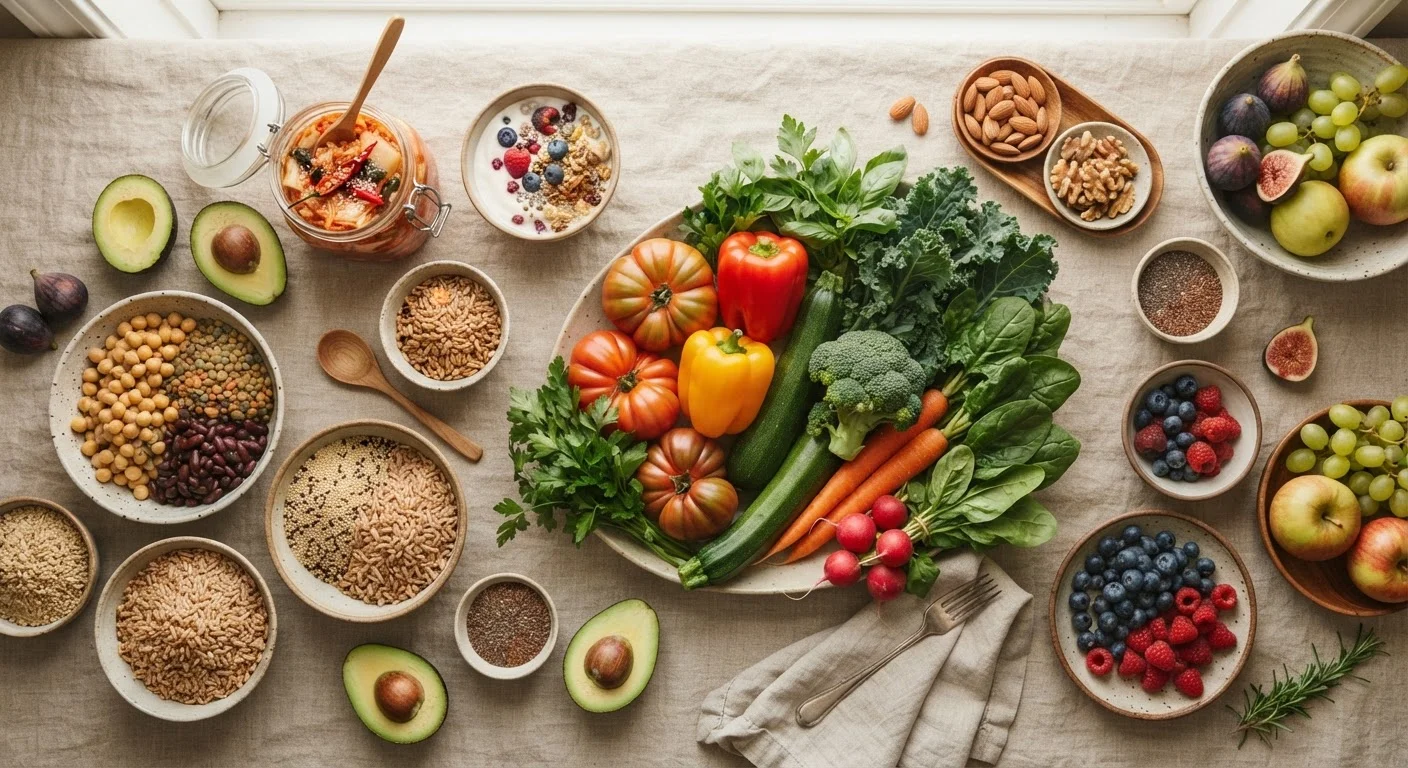
- Eating a wide variety of plant foods each week is strongly linked to a more diverse and resilient gut microbiome.
- Fermented foods such as yogurt, kefir, and kimchi introduce beneficial microbes and may reduce gut inflammation markers.
- Ultra-processed foods appear to disrupt microbial diversity and promote gut inflammation even in modest amounts.
- No single diet pattern holds a monopoly on gut health — consistent, long-term dietary habits matter more than any short-term protocol.
- Individual gut microbiome responses to diet vary significantly, meaning personal results from any approach will differ.
Why Diet Is Central to Gut Microbiome Health
The gut microbiome — the trillions of bacteria, fungi, and other microorganisms living in the digestive tract — plays a central role in immune function, metabolism, and even mental health. Research consistently shows that what you eat is one of the strongest modifiable drivers of microbiome composition and diversity. Unlike genetics, diet is something most people can meaningfully influence.
Studies comparing populations with markedly different diets have found that microbiome composition can begin shifting within days of a dietary change. That plasticity cuts both ways: diets rich in varied plant foods appear to support a broader, more resilient microbial community, while prolonged reliance on highly processed foods is associated with reduced diversity and increased markers of gut inflammation.
This article reviews the dietary approaches that microbiome research returns to repeatedly — not as prescriptions, but as evidence-informed frameworks worth understanding. For a broader overview of sustainable eating habits that support these patterns day-to-day, see our complete guide to sustainable daily nutrition.
Individual microbiome responses vary considerably
Even when two people follow identical diets, their gut microbiome responses can differ substantially based on pre-existing microbial composition, genetics, medications, and health status. This is sometimes called "personalised nutrition" — an active research area that cautions against assuming one dietary approach will produce identical results for everyone. The patterns described here represent population-level associations, not guaranteed individual outcomes.
Dietary Patterns With Consistent Research Support
High dietary fibre diversity, not just fibre quantity
Research — including the landmark American Gut Project — consistently associates greater plant diversity with greater microbiome diversity. The specific mechanism is substrate variety: different bacterial species ferment different types of fibre, so eating a wider range of plants feeds a wider range of microbes.
Aiming for 30 or more distinct plant foods per week (including vegetables, fruits, whole grains, legumes, nuts, seeds, and herbs) is a target that several large observational studies have highlighted as meaningful. Critically, this is about diversity rather than raw fibre grams alone — eating large amounts of a single fibre source provides a narrower range of substrates than eating moderate amounts of many sources.
Our field guide to dietary fibre types explains how soluble, insoluble, and resistant fibre each interact with the gut differently.
Diversity of plant foods matters as much as total fibre intake for microbiome health.
Regular consumption of fermented foods
A randomised controlled trial published in Cell (Sonnenburg lab, Stanford) found that a high-fermented-food diet over ten weeks increased microbiome diversity and decreased markers of immune activation in healthy adults — results that were not replicated by a high-fibre intervention alone in the same trial. Fermented foods studied included yogurt, kefir, fermented cottage cheese, kimchi, kombucha, and vegetable brine drinks.
The working hypothesis is dual: fermented foods introduce live microorganisms that interact with the existing microbial community, and the fermentation process itself produces short-chain fatty acids and other metabolites that benefit the gut environment. It is worth noting that not all fermented products contain live cultures by the time they reach consumers — heat-treated fermented foods like most commercial sauerkraut on shelves may not carry the same benefit as refrigerated, live-culture versions.
Fermented foods appear to increase microbiome diversity and reduce immune activation markers in clinical research.
Reducing ultra-processed food intake
Ultra-processed foods (UPFs) — defined broadly by the NOVA classification system as industrially manufactured products containing ingredients rarely used in home cooking, such as emulsifiers, modified starches, and artificial flavours — have been associated with reduced gut microbiome diversity in multiple observational studies. Some emulsifiers, including carboxymethylcellulose and polysorbate-80, have shown effects on gut mucus layers and microbial composition in preclinical research, though human evidence is still developing.
Large epidemiological datasets, including analyses from the UK Biobank, show consistent inverse associations between UPF consumption and gut microbiome diversity. Displacement is also a factor: diets high in UPFs tend to crowd out the whole plant foods that feed beneficial microbial populations.
Ultra-processed foods are consistently linked to reduced gut microbiome diversity across large population studies.
Mediterranean-style eating patterns
The Mediterranean dietary pattern — broadly characterised by high intake of vegetables, fruits, whole grains, legumes, olive oil, and fish, with limited red meat and processed foods — has one of the strongest evidence bases for gut health outcomes among named diet frameworks. Multiple European intervention trials have found Mediterranean-pattern eating associated with increased populations of beneficial short-chain fatty acid–producing bacteria such as Faecalibacterium prausnitzii and Roseburia species.
Its gut-health benefits likely stem from the convergence of several mechanisms covered elsewhere in this list: high plant diversity, regular omega-3 fatty acid intake from fish, polyphenol-rich foods like olive oil and berries, and low UPF consumption. No single component appears solely responsible. This pattern is also reviewed in the context of the full landscape of popular diet frameworks.
Mediterranean-style eating supports beneficial short-chain fatty acid–producing bacteria across multiple intervention trials.
Limiting red and processed meat
Higher intakes of red and particularly processed meat are associated in observational research with less favourable gut microbiome profiles — including reduced abundance of butyrate-producing bacteria and increased abundance of species associated with inflammation. Mechanistically, researchers point to haem iron, nitrate preservatives in processed meats, and the metabolic by-products of protein fermentation in the colon (including trimethylamine N-oxide, or TMAO precursors) as plausible contributors.
This does not mean eliminating meat is necessary for gut health. The evidence is primarily observational, and confounding lifestyle factors are difficult to fully control. What the research does support is that diets weighted heavily toward animal protein at the expense of plant diversity tend to produce less favourable microbiome profiles over time. Modest, occasional consumption in the context of an otherwise plant-rich diet appears less problematic than habitual high intake.
Diets heavy in red and processed meat consistently show less favourable microbiome profiles compared to plant-rich eating patterns.
How to Apply This Evidence Practically
The research does not point to a single "best" diet for gut health — it points to a cluster of dietary habits that individually and collectively support microbial diversity and intestinal integrity. Eating more varied plant foods, including fermented options, minimising ultra-processed food intake, and moderating red and processed meat consumption are patterns that appear across multiple high-quality studies and population datasets.
Rather than overhauling your entire diet at once, a more sustainable approach is incremental: adding a new vegetable or legume each week, swapping one ultra-processed snack for a whole-food alternative, or incorporating a small serving of fermented food daily. These are the kinds of changes that accumulate into lasting shifts in microbiome composition. Before committing to a more structured dietary framework, it is worth reading how to evaluate a new dietary approach for a practical evidence-quality checklist.
This article provides general nutritional information for educational purposes and is not a substitute for personalised medical or dietetic advice. If you have specific digestive health concerns or a chronic condition, consult a qualified healthcare professional before making significant dietary changes.
Start with plant variety before eliminating foods
Rather than focusing first on what to remove from your diet, research suggests that adding diverse plant foods delivers measurable microbiome benefits relatively quickly. Try tracking how many distinct plant foods you eat in a week — most people are surprised to find the number is well under 15. Gradually expanding that variety is a low-risk starting point that complements any further dietary adjustments.