

Key Takeaways
- Cortisol is a necessary hormone, but chronically elevated levels can suppress testosterone production.
- Both hormones compete for the same biochemical building blocks in the adrenal pathway.
- Common symptoms of this imbalance — fatigue, low libido, mood shifts — overlap with many conditions, so self-diagnosis is unreliable.
- Lifestyle factors like sleep quality, exercise type, and stress management directly influence both hormone levels.
- A healthcare provider can run bloodwork to assess hormone levels before drawing any conclusions.
Cortisol-Testosterone Antagonism
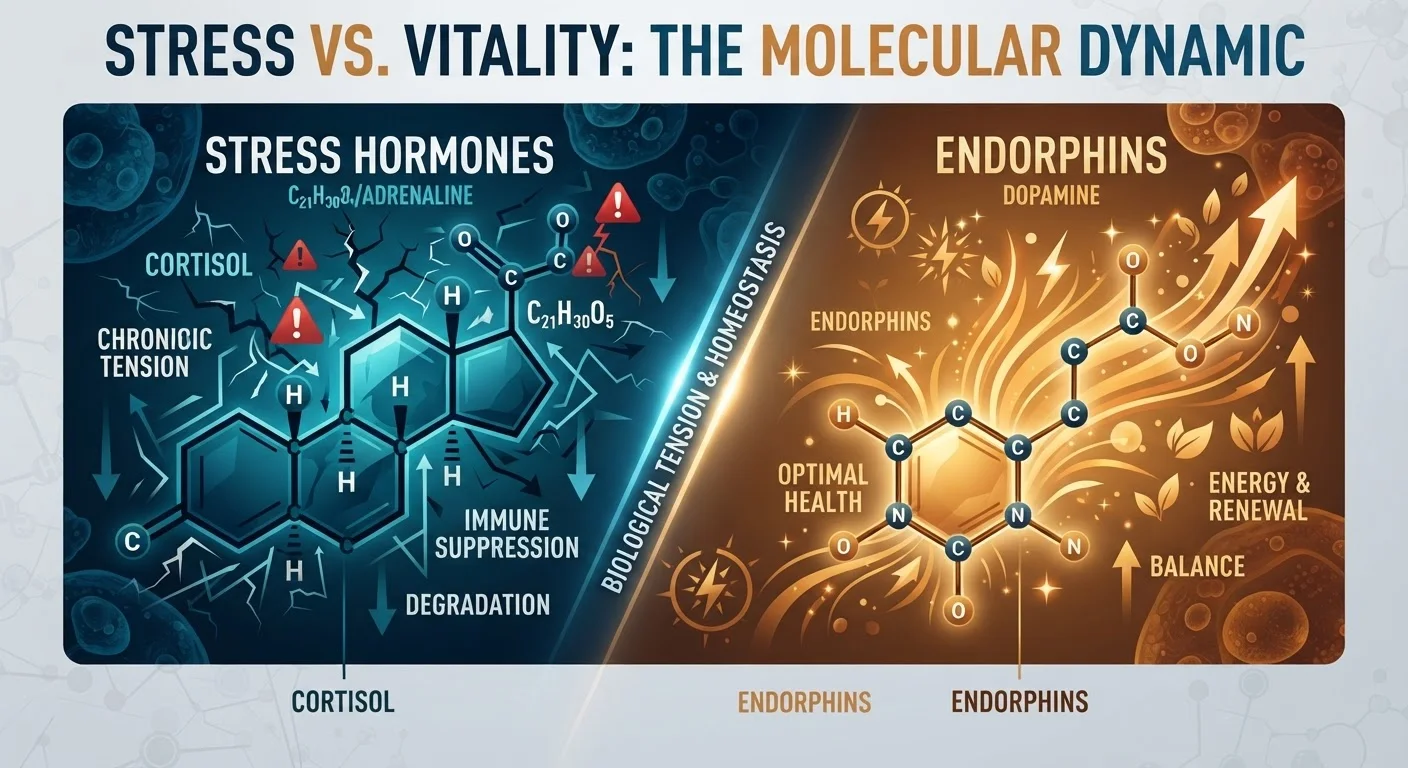
When stress levels remain elevated for prolonged periods, the body produces excess cortisol — the primary stress hormone — which can interfere with testosterone production. This relationship is sometimes called hormonal antagonism because high cortisol signals the body to prioritize survival functions over reproductive and anabolic ones, effectively putting testosterone on the back burner.
Cortisol and testosterone share a precursor molecule called pregnenolone. Under sustained demand, the body preferentially converts pregnenolone into cortisol via a pathway sometimes described as 'pregnenolone steal,' though this remains an area of active research rather than fully settled science.
How the Stress Response Competes With Testosterone
Cortisol earns its reputation as the "stress hormone" for good reason. When your brain perceives a threat — whether it's a looming deadline or a near-miss on the highway — the hypothalamic-pituitary-adrenal (HPA) axis activates and your adrenal glands flood the bloodstream with cortisol. This is adaptive: it sharpens focus, mobilizes energy, and suppresses non-essential functions.
The problem is that modern stressors are rarely resolved quickly. When the HPA axis stays activated for weeks or months, cortisol levels remain persistently elevated. At that point, the body's hormonal priorities shift in ways that directly affect testosterone. For a deeper look at exactly what unfolds physiologically during the stress response, see the male stress response explained.
The suppression works through multiple pathways. High cortisol can reduce the pulsatile release of gonadotropin-releasing hormone (GnRH) from the hypothalamus, which in turn lowers luteinizing hormone (LH) — the signal that tells the testes to produce testosterone. Cortisol may also act directly on testicular Leydig cells, reducing their testosterone output. The result is a measurable, if gradual, decline in circulating testosterone under chronic stress conditions.
~15–20%
Testosterone reduction linked to sleep restriction
A study published in the Journal of the American Medical Association found that men who slept five hours per night for one week showed significantly reduced daytime testosterone levels compared to their fully rested baseline.
2–3x
Higher cortisol in men with chronic work stress
Research on occupational stress has found cortisol levels in men experiencing sustained job strain can be two to three times higher than those in low-stress conditions, with corresponding downstream hormonal effects.
~1% per year
Average testosterone decline after age 30
According to established endocrinology literature, testosterone levels in men decline at roughly 1% per year after age 30 — a natural process that chronic stress may accelerate.
What This Looks Like in Real Life
The symptoms of elevated cortisol and suppressed testosterone often overlap so thoroughly that distinguishing them without bloodwork is difficult. Men commonly report fatigue that isn't relieved by sleep, reduced interest in sex, difficulty maintaining or building muscle, increased body fat (particularly around the abdomen), and mood changes including irritability or low motivation.
None of these symptoms are exclusive to hormonal imbalance — they're shared by thyroid disorders, sleep apnea, depression, nutritional deficiencies, and more. That's precisely why this article is educational context rather than a diagnostic checklist. If these symptoms sound familiar, a conversation with your doctor and a hormone panel is the right move, not self-assessment.
It's also worth noting that the relationship isn't simply one-directional. Low testosterone itself can affect stress resilience and mood, potentially making it harder to manage stress effectively — a feedback loop that underscores why addressing both sides matters.
Lifestyle Levers That Influence Both Hormones
The encouraging part of this picture is that the same lifestyle changes that reduce chronic cortisol also tend to support healthier testosterone levels. Sleep is arguably the most powerful lever: the majority of daily testosterone production occurs during sleep, and research consistently links short sleep duration and poor sleep quality to lower testosterone. Prioritizing seven to nine hours of quality sleep is one of the most evidence-backed steps a man can take.
Exercise matters too, but the details matter. Resistance training and cardio affect testosterone and cortisol differently — in general, moderate strength training tends to support testosterone, while very high volumes of endurance exercise can chronically elevate cortisol if recovery is inadequate. For a broader examination of how sustained stress degrades physical performance over time, this piece on cortisol and physical vitality provides useful context.
Nutrition, social connection, and deliberate stress-reduction practices — whether that's mindfulness, time in nature, or simply adequate leisure — all have documented effects on the HPA axis. None of these are magic solutions, but together they represent a meaningful toolkit for supporting hormonal balance without medication.
Start With Sleep Before Anything Else
If you're concerned about stress affecting your hormones, sleep quality is the highest-yield starting point. Testosterone is primarily released during sleep, and even short-term sleep restriction measurably reduces levels. Before adjusting diet, training, or supplements, focus on getting consistent, quality sleep — then discuss other factors with your doctor.
This article is for informational purposes only and is not a substitute for professional medical advice, diagnosis, or treatment. Always consult a qualified healthcare provider with questions about your health or hormonal status.